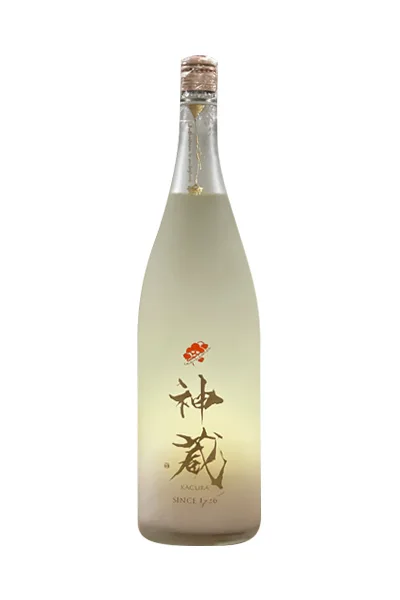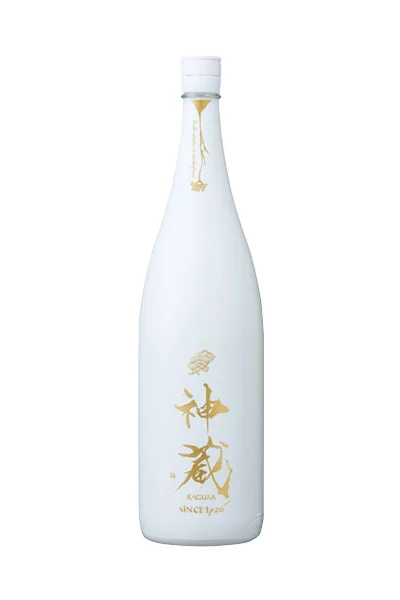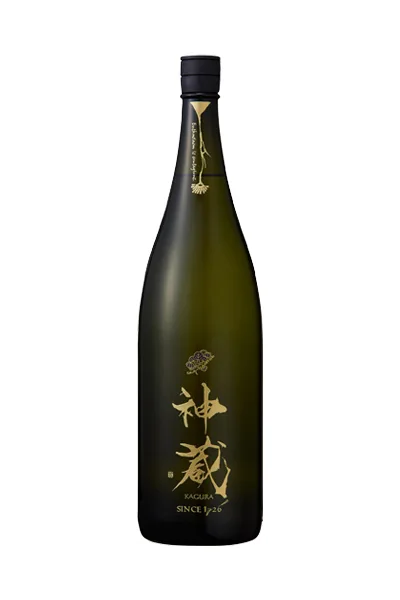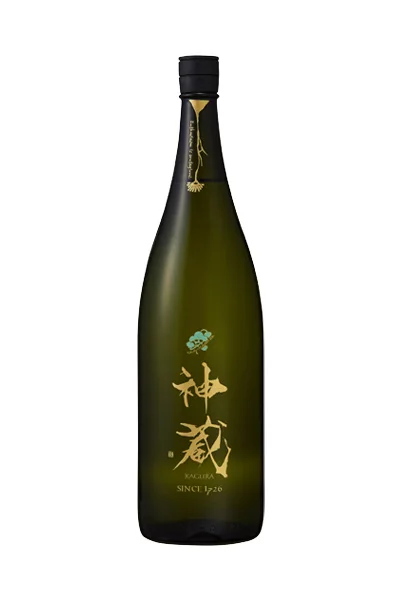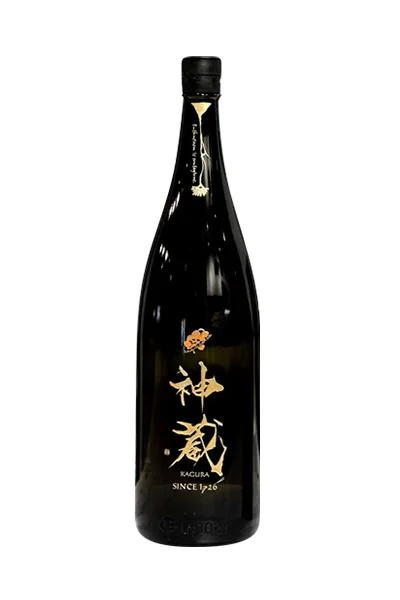
Junmai Daiginjo Kagura Assemblage Nama (Limited Betsu-atsurae)
純米大吟醸 神蔵KAGURA アッサンブラージュ 生酒(限定特別誂)Junmai daiginjo, Yamada Nishiki rice polished to 50%, unpasteurized (nama), limited edition, specially selected batch
Kagura — Matsui Shuzo, Kyoto
Everything blends and melds together, rising to a new height.
Specifications
- Type
- Junmai Daiginjo
- Rice
- Yamada Nishiki
- Rice polishing ratio
- 50%50% of each grain polished away
- Yeast
- Not disclosed
- Alcohol
- 15%
How to read these
- Type
- The grade printed on the label. It depends on the ingredients (rice only, or with a little distilled alcohol) and on how far the rice is polished. More
- Rice
- The rice variety. Most premium sake uses varieties grown for brewing, such as Yamada Nishiki. More
- Rice polishing ratio
- How much of each grain is left after polishing. A lower number means more was milled away, which usually gives a lighter, more aromatic sake. More
- Yeast
- The yeast strain, which shapes the aroma. More
- Alcohol
- Alcohol by volume. Most sake is 15–16%; undiluted (genshu) sake is often 17–18%. More
Flavor profile Full & complex
Full & complex — aromatic and full-bodied, including aged sake. Known in Japan as juku-shu (熟酒).
The junmai daiginjo nama designation and the description of fruity, floral aroma with aged notes and koku point to a high-aroma, rich, aged-leaning juku style. The soft, gentle texture suggests moderate sweetness.
Estimated by AI from the published specifications and the brewery's description; your impression may differ.
About
Both components were selected from only the nakadori (middle-cut) portion, which is considered to have the best sake quality: a Kagura stored for a long time in Hyoon Chozo (sub-zero storage), and a Kagura pressed just this month. The sake used was Yamada Nishiki polished to 35% and Aiyama polished to 50%, both junmai daiginjo. The Yamada Nishiki Kagura, slowly aged in a sub-freezing environment, has developed a settled aroma and a rich flavor over time, while also having a sense of clarity. It was in a very good state of maturation. By contrast, the Aiyama Kagura is refreshing, as if fruit had been firmly squeezed, and it is a rich sake. When these two are combined and blended, the aroma and flavor gain further depth. The blend ratio is not disclosed, but this is the best state after tasting many, many times. It has a striking impression yet is soft and gentle, with a refreshing, fruit-like aroma, and beneath it a glimpse of aged aroma peeks through. The world of assemblage (blending) is profound and interesting. We hope you enjoy it. No filtration is performed at all, so the lively energy of the living yeast comes straight through to the palate.
Other sake from this brand 15
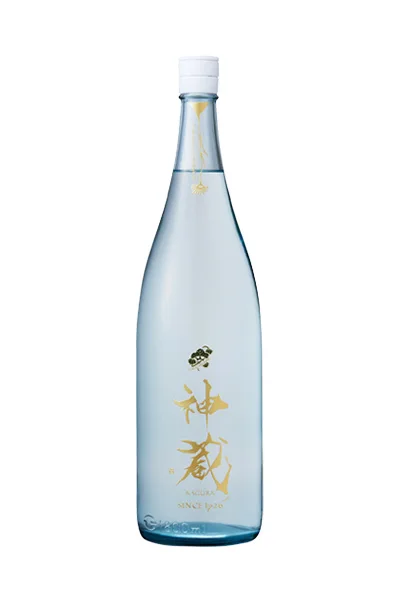
- Junmai Kagura Namazake (Clear)純米 神蔵KAGURA 生酒(クリア)
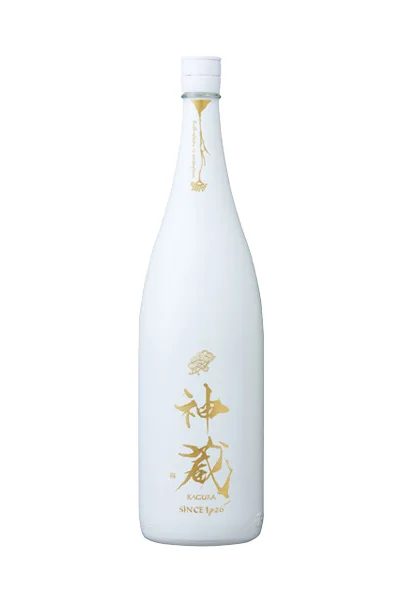
- Junmai Daiginjo Kagura Namazake (White)純米大吟醸 神蔵KAGURA 生酒(白)
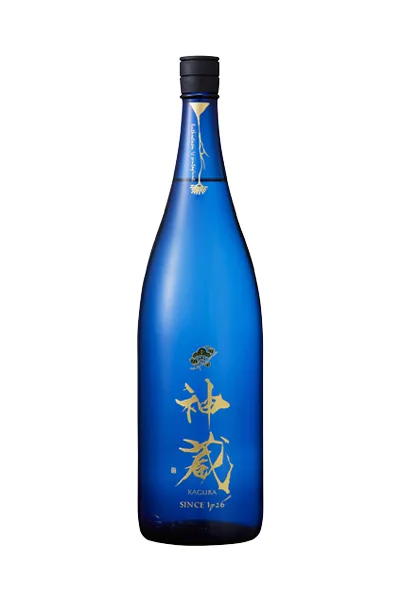
- Kagura Junmai Nama (Ruri)純米 神蔵KAGURA 生酒(ルリ)
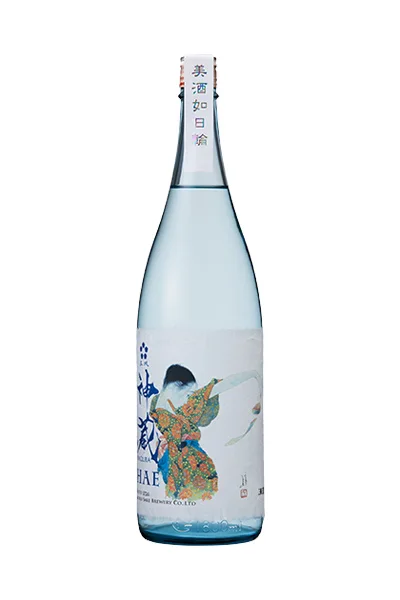
- Kagura Minamikaze HAE Namazake (Summer Limited)神蔵 南風HAE 生酒(夏季限定)
- Kagura Nigori Hisoka Namazake神蔵KAGURA にごり酒 ひそか 生酒
- Kagura Junmai Daiginjo Hitotsubi (Shiro)純米大吟醸 神蔵KAGURA 一火(白)
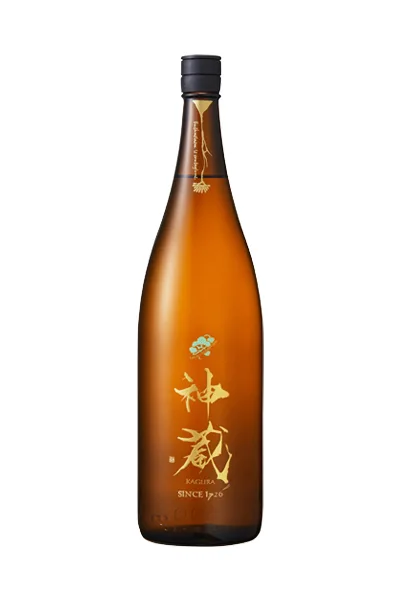
- Kagura Junmai Daiginjo Nama (Black)純米大吟醸 神蔵KAGURA 生酒(黒)
- Kagura Junmai Daiginjo Hitotsubi (Kuro)純米大吟醸 神蔵KAGURA 一火(黒)
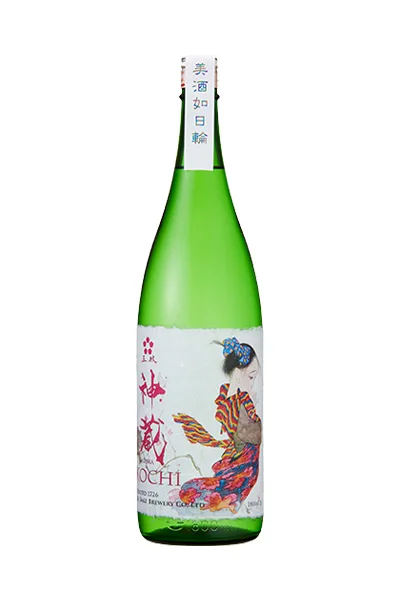
- Kagura Kochi (Spring Limited)神蔵 東風KOCHI(春季限定)
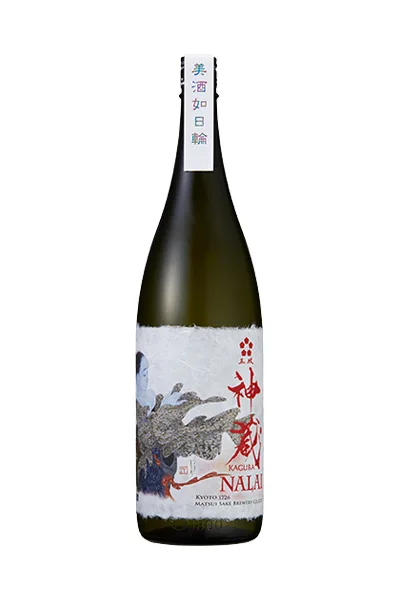
- Kagura Nishikaze NALAI Namazake (Autumn Limited)神蔵 西風NALAI 生酒(秋季限定)
- Junmai Daiginjo Kagura Kyo no Hikaru Namazake純米大吟醸 神蔵KAGURA 京の輝き 生酒
- Junmai Kagura Yamadaho Nama純米 神蔵KAGURA 山田穂 生酒