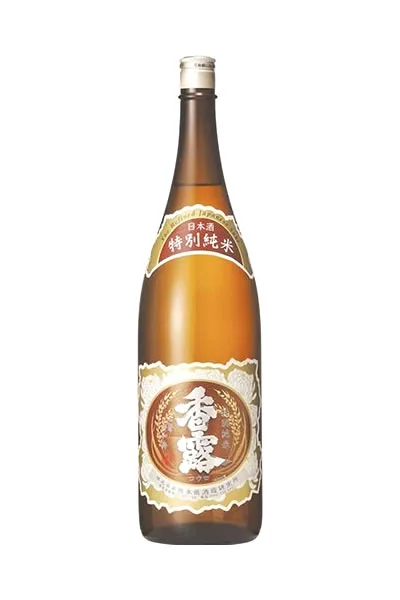
Koro Tokubetsu Junmai
香露 特別純米酒Tokubetsu junmai, Yamada Nishiki rice polished to 58%
Koro — Kumamoto-ken Shuzo Kenkyusho, Kumamoto
Rich, full-bodied sake with savory depth from Kumamoto yeast, known as the yeast of aroma
Specifications
- Type
- Tokubetsu Junmai
- Rice
- Yamada Nishiki
- Rice polishing ratio
- 58%42% of each grain polished away
- Yeast
- Not disclosed
- Alcohol
- 15–16%
- Sake meter value
- -2slightly sweet
- Acidity
- 1.6
How to read these
- Type
- The grade printed on the label. It depends on the ingredients (rice only, or with a little distilled alcohol) and on how far the rice is polished. More
- Rice
- The rice variety. Most premium sake uses varieties grown for brewing, such as Yamada Nishiki. More
- Rice polishing ratio
- How much of each grain is left after polishing. A lower number means more was milled away, which usually gives a lighter, more aromatic sake. More
- Yeast
- The yeast strain, which shapes the aroma. More
- Alcohol
- Alcohol by volume. Most sake is 15–16%; undiluted (genshu) sake is often 17–18%. More
- Sake meter value
- A sweet-to-dry scale. Plus is drier, minus is sweeter. Acidity changes how it tastes, so treat it as a rough guide. More
- Acidity
- Total acid. Higher tends to taste fuller and drier; lower tastes lighter and sweeter. More
Flavor profile Rich & umami
Rich & umami — rice-driven umami and a fuller body. Known in Japan as jun-shu (醇酒).
The SMV of -2 and the described 芳醇な旨口 (rich, umami-forward) style point to a gently sweet, full-bodied profile driven by the Kumamoto yeast's deep flavor. The faint fruity note keeps aroma restrained, placing it in the jun quadrant.
Estimated by AI from the published specifications and the brewery's description; your impression may differ.
About
Based on the belief that brewing sake without machines reveals the essence of sake making, this sake comes from a Kumamoto brewery that carefully preserves traditional techniques and the value of handcrafted work. The deep flavor produced by Kumamoto yeast comes with a pleasant acidity and a subtle fruity aroma. When warmed, the range of flavors expands and the finish becomes richer. As a junmai sake that pairs well with Japanese cuisine, it can be enjoyed with a wide variety of dishes.
Other sake from this brand 7
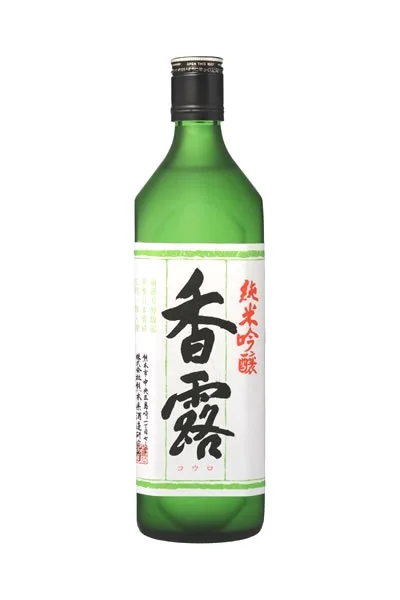
- Koro Junmai Ginjo香露 純米吟醸
- Koro Kumamoto no Sake香露 くまもとの酒
- Koro Reishu香露 冷酒
- Koro Josen Honjozo香露 上撰 本醸造
- Koro Ginjo香露 吟醸
- Koro Daiginjo香露 大吟醸
- Koro Tokusen Honjozo香露 特撰 本醸造