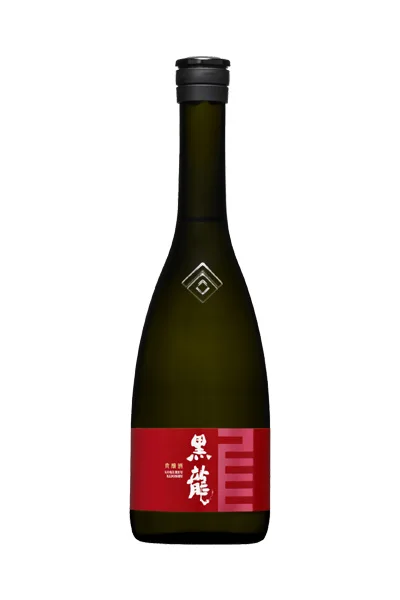
Kokuryu Kijoshu
黒龍 貴醸酒Kijoshu (brewed with sake in place of some water), Gohyakumangoku rice polished to 55%
Kokuryu — Kokuryu Shuzo, Fukui
A luxuriously brewed kijoshu made with Kokuryu Junmai Ginjo, finished light and easy to drink.
Specifications
- Type
- Kijoshu
- Rice
- Gohyakumangoku
- Rice polishing ratio
- 55%45% of each grain polished away
- Yeast
- Not disclosed
- Alcohol
- 12%
- Sake meter value
- -35very sweet
How to read these
- Type
- The grade printed on the label. It depends on the ingredients (rice only, or with a little distilled alcohol) and on how far the rice is polished. More
- Rice
- The rice variety. Most premium sake uses varieties grown for brewing, such as Yamada Nishiki. More
- Rice polishing ratio
- How much of each grain is left after polishing. A lower number means more was milled away, which usually gives a lighter, more aromatic sake. More
- Yeast
- The yeast strain, which shapes the aroma. More
- Alcohol
- Alcohol by volume. Most sake is 15–16%; undiluted (genshu) sake is often 17–18%. More
- Sake meter value
- A sweet-to-dry scale. Plus is drier, minus is sweeter. Acidity changes how it tastes, so treat it as a rough guide. More
Flavor profile Aromatic & light
Aromatic & light — fruity, floral aroma with a light body. Known in Japan as kun-shu (薫酒).
The tasting notes describe ripe fruit and white floral aromas, and an SMV of -35 with a sweet, honeyed palate points to strong sweetness. The 12% alcohol and the brewery's 'light' finish keep the body slightly below center, placing it in the kun quadrant.
Estimated by AI from the published specifications and the brewery's description; your impression may differ.
About
A rich, new-style flavor with sweet-tart notes, like ripe fruit. Tasting notes The liquid shimmers with a green hue as it catches the light on its gently rippling surface. Swirling the glass releases an aroma that draws you in. Juicy fruit notes reminiscent of Japanese pear, lychee and white peach harmonize with ripe fruit notes resembling coconut milk, giving a gentle impression. A sweet aroma of wasanbon (fine Japanese sugar), along with white floral notes such as honeysuckle and a faint champignon mushroom aroma, becomes more pronounced in the latter part. The palate is soft, delicate and fresh. Smooth, elegant sweetness is balanced by an equally smooth acidity, adding a refreshing impression. It harmonizes with an exceptionally pleasant sweetness. It is like sipping white peach soup, with a luscious, sweet impression. Food pairings In Japanese cuisine, it pairs with ankimo (monkfish liver). With yakitori, white liver (shirorebā) is ideal, though regular chicken liver with tare sauce also works. In Western cuisine, try pumpkin soup or gorgonzola gnocchi.
Other sake from this brand 18
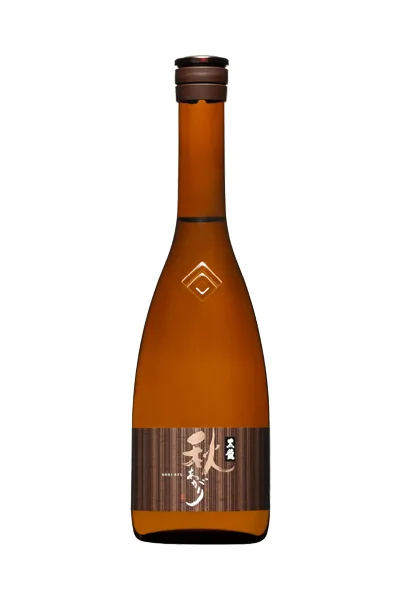
- Kokuryu Akiagari黒龍 秋あがり
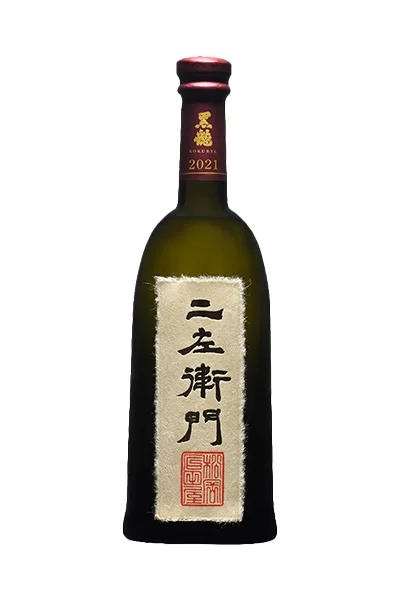
- Kokuryu Nizaemon黒龍 二左衛門
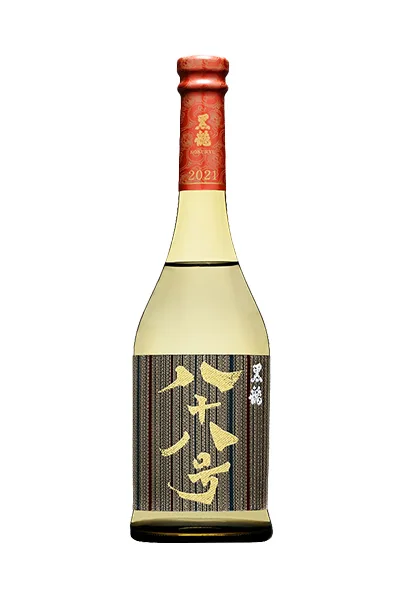
- Kokuryu Daiginjo Hachijuhachi Go黒龍 大吟醸 八十八号
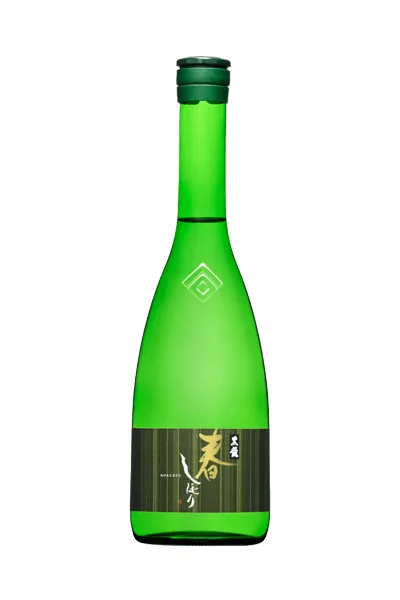
- Kokuryu Haru Shibori黒龍 春しぼり
- Kokuryu Junmai Daiginjo Hi Ira Kotobuki黒龍 純米大吟醸 火いら寿
- Kokuryu Daiginjo黒龍 大吟醸
- Kokuryu Daiginjo Ryu黒龍 大吟醸 龍
- Kokuryu Shizuku黒龍 しずく
- Kokuryu Jungin Tareguchi Usunigori Namazake黒龍 純吟垂れ⼝ うすにごり⽣酒
- Kokuryu Ishidaya黒龍 石田屋
- Kokuryu Gin no Tobira黒龍 吟のとびら
- Kokuryu Ginjo Icchorai黒龍 吟醸 いっちょらい