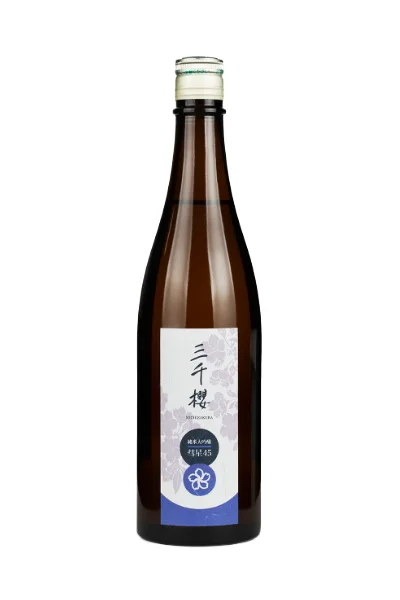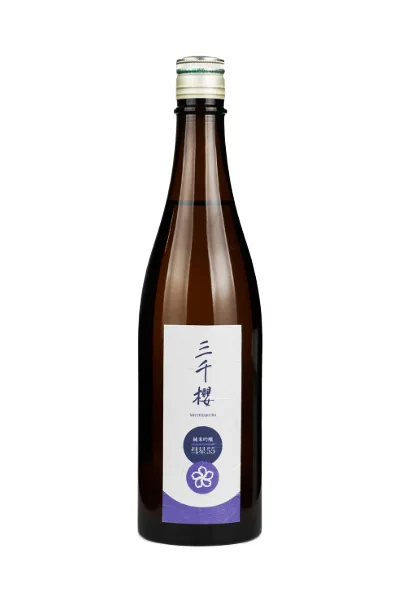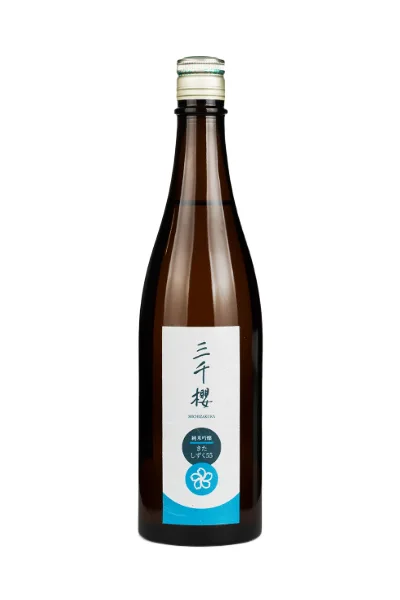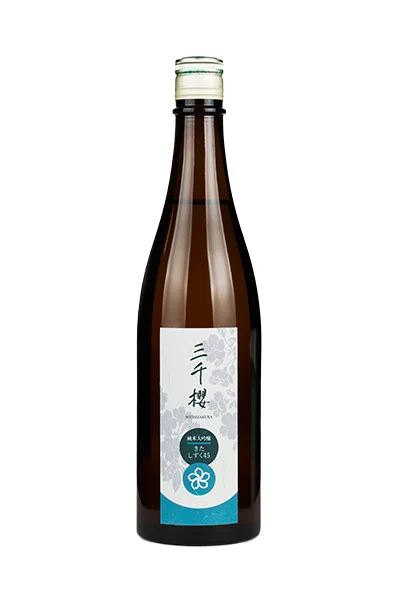
Michizakura Kitashizuku Junmai Daiginjo
三千櫻 きたしずく 純米大吟醸Junmai daiginjo, Kitashizuku rice polished to 45%
Michizakura — Michizakura Shuzo, Hokkaido
Grown in Nakatsugawa before, this rice now shows two sides in Higashikawa Town's rich natural setting: gentle sweetness, a refreshing finish, and a full, clean depth.
Specifications
- Type
- Junmai Daiginjo
- Rice
- Kitashizuku
- Rice polishing ratio
- 45%55% of each grain polished away
- Yeast
- Not disclosed
- Alcohol
- 16–17%
How to read these
- Type
- The grade printed on the label. It depends on the ingredients (rice only, or with a little distilled alcohol) and on how far the rice is polished. More
- Rice
- The rice variety. Most premium sake uses varieties grown for brewing, such as Yamada Nishiki. More
- Rice polishing ratio
- How much of each grain is left after polishing. A lower number means more was milled away, which usually gives a lighter, more aromatic sake. More
- Yeast
- The yeast strain, which shapes the aroma. More
- Alcohol
- Alcohol by volume. Most sake is 15–16%; undiluted (genshu) sake is often 17–18%. More
Flavor profile Aromatic & light
RestrainedAromatic
RichLight
Aromatic & light — fruity, floral aroma with a light body. Known in Japan as kun-shu (薫酒).
Polished to 45% as a junmai daiginjo, this sake suggests an aromatic lift. The gentle sweetness, refreshing finish and sharp kire point to a light-to-medium body with a soft sweet impression.
Estimated by AI from the published specifications and the brewery's description; your impression may differ.
About
Kitashizuku is another sake rice that volunteers from JA Higashikawa tried for the first time.
Other sake from this brand 9
- Michizakura Suisei Junmai Daiginjo三千櫻 彗星 純米大吟醸
- Michizakura Junmai Suisei Junmai Ginjo三千櫻 純米 彗星 純米吟醸
- Michizakura Junmai R CLASS三千櫻 純米 R CLASS
- Kitashizuku Junmai Ginjoきたしずく 純米吟醸
- Michizakura R CLASS Futsushu三千櫻 R CLASS 普通酒
- Michizakura Aiyama Junmai Daiginjo三千櫻 愛山 純米大吟醸
- Michizakura Junmai Aiyama三千櫻 純米 愛山
- Michizakura Junmai Gohyakumangoku Nigori三千櫻 純米 五百万石 にごり
- Michizakura Junmai Gohyakumangoku Fukurotsuri Nama Genshu三千櫻 純米 五百万石 袋吊 生原酒