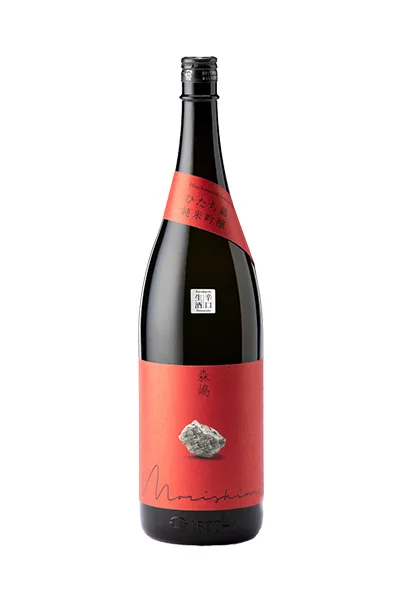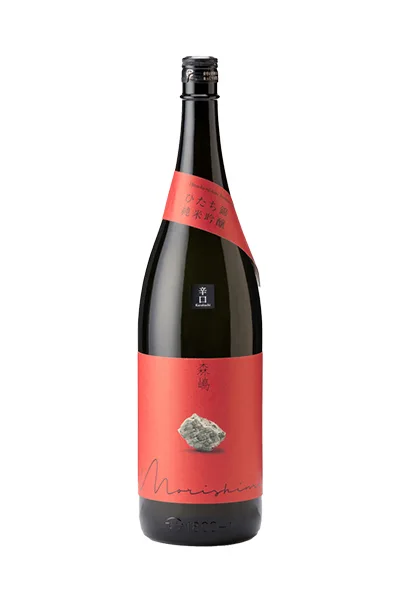
Morishima Hitachi Nishiki Dry Junmai Ginjo Bottle Pasteurization
森嶋 ひたち錦 辛口 純米吟醸 瓶燗火入Junmai ginjo, Hitachi Nishiki rice polished to 55%, dry, pasteurized once
Morishima — Morishima Shuzo, Ibaraki
Grown and developed locally in Ibaraki, Hitachi Nishiki sake rice gives this sake a calm aroma and a dry finish. It is more than simply dry, expressing the clarity and sleekness that are the strengths of this rice.
Specifications
- Type
- Junmai Ginjo
- Rice
- Hitachi Nishiki
- Rice polishing ratio
- 55%45% of each grain polished away
- Yeast
- Not disclosed
- Alcohol
- 15%
- Sake meter value
- +6very dry
- Acidity
- 1.7
How to read these
- Type
- The grade printed on the label. It depends on the ingredients (rice only, or with a little distilled alcohol) and on how far the rice is polished. More
- Rice
- The rice variety. Most premium sake uses varieties grown for brewing, such as Yamada Nishiki. More
- Rice polishing ratio
- How much of each grain is left after polishing. A lower number means more was milled away, which usually gives a lighter, more aromatic sake. More
- Yeast
- The yeast strain, which shapes the aroma. More
- Alcohol
- Alcohol by volume. Most sake is 15–16%; undiluted (genshu) sake is often 17–18%. More
- Sake meter value
- A sweet-to-dry scale. Plus is drier, minus is sweeter. Acidity changes how it tastes, so treat it as a rough guide. More
- Acidity
- Total acid. Higher tends to taste fuller and drier; lower tastes lighter and sweeter. More
Flavor profile Clean & dry
Clean & dry — restrained aroma, crisp and refreshing. Known in Japan as so-shu (爽酒).
The SMV of +6, acidity of 1.7, and the described calm aroma with a dry finish point to a restrained, crisp profile. The undiluted 15% alcohol adds some body, while the aroma stays subdued.
Estimated by AI from the published specifications and the brewery's description; your impression may differ.
About
This is a flavor well suited to the hot season. It pairs well with fresh seafood, of course, but its dry character also holds up to meat dishes such as roast beef and to oily dishes such as happoisai (a Japanese-style stir-fry of mixed vegetables) and agedashi tofu (deep-fried tofu in dashi broth). Serve chilled or at room temperature. 15% ABV Genshu (undiluted). Slight effervescence when first opened.
Other sake from this brand 8
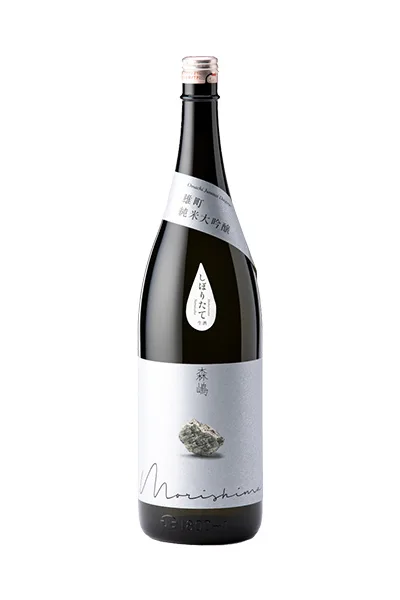
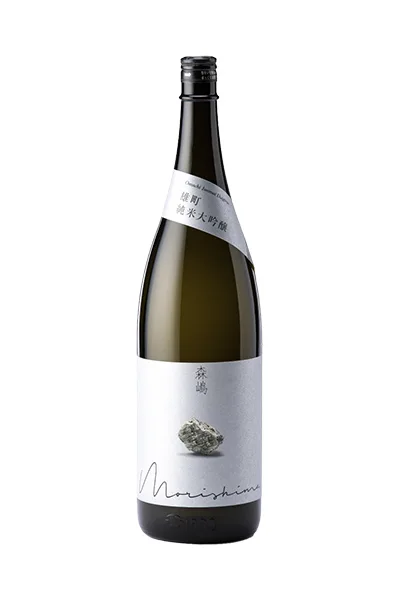
- Morishima Omachi Junmai Daiginjo Shiboritate Nama森嶋 雄町 純米大吟醸 しぼりたて生
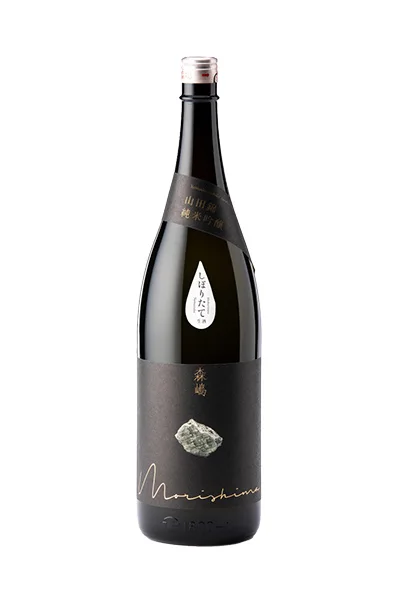
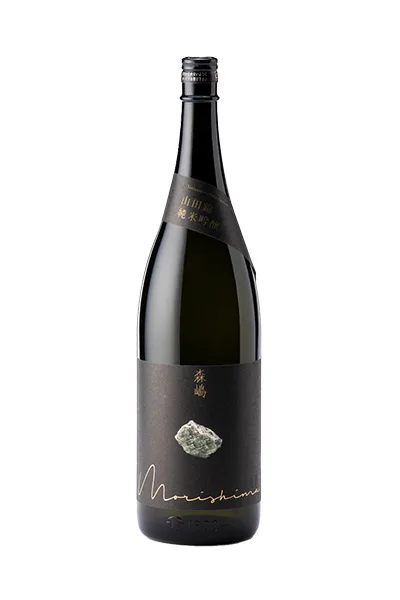
- Morishima Yamada Nishiki Junmai Ginjo Shiboritate Nama森嶋 山田錦 純米吟醸 しぼりたて生
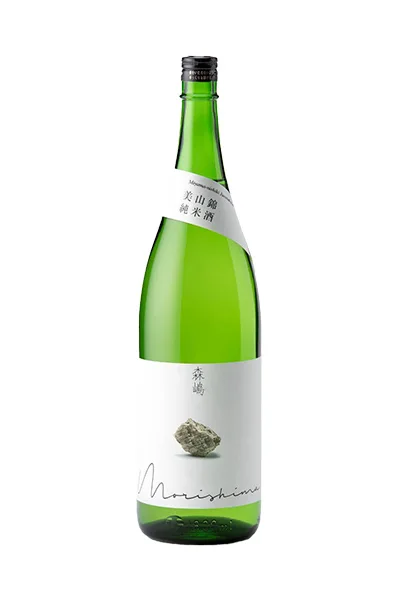
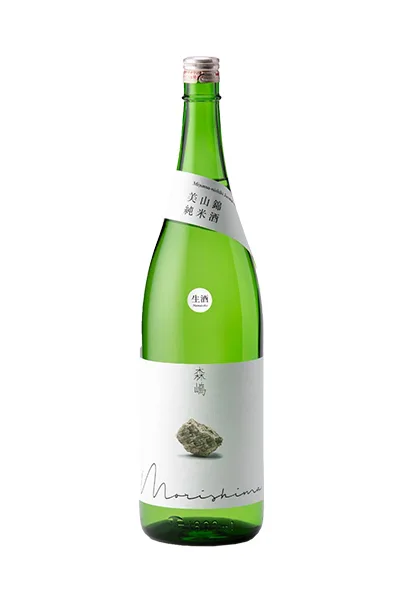
- Morishima Miyama Nishiki Junmai sake bottle pasteurization森嶋 美山錦 純米酒 瓶燗火入
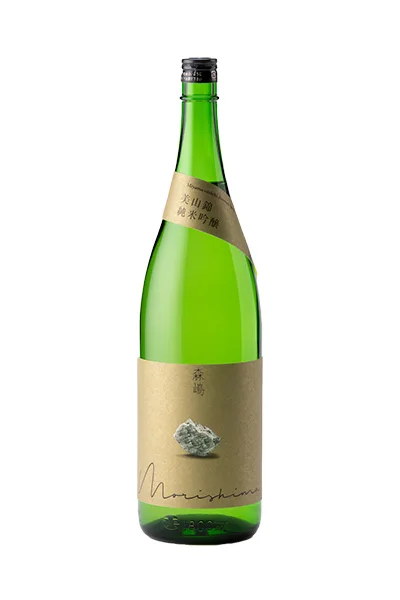
- Morishima Miyama Nishiki Junmai Ginjo bottle pasteurization森嶋 美山錦 純米吟醸 瓶燗火入
- Morishima Omachi Junmai Daiginjo bottle pasteurization森嶋 雄町 純米大吟醸 瓶燗火入
- Morishima Yamada Nishiki Junmai Ginjo bottle pasteurization森嶋 山田錦 純米吟醸 瓶燗火入
- Morishima Miyama Nishiki Junmai Namazake森嶋 美山錦 純米酒 生酒
- Morishima Hitachi Nishiki Dry Junmai Ginjo Namazake森嶋 ひたち錦 辛口 純米吟醸 生酒