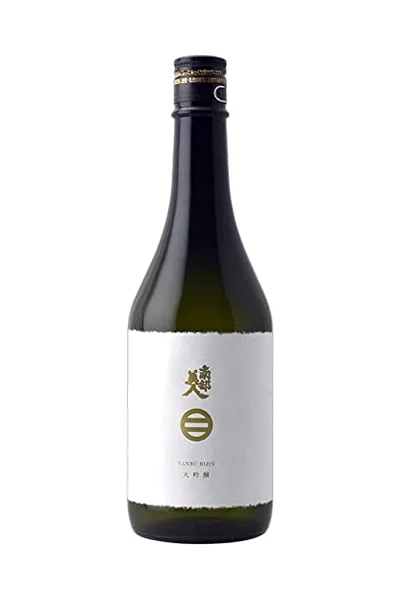
Nanbu Bijin Daiginjo
南部美人 大吟醸Junmai daiginjo, Yamada Nishiki rice polished to 40%
Nanbu Bijin — Nanbu Bijin, Iwate
A Tanrei daiginjo brewed with a master brewer's refined skill
Specifications
- Type
- Daiginjo
- Rice
- Yamada Nishiki
- Rice polishing ratio
- 40%60% of each grain polished away
- Yeast
- Giovanni no Shirabe
- Alcohol
- 16%
- Sake meter value
- +5dry
- Acidity
- 1.3
How to read these
- Type
- The grade printed on the label. It depends on the ingredients (rice only, or with a little distilled alcohol) and on how far the rice is polished. More
- Rice
- The rice variety. Most premium sake uses varieties grown for brewing, such as Yamada Nishiki. More
- Rice polishing ratio
- How much of each grain is left after polishing. A lower number means more was milled away, which usually gives a lighter, more aromatic sake. More
- Yeast
- The yeast strain, which shapes the aroma. More
- Alcohol
- Alcohol by volume. Most sake is 15–16%; undiluted (genshu) sake is often 17–18%. More
- Sake meter value
- A sweet-to-dry scale. Plus is drier, minus is sweeter. Acidity changes how it tastes, so treat it as a rough guide. More
- Acidity
- Total acid. Higher tends to taste fuller and drier; lower tastes lighter and sweeter. More
Flavor profile Aromatic & light
Aromatic & light — fruity, floral aroma with a light body. Known in Japan as kun-shu (薫酒).
Polished to 40% with Yamada Nishiki, this daiginjo's floral aroma is pronounced, as the description notes. SMV +5 with low acidity of 1.3 gives a dry-leaning but soft, lightly sweet, clean-bodied impression.
Estimated by AI from the published specifications and the brewery's description; your impression may differ.
About
Nanbu Bijin Daiginjo is a special sake brewed from Yamada Nishiki and Gin Otome, a specially cultivated rice grown in Ninohe, Iwate Prefecture. The rice is polished to less than half of its original size, using only the "tokutou" (premium portion) of the grain. Its bright aroma and clear, refined character are balanced by a lingering sweetness and umami, making it a well-rounded Tanrei daiginjo. It is currently served at leading restaurants in New York. At The Fine SAKE Award, Japan 2018, Nanbu Bijin Daiginjo was honored with the top gold prize, "Saikou Kinshou" (Best Gold).
Other sake from this brand 23
- Nanbu Bijin Junmai Ginjo Aiyama南部美人 純米吟醸 愛山
- Nanbu Bijin Honjozo Namachozo南部美人 本醸造 生貯蔵酒
- Nanbu Bijin Junmai Ginjo Shinpaku Yamada Nishiki南部美人 純米吟醸 心白 山田錦
- Nanbu Bijin Junmai Ginjo Gin Ginga南部美人 純米吟醸 吟ぎんが
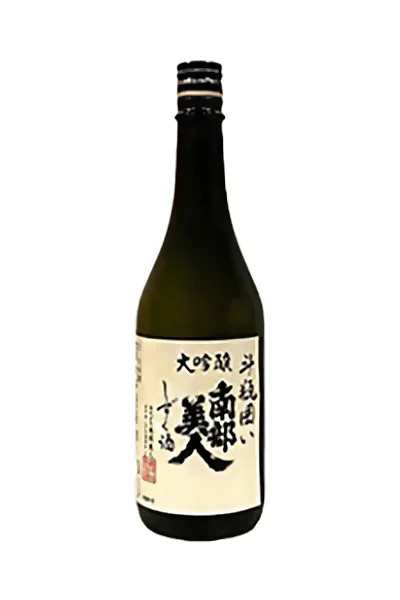
- Nanbu Bijin Daiginjo Tobin Gakoi南部美人 大吟醸 斗瓶囲い
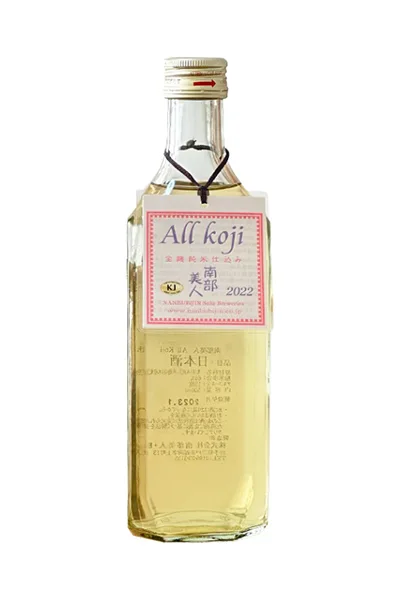
- Nanbu Bijin All Koji南部美人 All Koji
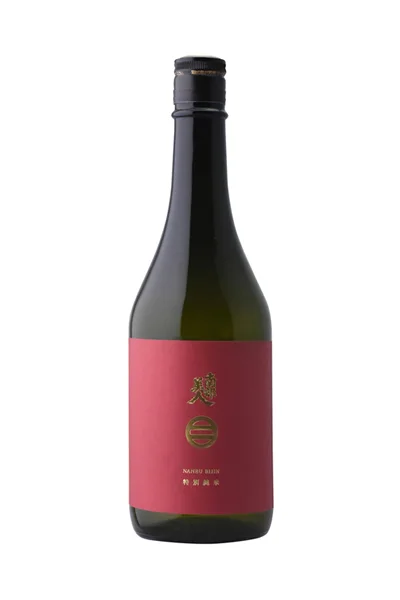
- Nanbu Bijin Tokubetsu Junmai南部美人 特別純米酒
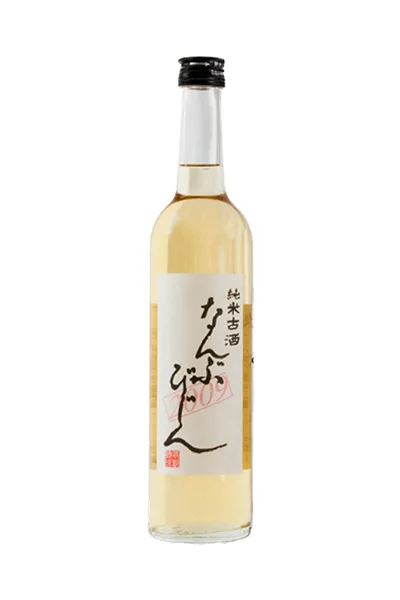
- Nanbu Bijin Junmai Koshu南部美人 純米古酒
- Nanbu Bijin Josen南部美人 上撰
- Nanbu Bijin Junmai Daiginjo Shinpaku Yamada Nishiki南部美人 純米大吟醸 心白 山田錦
- Nanbu Bijin Yui no Ka南部美人 結の香
- Nanbu Bijin Junmai sake Omachi南部美人 純米酒 雄町