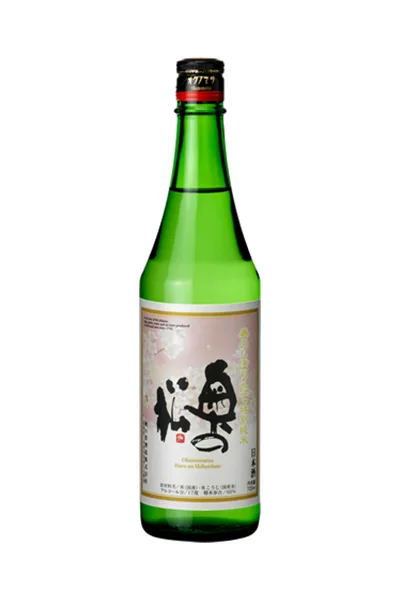
Okunomatsu Haru no Shiboritate
奥の松 春のしぼりたてTokubetsu junmai, rice polished to 60%, freshly pressed new sake, spring release
Okunomatsu — Oku no Matsu Shuzo, Fukushima
A sake of good fortune to welcome spring.
Specifications
- Type
- Tokubetsu Junmai
- Rice
- Not disclosed
- Rice polishing ratio
- 60%40% of each grain polished away
- Yeast
- Not disclosed
- Alcohol
- 17%
- Sake meter value
- +1medium
- Acidity
- 1.6
How to read these
- Type
- The grade printed on the label. It depends on the ingredients (rice only, or with a little distilled alcohol) and on how far the rice is polished. More
- Rice
- The rice variety. Most premium sake uses varieties grown for brewing, such as Yamada Nishiki. More
- Rice polishing ratio
- How much of each grain is left after polishing. A lower number means more was milled away, which usually gives a lighter, more aromatic sake. More
- Yeast
- The yeast strain, which shapes the aroma. More
- Alcohol
- Alcohol by volume. Most sake is 15–16%; undiluted (genshu) sake is often 17–18%. More
- Sake meter value
- A sweet-to-dry scale. Plus is drier, minus is sweeter. Acidity changes how it tastes, so treat it as a rough guide. More
- Acidity
- Total acid. Higher tends to taste fuller and drier; lower tastes lighter and sweeter. More
Flavor profile Rich & umami
RestrainedAromatic
RichLight
Rich & umami — rice-driven umami and a fuller body. Known in Japan as jun-shu (醇酒).
The special junmai designation, 60% polishing and 17% alcohol point to a restrained, rice-led aroma with a fairly full body. SMV +1 and acidity 1.6 place sweetness in the middle range.
Estimated by AI from the published specifications and the brewery's description; your impression may differ.
About
Brewed in the coldest season of the year, from Daikan (the period of greatest cold in winter) to Risshun (the first day of spring).
Other sake from this brand 29
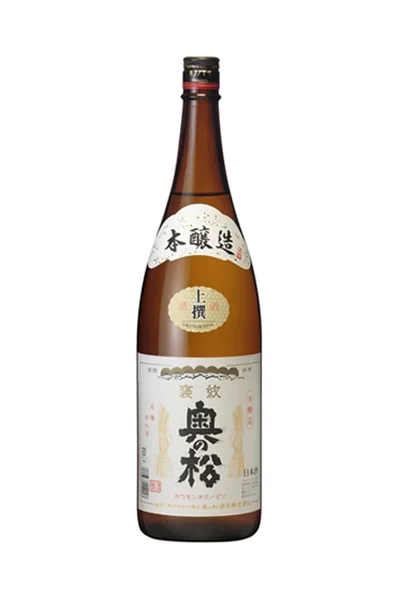
- Okunomatsu Honjozo Josen奥の松 本醸造 上撰
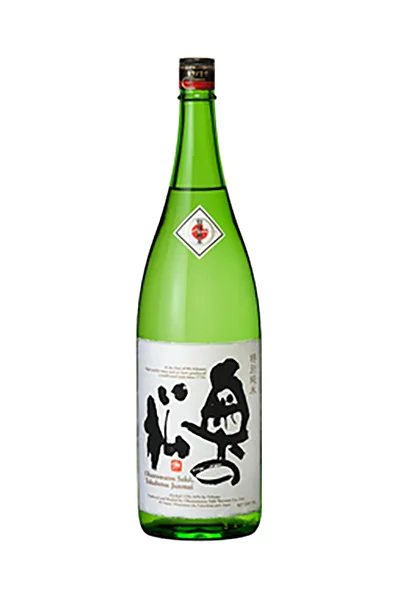
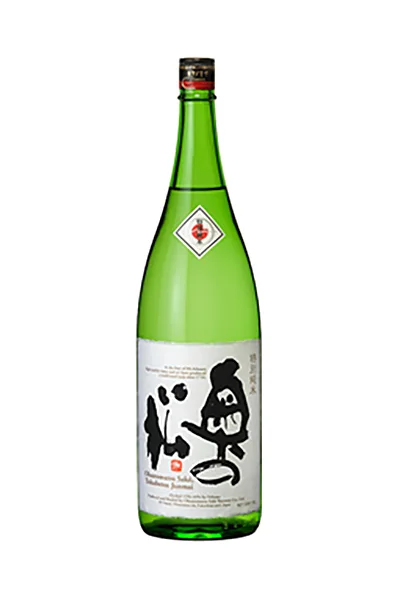
- Okunomatsu Tokubetsu Junmai奥の松 特別純米
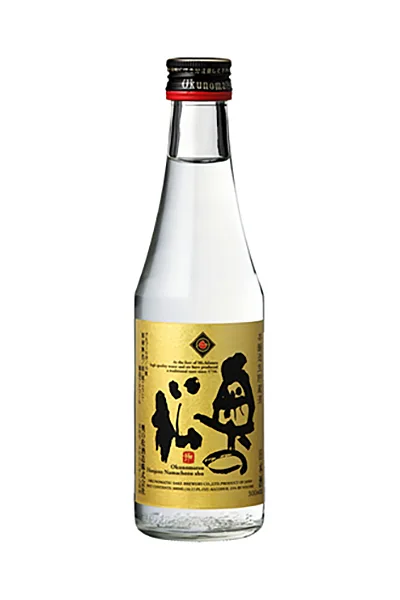
- Okunomatsu Honjozo Namachozo奥の松 本醸造 生貯蔵酒
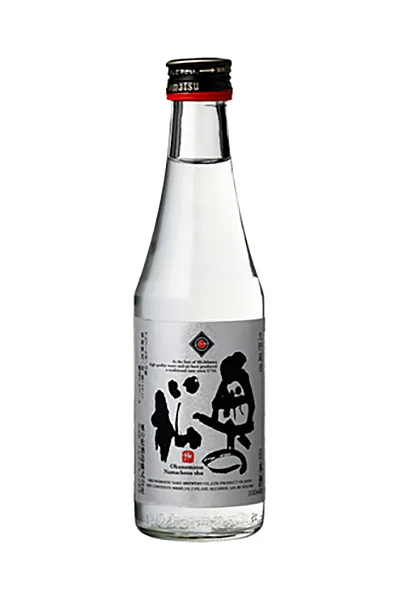
- Okunomatsu Namachozo奥の松 生貯蔵酒
- Okunomatsu Tokubetsu Junmai Namachozo奥の松 特別純米 生貯蔵酒
- Okunomatsu Adatara Ginjo奥の松 あだたら吟醸
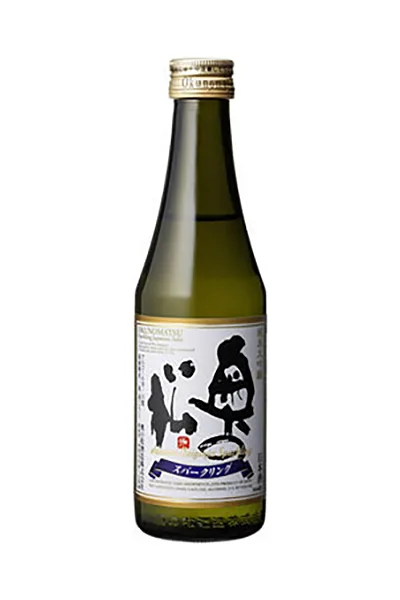
- Okunomatsu Junmai Daiginjo Sparkling奥の松 純米大吟醸 スパークリング
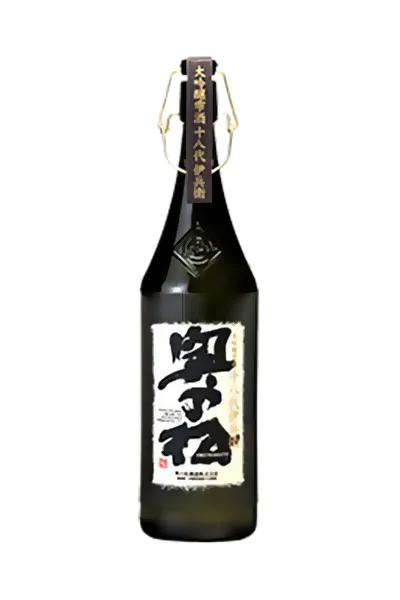
- Okunomatsu Daiginjo Shizuku-zake Juhachidai Ihei奥の松 大吟醸雫酒 十八代伊兵衛
- Okunomatsu Junmai Daiginjo Premium Sparkling奥の松 純米大吟醸 プレミアム スパークリング
- Okunomatsu Junmai Ginjo奥の松 純米吟醸
- Okunomatsu Junmai Daiginjo奥の松 純米大吟醸
- Okunomatsu Tokubetsu Junmai Genshu Hiyaoroshi奥の松 特別純米 原酒 ひやおろし