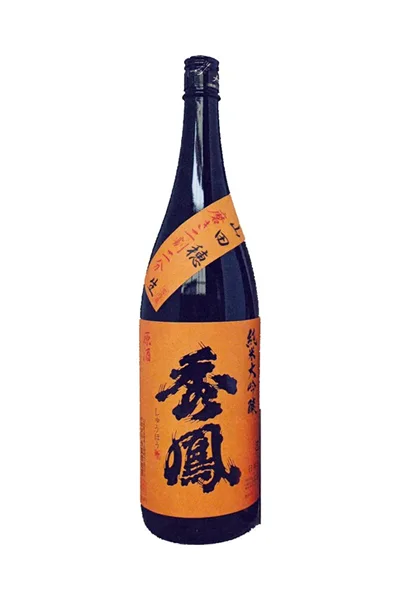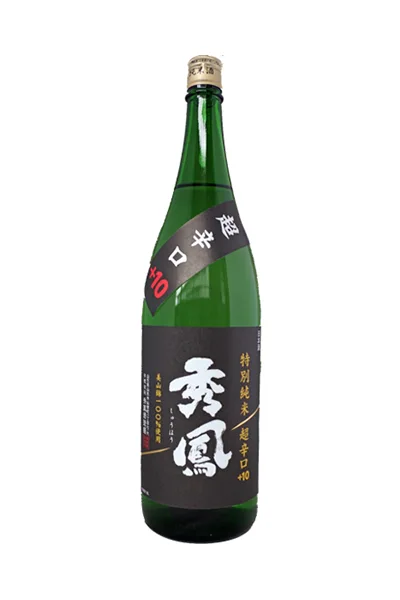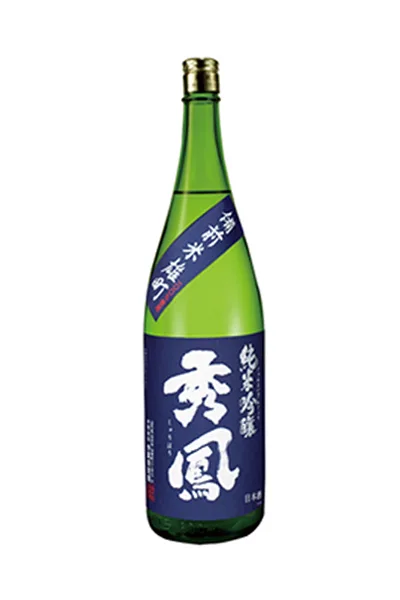
Shuho Junmai Ginjo Omachi Nama Genshu
秀鳳 純米吟醸 雄町 生原酒Junmai ginjo, Omachi rice polished to 50%, unpasteurized (nama), undiluted (genshu)
Shuho — Shuho Sake Brewery, Yamagata
A junmai ginjo that draws out the rich flavor and aroma of Omachi rice
Specifications
- Type
- Junmai Ginjo
- Rice
- Omachi
- Rice polishing ratio
- 50%50% of each grain polished away
- Yeast
- M310
- Alcohol
- 17–18%
- Sake meter value
- +3slightly dry
- Acidity
- 1.5
How to read these
- Type
- The grade printed on the label. It depends on the ingredients (rice only, or with a little distilled alcohol) and on how far the rice is polished. More
- Rice
- The rice variety. Most premium sake uses varieties grown for brewing, such as Yamada Nishiki. More
- Rice polishing ratio
- How much of each grain is left after polishing. A lower number means more was milled away, which usually gives a lighter, more aromatic sake. More
- Yeast
- The yeast strain, which shapes the aroma. More
- Alcohol
- Alcohol by volume. Most sake is 15–16%; undiluted (genshu) sake is often 17–18%. More
- Sake meter value
- A sweet-to-dry scale. Plus is drier, minus is sweeter. Acidity changes how it tastes, so treat it as a rough guide. More
- Acidity
- Total acid. Higher tends to taste fuller and drier; lower tastes lighter and sweeter. More
Flavor profile Full & complex
Full & complex — aromatic and full-bodied, including aged sake. Known in Japan as juku-shu (熟酒).
The 50% polished junmai ginjo is described as having a clear, rich aroma and a full flavor, and the genshu nama at 17-18% adds body and density. An SMV of +3 with acidity of 1.5 points to a slightly dry, balanced sweetness.
Estimated by AI from the published specifications and the brewery's description; your impression may differ.
About
This junmai ginjo is made with Omachi, a popular sake rice known as Japan's oldest. It combines the distinctive flavor of junmai sake, in which the life of each individual grain of rice comes through, with the transparent, rich aroma characteristic of ginjo sake. It is a sake that could be called a work of art. Awarded the Excellence Prize (yutosho) in the ginjo category at the 4th Omachi Summit Judging Competition in 2012 (Heisei 24).
Other sake from this brand 8
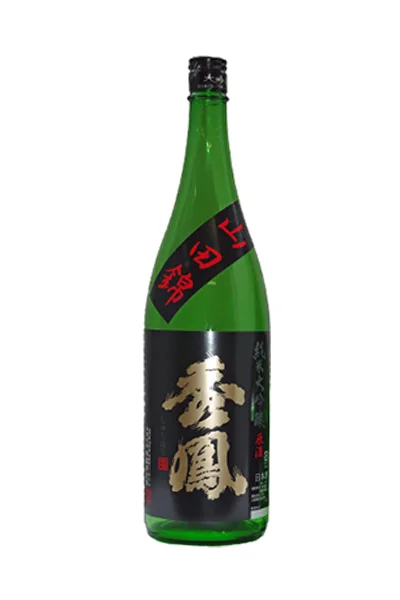
- Shuho Junmai Daiginjo Yamada Nishiki Nama Genshu秀鳳 純米大吟醸 山田錦 生原酒
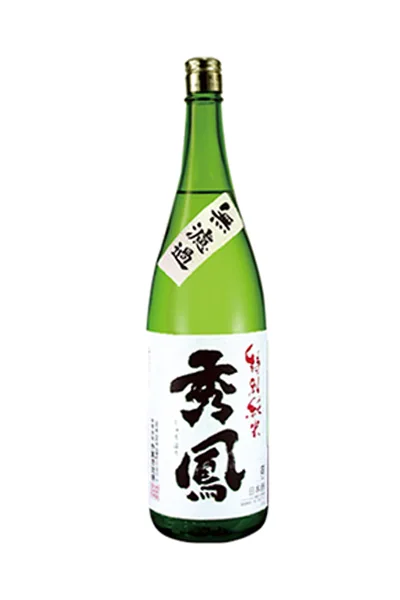
- Shuho Tokubetsu Junmai Miyama Nishiki Muroka Nama Genshu秀鳳 特別純米 美山錦 無濾過 生原酒
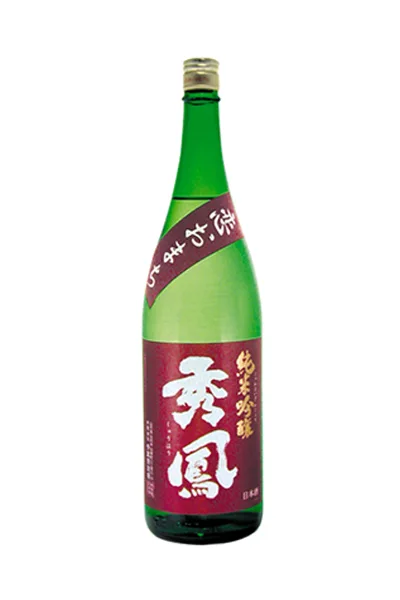
- Shuho Junmai Ginjo Koiomachi Fukurodori Shizuku-zake秀鳳 純米吟醸 恋おまち 袋取り しずく酒
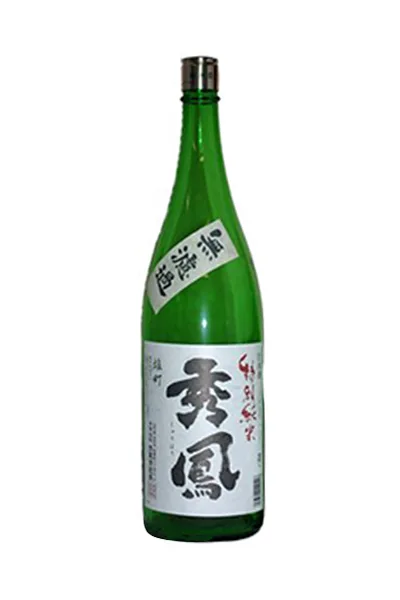
- Shuho Tokubetsu Junmai Omachi Muroka Nama Genshu秀鳳 特別純米 雄町 無濾過 生原酒
- Shuho Junmai Daiginjo Yamadaho 22秀鳳 純米大吟醸 山田穂22
- Shuho Tokubetsu Junmai Cho-karakuchi秀鳳 特別純米 超辛口
- Shuho Daiginjo Fukurodori Shizuku-zake Yamada Nishiki秀鳳 大吟醸 袋取り しずく酒 山田錦
- Shuho Junmai Ginjo Dewa Sansan Nama Genshu秀鳳 純米吟醸 出羽燦々 生原酒