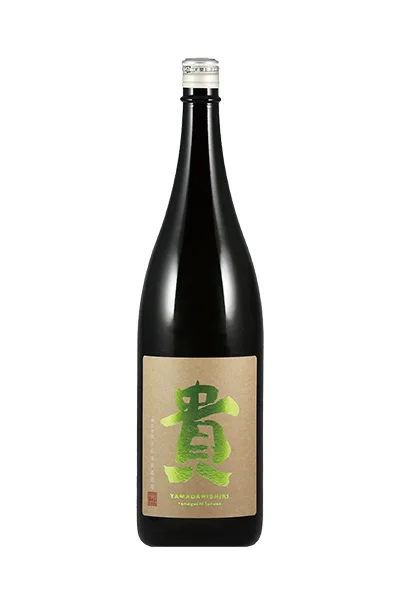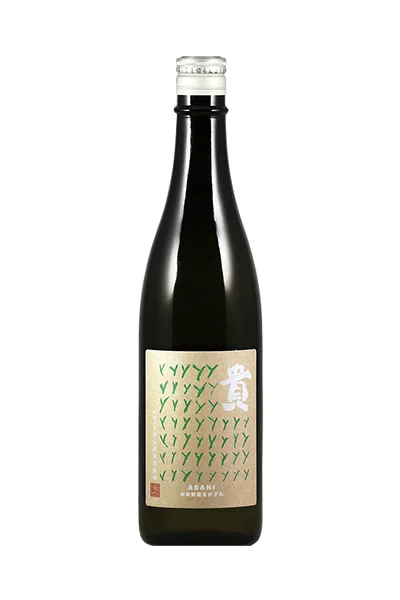
Taka Junmai Kimoto Nakazawa Asahi
貴 純米 生酛 中澤朝日Junmai, rice polished to 80%, kimoto starter
Taka — Nagayama Honke Shuzojo, Yamaguchi
Gentle flavors from pesticide-free Asahi rice
Specifications
- Type
- Junmai Shu
- Rice
- Not disclosed
- Rice polishing ratio
- 80%20% of each grain polished away
- Yeast
- Not disclosed
- Alcohol
- 14%
How to read these
- Type
- The grade printed on the label. It depends on the ingredients (rice only, or with a little distilled alcohol) and on how far the rice is polished. More
- Rice
- The rice variety. Most premium sake uses varieties grown for brewing, such as Yamada Nishiki. More
- Rice polishing ratio
- How much of each grain is left after polishing. A lower number means more was milled away, which usually gives a lighter, more aromatic sake. More
- Yeast
- The yeast strain, which shapes the aroma. More
- Alcohol
- Alcohol by volume. Most sake is 15–16%; undiluted (genshu) sake is often 17–18%. More
Flavor profile Rich & umami
Rich & umami — rice-driven umami and a fuller body. Known in Japan as jun-shu (醇酒).
The 80% polished junmai kimoto is described as showing yogurt-like lactic character rather than fruity fragrance, so aroma is restrained while the kimoto style adds umami and body. The gentle sweetness is noted in the text, placing it in the jun quadrant.
Estimated by AI from the published specifications and the brewery's description; your impression may differ.
About
This junmai sake is made with 100% Asahi rice grown by Mr. and Mrs. Nakazawa, who practice pesticide-free cultivation in the Sayama district of Yamaguchi City. The Sayama district, where the rice is grown, lies near the Seto Inland Sea. When I talk with Mr. Nakazawa, I get the feeling that I am speaking with a producer of natural-style wines in France. Brown rice is ideally the best way to eat rice, but Mr. Nakazawa taught us a method called bubuki (分搗き, lightly milling the surface of the grain before eating), which lets us take in the vitamins in the rice while making it easier to eat every day. Since then, our household has also eaten bubuki rice. Wanting to stay close to Mr. Nakazawa's way of thinking, we finished this sake at a rice polishing ratio of 80%. Unlike Yamada Nishiki, the rice does not dissolve much, and a lactic flavor and aroma reminiscent of yogurt can be felt. I also find this natural. Please enjoy this sake in the natural style (nature).
Other sake from this brand 22
- Taka Tokubetsu Junmai 60貴 特別純米 60
- Taka Junmai Ginjo Omachi 50貴 純米吟醸 雄町 50
- Taka Yamahai Junmai Omachi貴 山廃 純米 雄町
- Taka Junmai Ginjo Yamada Nishiki 50貴 純米吟醸 山田錦 50
- Taka Tokubetsu Junmai Fukamari貴 特別純米 ふかまり
- Taka Junmai Fukamari Omachi 2021vin貴 純米 ふかまり雄町 2021vin
- Taka Junmai Ginjo Yamada Nishiki 55貴 純米吟醸 山田錦55
- Taka Junmai Daiginjo Akaiwa Omachi貴 純米大吟醸 赤磐雄町
- Taka Junmai Daiginjo Kimoto Tokusa Yamada Nishiki貴 純米大吟醸 生酛 十種山田錦
- Taka Junmai Daiginjo Shion貴 純米大吟醸 心音-SHION-
- Taka Junmai Daiginjo Taka Yamadaho貴 純米大吟醸 多可山田穂
- Taka Junmai Daiginjo Tojo Yamada Nishiki貴 純米大吟醸 東条山田錦