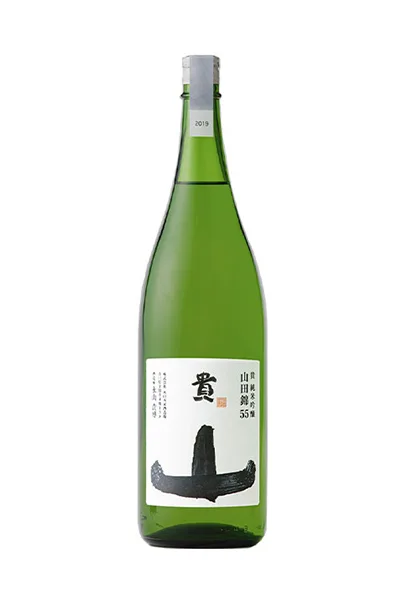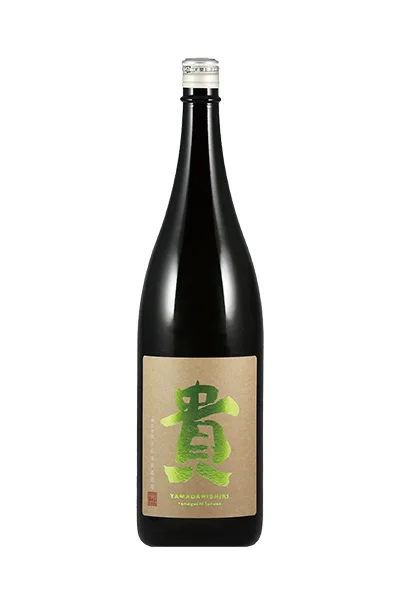
Taka Junmai Daiginjo Kimoto Tokusa Yamada Nishiki
貴 純米大吟醸 生酛 十種山田錦Junmai daiginjo, Yamada Nishiki rice polished to 50%, kimoto starter
Taka — Nagayama Honke Shuzojo, Yamaguchi
Even better once opened, a sake made from Yamada Nishiki.
Specifications
- Type
- Junmai Daiginjo
- Rice
- Yamada Nishiki
- Rice polishing ratio
- 50%50% of each grain polished away
- Yeast
- Not disclosed
- Alcohol
- 15%
How to read these
- Type
- The grade printed on the label. It depends on the ingredients (rice only, or with a little distilled alcohol) and on how far the rice is polished. More
- Rice
- The rice variety. Most premium sake uses varieties grown for brewing, such as Yamada Nishiki. More
- Rice polishing ratio
- How much of each grain is left after polishing. A lower number means more was milled away, which usually gives a lighter, more aromatic sake. More
- Yeast
- The yeast strain, which shapes the aroma. More
- Alcohol
- Alcohol by volume. Most sake is 15–16%; undiluted (genshu) sake is often 17–18%. More
Flavor profile Full & complex
Full & complex — aromatic and full-bodied, including aged sake. Known in Japan as juku-shu (熟酒).
As a 50% polished junmai daiginjo, it should show a fragrant lift, while the kimoto brewing and the described firm, powerful texture point to a fuller body. The note that aroma opens after pouring and the clean finish place it toward the juku quadrant with moderate dryness.
Estimated by AI from the published specifications and the brewery's description; your impression may differ.
About
The Yamada Nishiki rice used in this sake is grown by Shigetake Ochiai and his daughter Seika Ochiai, who work through Tokusa no Sato, an agricultural production corporation in Yamaguchi City, on the way to Tsuwano Town. The Ochiai family's rice fields are in the Tokusa district, the highest-elevation area in Yamaguchi Prefecture. The clay soil holds water well and produces firm, well-structured rice grains. Sake made from this rice has a robustness comparable to Yamada Nishiki grown in the Tojo district of Hyogo Prefecture. Taste: It may feel clean and fairly firm on the palate, but once opened, the aroma is pleasant and it seems likely to pair well with a wide range of dishes.}
Other sake from this brand 22
- Taka Tokubetsu Junmai 60貴 特別純米 60
- Taka Junmai Ginjo Omachi 50貴 純米吟醸 雄町 50
- Taka Yamahai Junmai Omachi貴 山廃 純米 雄町
- Taka Junmai Ginjo Yamada Nishiki 50貴 純米吟醸 山田錦 50
- Taka Tokubetsu Junmai Fukamari貴 特別純米 ふかまり
- Taka Junmai Kimoto Nakazawa Asahi貴 純米 生酛 中澤朝日
- Taka Junmai Fukamari Omachi 2021vin貴 純米 ふかまり雄町 2021vin
- Taka Junmai Ginjo Yamada Nishiki 55貴 純米吟醸 山田錦55
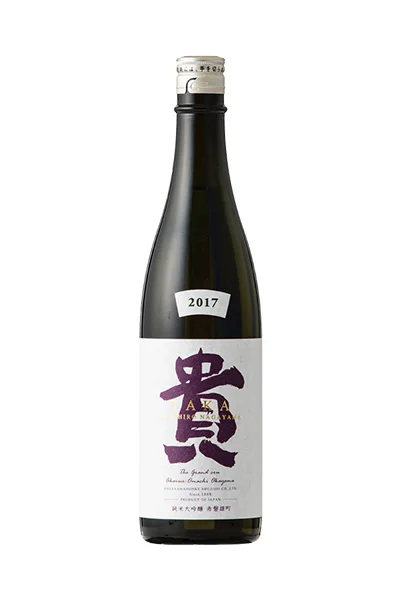
- Taka Junmai Daiginjo Akaiwa Omachi貴 純米大吟醸 赤磐雄町
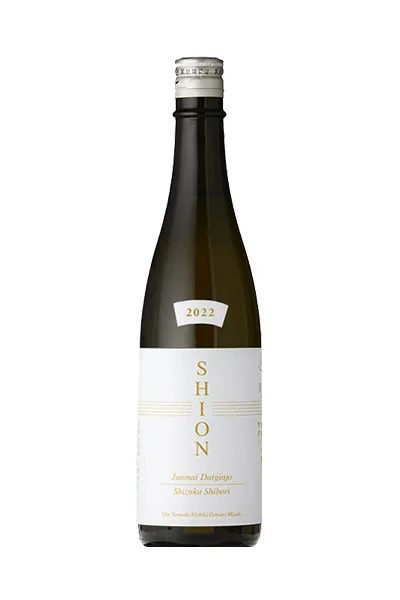
- Taka Junmai Daiginjo Shion貴 純米大吟醸 心音-SHION-
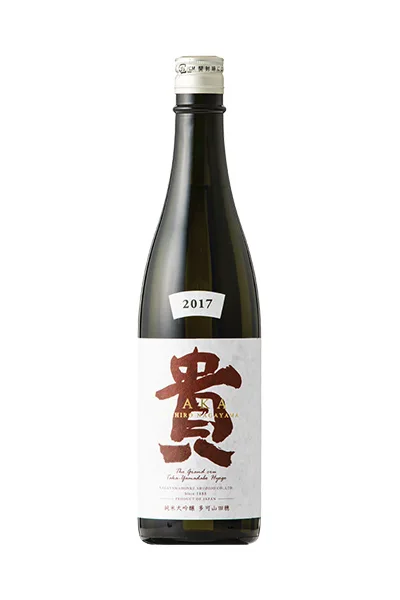
- Taka Junmai Daiginjo Taka Yamadaho貴 純米大吟醸 多可山田穂
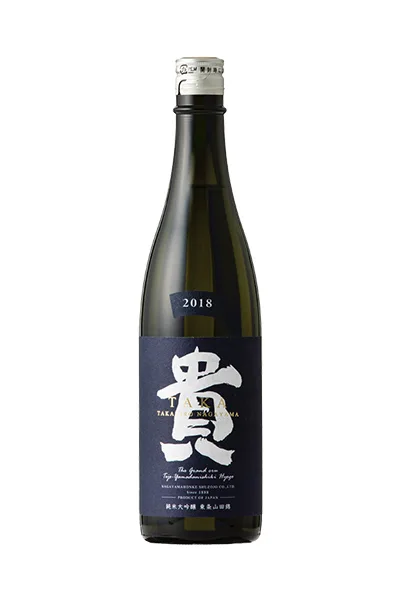
- Taka Junmai Daiginjo Tojo Yamada Nishiki貴 純米大吟醸 東条山田錦