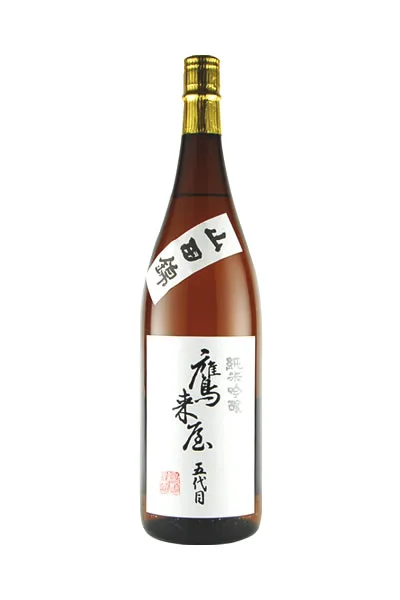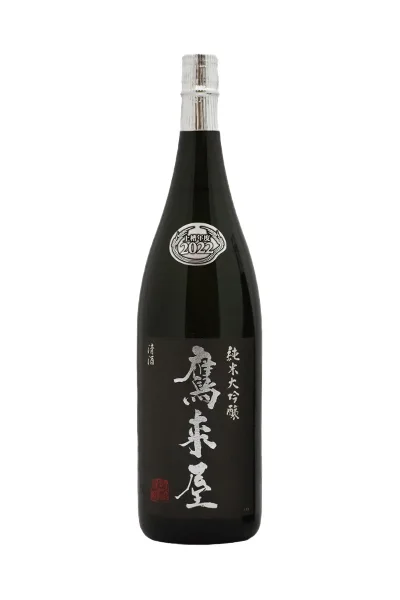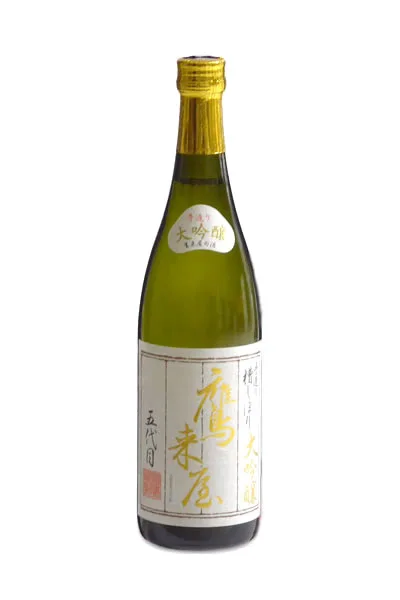
Takakiya Daiginjo
鷹来屋 大吟醸Daiginjo, Yamada Nishiki rice polished to 35%
Takakiya — Hamashima Shuzo, Oita
A daiginjo aimed at being the ultimate food sake, one you can keep enjoying cup after cup without fatigue
Specifications
- Type
- Daiginjo
- Rice
- Yamada Nishiki
- Rice polishing ratio
- 35%65% of each grain polished away
- Yeast
- Not disclosed
- Alcohol
- 16.8%
- Sake meter value
- +5dry
- Acidity
- 1.3
How to read these
- Type
- The grade printed on the label. It depends on the ingredients (rice only, or with a little distilled alcohol) and on how far the rice is polished. More
- Rice
- The rice variety. Most premium sake uses varieties grown for brewing, such as Yamada Nishiki. More
- Rice polishing ratio
- How much of each grain is left after polishing. A lower number means more was milled away, which usually gives a lighter, more aromatic sake. More
- Yeast
- The yeast strain, which shapes the aroma. More
- Alcohol
- Alcohol by volume. Most sake is 15–16%; undiluted (genshu) sake is often 17–18%. More
- Sake meter value
- A sweet-to-dry scale. Plus is drier, minus is sweeter. Acidity changes how it tastes, so treat it as a rough guide. More
- Acidity
- Total acid. Higher tends to taste fuller and drier; lower tastes lighter and sweeter. More
Flavor profile Aromatic & light
Aromatic & light — fruity, floral aroma with a light body. Known in Japan as kun-shu (薫酒).
The 35% polishing ratio, SMV +5 and low acidity of 1.3 point to a gentle, ginjo-style aroma and a dry-leaning, soft sweetness. The text's emphasis on a gentle aroma and deep flavor suggests a light-to-medium body with some richness.
Estimated by AI from the published specifications and the brewery's description; your impression may differ.
About
Made with 100% Yamada Nishiki grown in Hyogo Prefecture, polished to 35%, then fermented slowly at low temperature, with the brewers attending to it day and night throughout the process. Daiginjo are often associated with competition sake, but this bottling is made in exactly the same way as the sake entered in competitions. Brewed with Kumamoto yeast, it offers a gentle aroma and a deep, complex flavor. It is a daiginjo that puts emphasis on taste. It is delicious served chilled (hiya) or cold.
Other sake from this brand 15
- Takakiya Junmai Ginjo Yamada Nishiki鷹来屋 純米吟醸 山田錦
- Takakiya Junmai Daiginjo鷹来屋 純米大吟醸
- Takakiya Tokubetsu Junmai Yamahai鷹来屋 特別純米酒 山廃
- Takakiya Uma Kuchi Honjozo鷹来屋 うま口 本醸造
- Takakiya Junmai sake鷹来屋 純米酒
- Takakiya Tokubetsu Junmai Natsuzake鷹来屋 特別純米酒 夏酒
- Takakiya Ginjo鷹来屋 吟醸酒
- Takakiya Dry Honjozo鷹来屋 辛口 本醸造
- Takakiya Taki no Shizuku鷹来屋 滝のしずく
- Takakiya Tokubetsu Honjozo鷹来屋 特別本醸造
- Takakiya Junmai Ginjo Wakamizu鷹来屋 純米吟醸 若水
- Takakiya Tokubetsu Junmai Karakuchi鷹来屋 特別純米酒 辛口