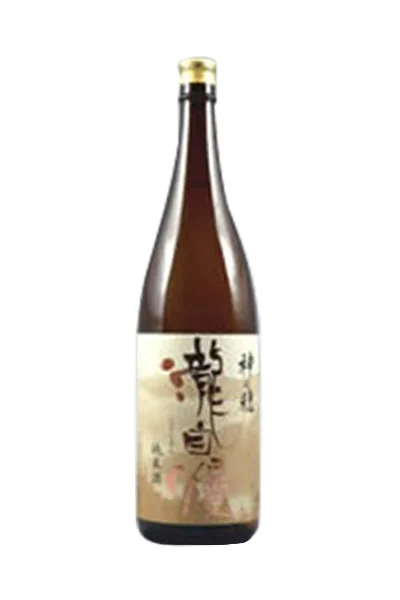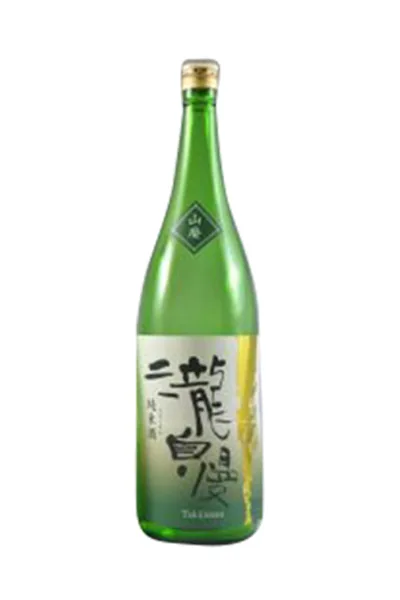
Takijiman Yamahai Junmai sake
瀧自慢 山廃 純米酒Junmai, Kami no Ho rice polished to 60%, yamahai starter
Takijiman — Takijiman Shuzo, Mie
Rich umami from local Kami no Ho rice, balanced with the distinctive acidity and layered complexity of yamahai (traditional yeast-starter method) brewing.
Specifications
- Type
- Junmai Shu
- Rice
- Kaminoho
- Rice polishing ratio
- 60%40% of each grain polished away
- Yeast
- Not disclosed
- Alcohol
- 15%
- Sake meter value
- +10very dry
- Acidity
- 1.3
How to read these
- Type
- The grade printed on the label. It depends on the ingredients (rice only, or with a little distilled alcohol) and on how far the rice is polished. More
- Rice
- The rice variety. Most premium sake uses varieties grown for brewing, such as Yamada Nishiki. More
- Rice polishing ratio
- How much of each grain is left after polishing. A lower number means more was milled away, which usually gives a lighter, more aromatic sake. More
- Yeast
- The yeast strain, which shapes the aroma. More
- Alcohol
- Alcohol by volume. Most sake is 15–16%; undiluted (genshu) sake is often 17–18%. More
- Sake meter value
- A sweet-to-dry scale. Plus is drier, minus is sweeter. Acidity changes how it tastes, so treat it as a rough guide. More
- Acidity
- Total acid. Higher tends to taste fuller and drier; lower tastes lighter and sweeter. More
Flavor profile Rich & umami
Rich & umami — rice-driven umami and a fuller body. Known in Japan as jun-shu (醇酒).
Yamahai junmai made from Kaminoho rice, with umami and gentle acidity, points to a restrained aroma and fuller body. An SMV of +10 with acidity of 1.3 indicates a dry, mellow profile.
Estimated by AI from the published specifications and the brewery's description; your impression may differ.
About
Drawing on the traditional Tamba-ryu yamahai brewing method, this sake has been finished to be easy to drink and free of heavy traits, while making the most of the clarity characteristic of Takijiman. Served at room temperature to lukewarm (nurukan), it is smooth on the palate, with acidity and umami that come across as mellow.
Other sake from this brand 18
- Takijiman Junmai Kami no Ho瀧自慢 純米 神の穂
- Takijiman Junmai Ginjo Bizen Omachi瀧自慢 純米吟醸 備前雄町
- Takijiman Junmai Daiginjo Takumi 35瀧自慢 純米大吟醸 匠 35
- Takijiman Natsu Ginjo瀧自慢 夏吟醸
- Takijiman Junmai Daiginjo瀧自慢 純米大吟醸
- Takijiman Junmai Ginjo瀧自慢 純米吟醸
- Takijiman Ginjo瀧自慢 吟醸
- Takijiman Daiginjo瀧自慢 大吟醸
- Takijiman Junmai Ginjo Kita Shizuku 50瀧自慢 純米吟醸 北雫 50
- Takijiman Dry Junmai Takimizuryu瀧自慢 辛口純米 滝水流
- Takijiman Nigori瀧自慢 にごり酒
- Takijiman Honjozo Namachozo瀧自慢 本醸造 生貯蔵