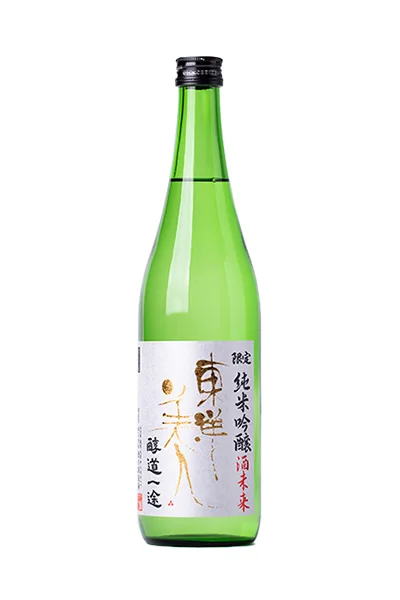
Toyobijin Limited Junmai Ginjo Juntō Ichizu Sake Mirai
東洋美人 限定純米吟醸 醇道一途 酒未来Junmai ginjo, Sake Mirai rice polished to 50%, limited edition
Toyobijin — Sumikawa Shuzojo, Yamaguchi
A Junmai Ginjo made with Sake Mirai, a sake rice developed through years of research by Takagi Shuzo, the brewery behind Juyondai.
Specifications
- Type
- Junmai Ginjo
- Rice
- Sakemirai
- Rice polishing ratio
- 50%50% of each grain polished away
- Yeast
- Not disclosed
- Alcohol
- 16%
- Sake meter value
- +5dry
- Acidity
- 1.6
How to read these
- Type
- The grade printed on the label. It depends on the ingredients (rice only, or with a little distilled alcohol) and on how far the rice is polished. More
- Rice
- The rice variety. Most premium sake uses varieties grown for brewing, such as Yamada Nishiki. More
- Rice polishing ratio
- How much of each grain is left after polishing. A lower number means more was milled away, which usually gives a lighter, more aromatic sake. More
- Yeast
- The yeast strain, which shapes the aroma. More
- Alcohol
- Alcohol by volume. Most sake is 15–16%; undiluted (genshu) sake is often 17–18%. More
- Sake meter value
- A sweet-to-dry scale. Plus is drier, minus is sweeter. Acidity changes how it tastes, so treat it as a rough guide. More
- Acidity
- Total acid. Higher tends to taste fuller and drier; lower tastes lighter and sweeter. More
Flavor profile Full & complex
Full & complex — aromatic and full-bodied, including aged sake. Known in Japan as juku-shu (熟酒).
The 50% polishing junmai ginjo with SMV +5 and acidity 1.6 points to a dry, moderately acidic profile. The unpasteurized, umami-rich and extract-heavy description suggests a full body, while aroma stays restrained for a ginjo, placing it in the juku quadrant.}
Estimated by AI from the published specifications and the brewery's description; your impression may differ.
About
Gentle on the palate yet full-bodied, with a powerful umami. Because it is not pasteurized (hiire), it offers even more juiciness and outstanding extract richness. The soft umami is well balanced by astringency and acidity, and the crisp finish makes this a very light, refreshing sake. Koji rice: 40%, kake rice (rice for the main mash): 50%
Other sake from this brand 18
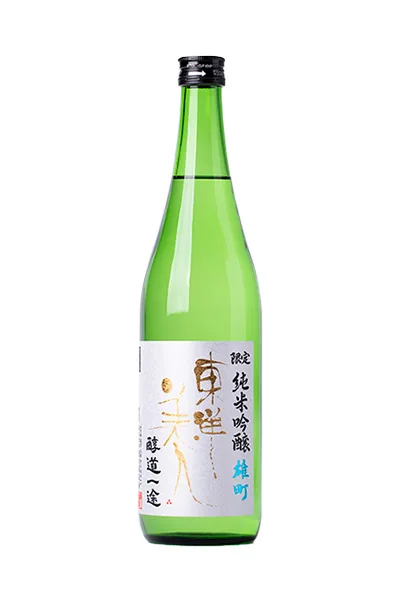
- Toyobijin Gentei Junmai Ginjo Juntō Ichizu Omachi東洋美人 限定純米吟醸 醇道一途 雄町
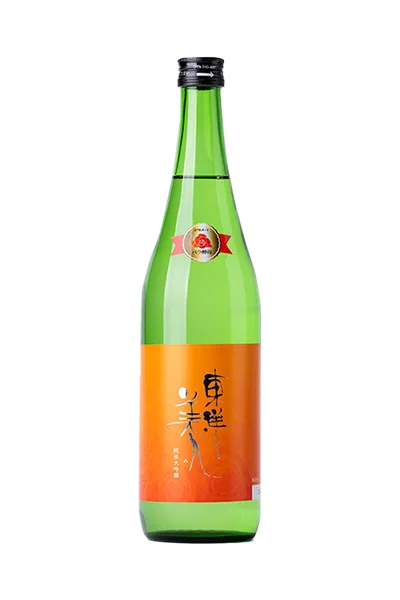
- Toyobijin Junmai Daiginjo Purinsesu Michiko東洋美人 純米大吟醸 プリンセスミチコ
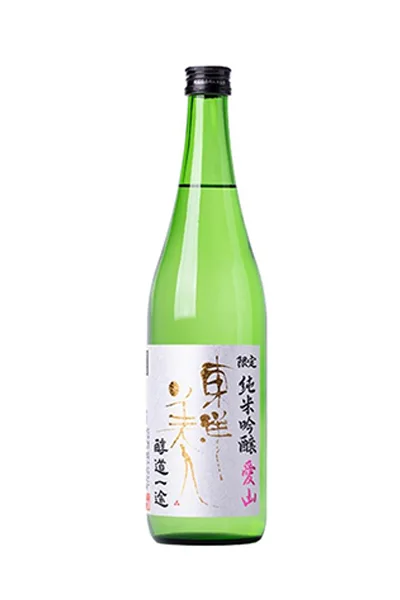
- Toyobijin Limited Junmai Ginjo Juntō Ichizu Aiyama東洋美人 限定純米吟醸 醇道一途 愛山
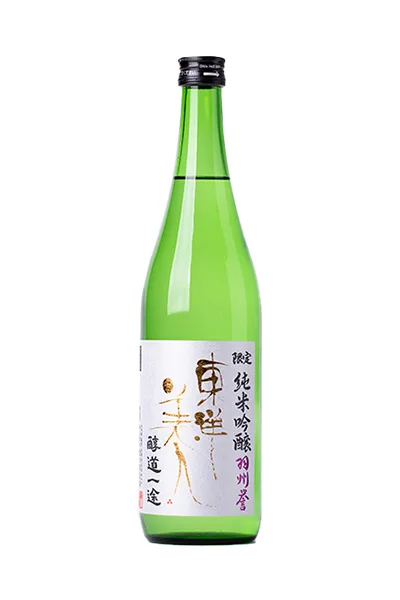
- Toyobijin Gentei Junmai Ginjo Juntō Ichizu Ushu Homare東洋美人 限定純米吟醸 醇道一途 羽州誉
- Toyobijin Gentei Junmai Ginjo Juntō Ichizu Jikagumi Nama東洋美人 限定純米吟醸 醇道一途 直汲み生
- Toyobijin Limited Junmai Ginjo Juntō Ichizu Saito no Shizuku東洋美人 限定純米吟醸 醇道一途 西都の雫
- Toyobijin Gentei Junmai Ginjo Juntō Ichizu Yamada Nishiki東洋美人 限定純米吟醸 醇道一途 山田錦
- Toyobijin Tokugin Junmai Daiginjo Banshu Aiyama東洋美人 特吟 純米大吟醸 播州愛山
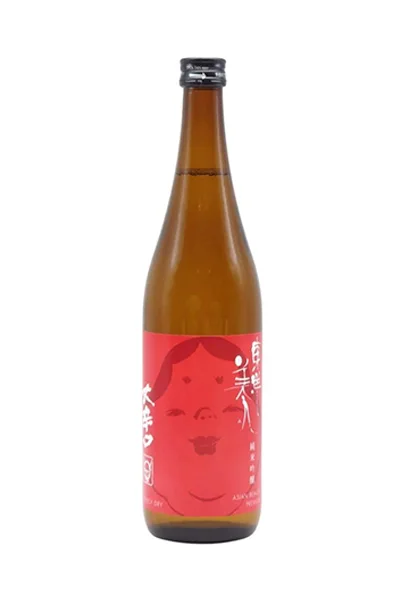
- Toyobijin Junmai Ginjo Dai-karakuchi東洋美人 純米吟醸 大辛口
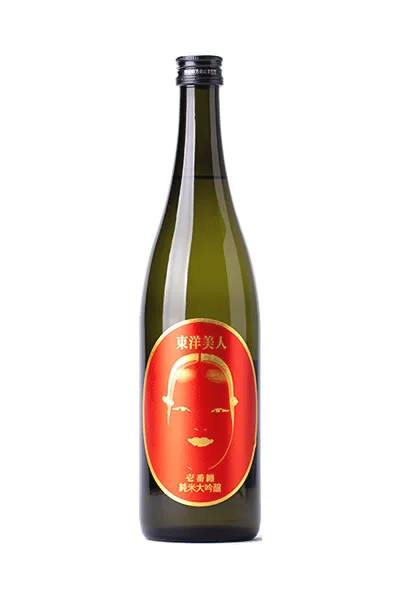
- Toyobijin Junmai Daiginjo Ichiban Matoi東洋美人 純米大吟醸 壱番纏
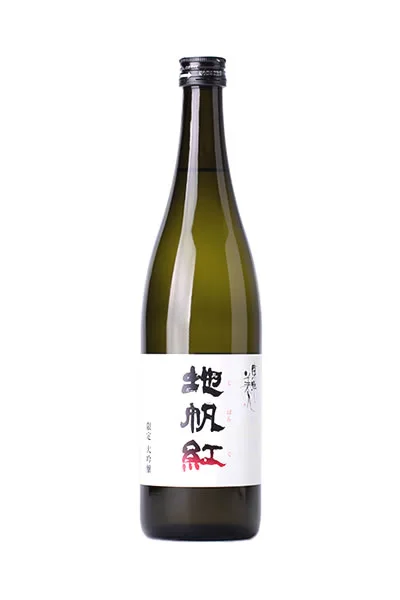
- Toyobijin Chihanko東洋美人 地帆紅
- Toyobijin Yamahai Daiginjo東洋美人 山廃大吟醸