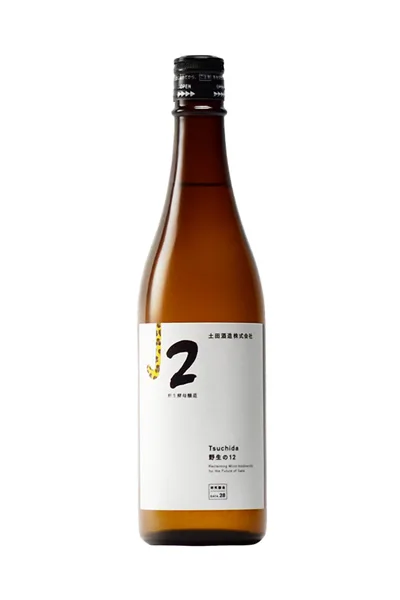
Yasei no 12 Kenkyu Jozo data28
野生の12 研究醸造data28Junmai, Asahi no Yume rice polished to 90%, unpasteurized (nama)
Tsuchida — Tsuchida Shuzo, Gunma
Third time lucky: a research brew of low-alcohol kimoto genshu made with wild yeast
Specifications
- Type
- Junmai Shu
- Rice
- Asahi no Yume
- Rice polishing ratio
- 90%10% of each grain polished away
- Yeast
- Mutenka
- Alcohol
- 12%
- Sake meter value
- -42very sweet
- Acidity
- 5.3
How to read these
- Type
- The grade printed on the label. It depends on the ingredients (rice only, or with a little distilled alcohol) and on how far the rice is polished. More
- Rice
- The rice variety. Most premium sake uses varieties grown for brewing, such as Yamada Nishiki. More
- Rice polishing ratio
- How much of each grain is left after polishing. A lower number means more was milled away, which usually gives a lighter, more aromatic sake. More
- Yeast
- The yeast strain, which shapes the aroma. More
- Alcohol
- Alcohol by volume. Most sake is 15–16%; undiluted (genshu) sake is often 17–18%. More
- Sake meter value
- A sweet-to-dry scale. Plus is drier, minus is sweeter. Acidity changes how it tastes, so treat it as a rough guide. More
- Acidity
- Total acid. Higher tends to taste fuller and drier; lower tastes lighter and sweeter. More
Flavor profile Rich & umami
Rich & umami — rice-driven umami and a fuller body. Known in Japan as jun-shu (醇酒).
SMV -42 and acidity 5.3 point to strong sweetness and acidity, and the text describes a firm, wild flavor. As a 90% polished kimoto nama junmai at 12% alcohol, it shows restrained aroma and a full body with a light finish.
Estimated by AI from the published specifications and the brewery's description; your impression may differ.
About
This sake is brewed with Mutenka (no added yeast) and kept low in alcohol as a kimoto (traditional yeast-starter method) genshu (undiluted sake), an unusual approach to sake making. The brewers guided whatever wild microbes arrived in the brewery, not knowing in advance which yeasts would settle in, and brought the sake to completion from them. This is the third attempt at low-alcohol sake made with wild yeast. The previous two did not turn out as intended, as fermentation progressed too far and the alcohol level rose too high. Still, the company president asked for another try at low alcohol this year, this time at a rice polishing ratio of 90%, which is harder to control. - Gunma-grown table rice, rice polishing ratio 90% - Mutenka (no added yeast) - Other additives also not used - Kimoto method, aiming for an alcohol content of about 10% to 12% while still tasting good Brewery walls harbor many invisible yeasts and other microbes. Brewing with wild yeast means guiding these microbes toward the sake you aim for. Kyokai yeasts (association yeast strains) are widely used and come with documentation on fermentation progress, flavor, and aroma. They make it easier to reach a target style safely, but they may also reduce the diversity of flavors that sake can have. This sake has a wild, rustic character. The flavor is firm, but with alcohol at a lower 12%, the finish is surprisingly light, and it is easy to keep drinking. Sweetness and acidity are quite pronounced, so chilling it well is recommended. It can also be enjoyed on the rocks or mixed with soda. Its flavor is strong enough that it does not taste thin when diluted, and it goes down easily. For food, try it with meat: pork tongue, beef tongue, and offal dishes pair well, and horse sashimi is also a good match. Master brewer (toji) Hoshino's recommended pairing is peach, which he reportedly found quite delicious.
Other sake from this brand 37
- GI Shin Tsuchida Yuki HotakaGI シン・ツチダ 雪ほたか
- GI Shin Tsuchida KoshihikariGI シン・ツチダ コシヒカリ
- Oze no Mokudo 2024-1尾瀬の木道2024-1
- Kan Tsuchidaカン・ツチダ
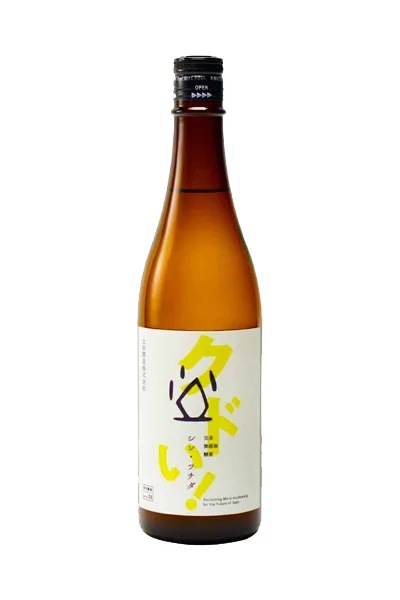
- Kudoi! Shin Tsuchida (Kenkyu Jozo data.32)クドい!シン・ツチダ(研究醸造 data.32)
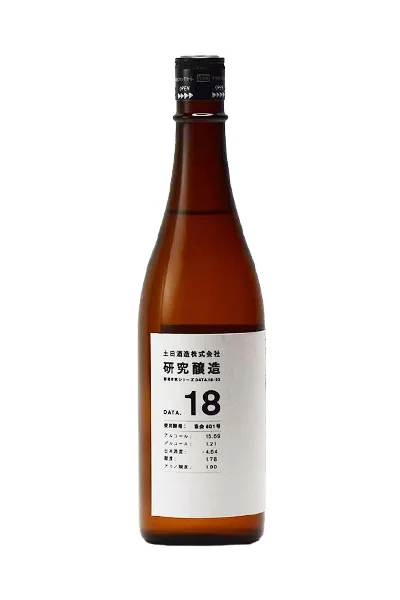
- Kenkyu Jozo 18研究醸造18
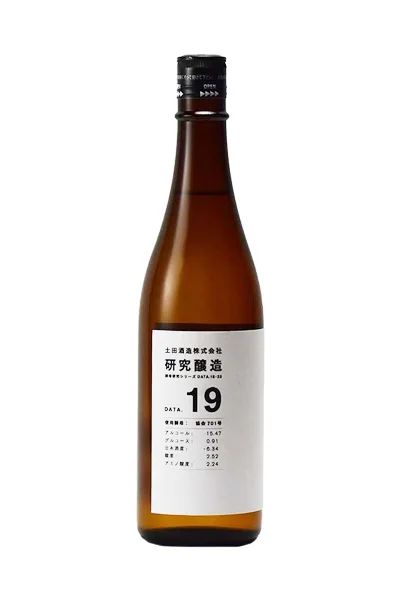
- Kenkyu Jozo 19研究醸造19
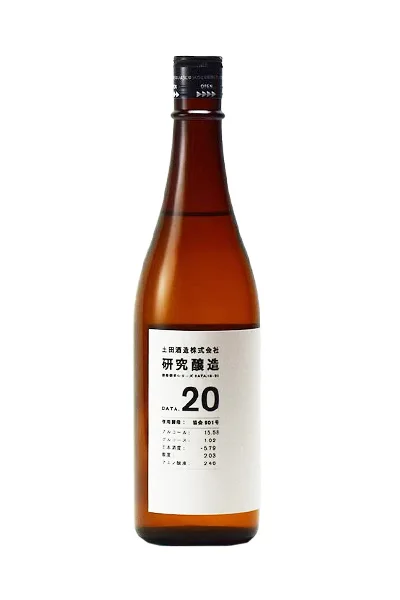
- Tsuchida Kenkyu Jozo 20研究醸造20
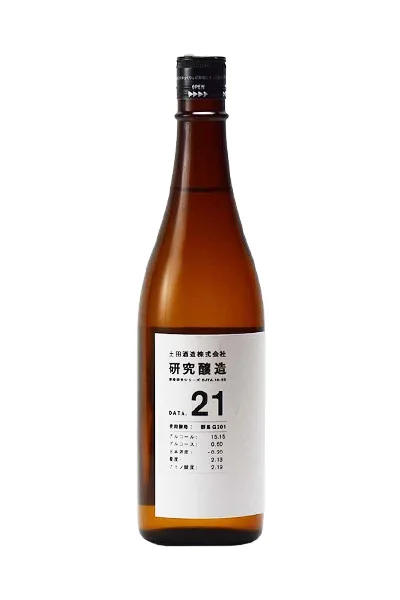
- Kenkyu Jozo 21研究醸造21
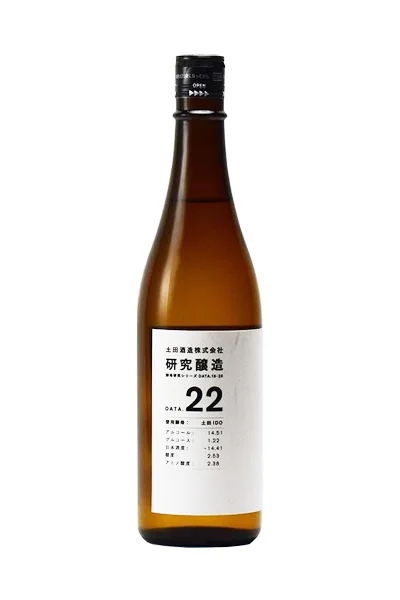
- Kenkyu Jozo 22研究醸造22
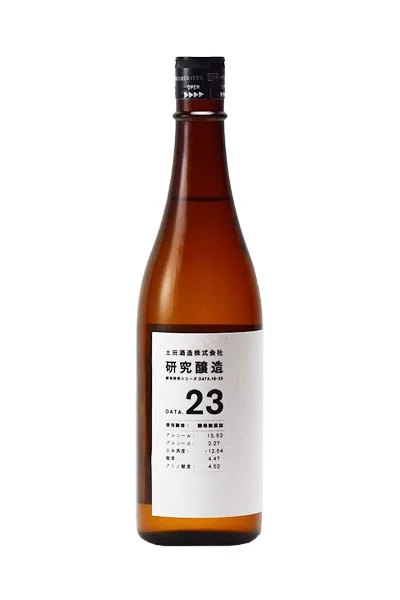
- Kenkyu Jozo 23研究醸造23
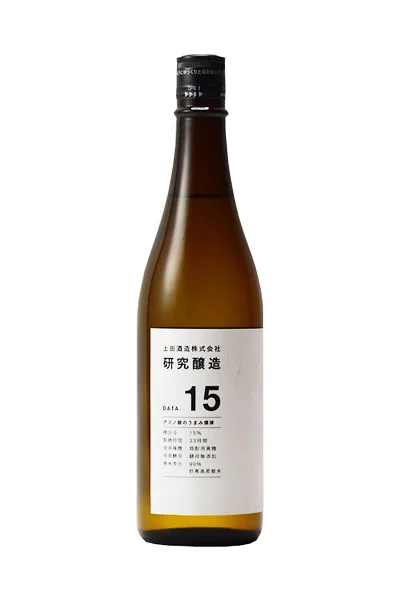
- Kenkyu Jozo Data15研究醸造 Data15