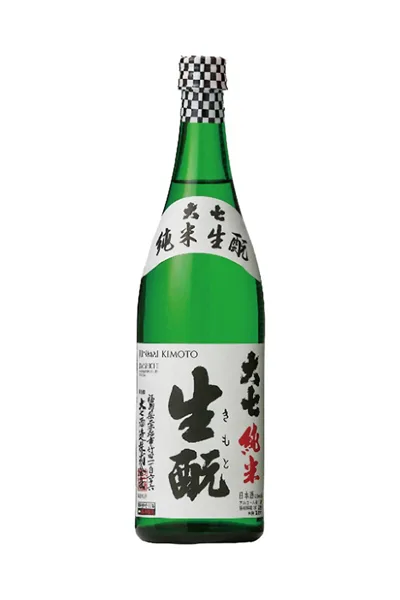
Daishichi Junmai Kimoto
大七 純米生酛Junmai, Gohyakumangoku rice polished to 69%, kimoto starter
Daishichi — Daishichi Shuzo, Fukushima
The eastern yokozuna, delicious when warmed. Warming brings out even more bloom, and aging adds rich body and umami.
Specifications
- Type
- Junmai Shu
- Rice
- Gohyakumangoku
- Rice polishing ratio
- 69%31% of each grain polished away
- Yeast
- Daishichi Yeast
- Alcohol
- 15%
- Sake meter value
- +3slightly dry
- Acidity
- 1.8
How to read these
- Type
- The grade printed on the label. It depends on the ingredients (rice only, or with a little distilled alcohol) and on how far the rice is polished. More
- Rice
- The rice variety. Most premium sake uses varieties grown for brewing, such as Yamada Nishiki. More
- Rice polishing ratio
- How much of each grain is left after polishing. A lower number means more was milled away, which usually gives a lighter, more aromatic sake. More
- Yeast
- The yeast strain, which shapes the aroma. More
- Alcohol
- Alcohol by volume. Most sake is 15–16%; undiluted (genshu) sake is often 17–18%. More
- Sake meter value
- A sweet-to-dry scale. Plus is drier, minus is sweeter. Acidity changes how it tastes, so treat it as a rough guide. More
- Acidity
- Total acid. Higher tends to taste fuller and drier; lower tastes lighter and sweeter. More
Flavor profile Full & complex
Full & complex — aromatic and full-bodied, including aged sake. Known in Japan as juku-shu (熟酒).
The kimoto junmai specs (SMV +3, acidity 1.8, 69% polishing) and the description of white peach and white flower aroma with aged, rich koku and umami point to a moderately aromatic, full-bodied sake. Sweetness is restrained, placing it in the juku quadrant.
Estimated by AI from the published specifications and the brewery's description; your impression may differ.
About
A junmai sake from Daishichi, the eastern yokozuna and a brewery known for its skill in kimoto (traditional yeast-starter method) brewing. Its creamy, refined aroma suggests white flowers and white peach, and a moist umami settles on the palate. Aged richness and acidity come together in a fine balance, and the clean finish keeps it from ever becoming tiring. Honored as Japan's best warmed sake (Kanzake Nihon Ichi), it also rewards warming: at jokan (moderately warm) temperature, its rich body, umami and acidity blend completely, becoming mellow, deep and well balanced. It can be enjoyed across a wide range of temperatures, from chilled to hot, and its generous character pairs with dishes of every season.
Other sake from this brand 19
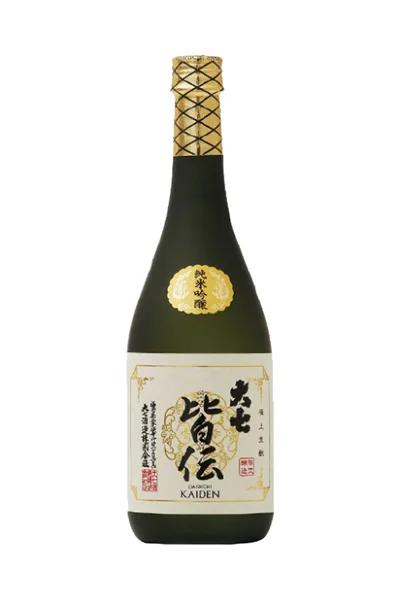
- Daishichi Kimoto Zukuri Junmai Ginjo Kaiden大七 生酛造り 純米吟醸 皆伝
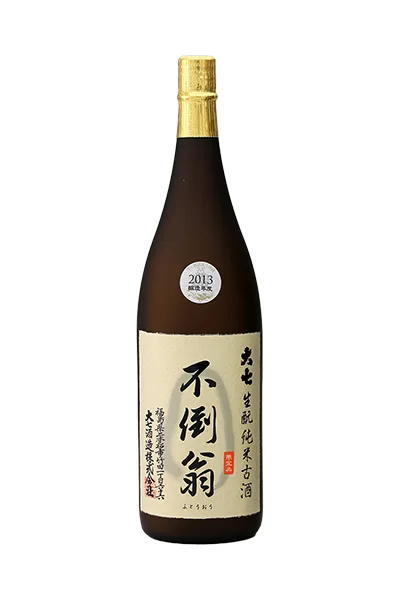
- Daishichi Futoo大七 不倒翁
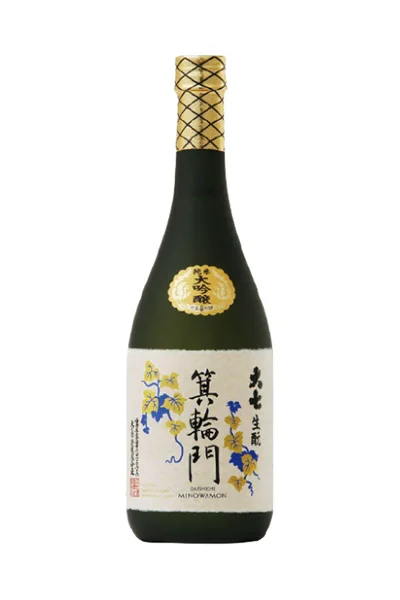
- Daishichi Kimoto Junmai Daiginjo Minowamon大七 生酛 純米大吟醸 箕輪門
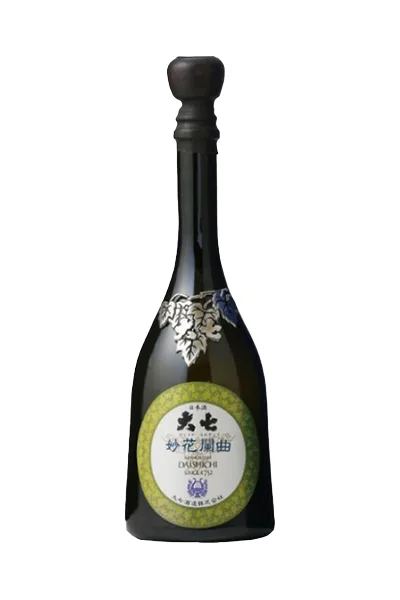
- Daishichi Myoka Rankyoku大七 妙花闌曲
- Daishichi Kioke Shikomi Kimoto Junmai Shu Rakutenmei大七 木桶仕込み・生酛純米酒 楽天命
- Daishichi Honjozo Nigori大七 本醸造 にごり酒
- Daishichi Honjozo Kimoto Hiyaoroshi大七 本醸造 生酛 ひやおろし
- Daishichi Yuki Shibori Honjozo Nama Genshu大七 雪しぼり 本醸造 生原酒
- Daishichi Ginjo Koshu Junmai Daiginjo大七 吟醸古酒 純米大吟醸
- Daishichi Honjozo Karakuchi Kimoto大七 本醸造 からくち 生酛
- Daishichi Ginjo Koshu Daiginjo大七 吟醸古酒 大吟醸
- Daishichi Kimoto Daiginjo Kiwami Jo Kiippon大七 生酛 大吟醸 極上生一本