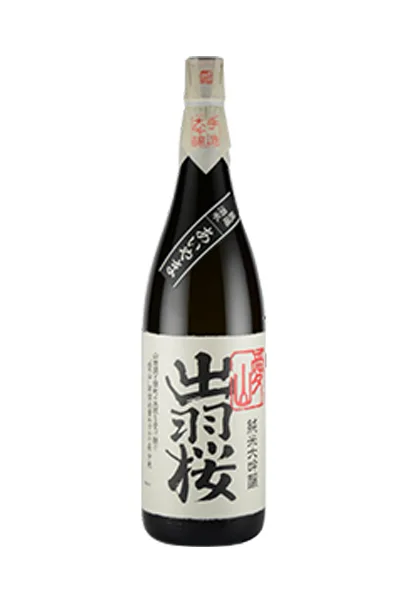
Dewazakura Junmai Daiginjo Aiyama
出羽桜 純米大吟醸 愛山Junmai daiginjo, rice polished to 45%
Dewazakura — Dewazakura Shuzo, Yamagata
Full of sweetness and umami, with a rich finish that lingers long after you swallow.
Specifications
- Type
- Junmai Daiginjo
- Rice
- Not disclosed
- Rice polishing ratio
- 45%55% of each grain polished away
- Yeast
- Not disclosed
- Alcohol
- 17%
- Sake meter value
- +3slightly dry
- Acidity
- 1.5
How to read these
- Type
- The grade printed on the label. It depends on the ingredients (rice only, or with a little distilled alcohol) and on how far the rice is polished. More
- Rice
- The rice variety. Most premium sake uses varieties grown for brewing, such as Yamada Nishiki. More
- Rice polishing ratio
- How much of each grain is left after polishing. A lower number means more was milled away, which usually gives a lighter, more aromatic sake. More
- Yeast
- The yeast strain, which shapes the aroma. More
- Alcohol
- Alcohol by volume. Most sake is 15–16%; undiluted (genshu) sake is often 17–18%. More
- Sake meter value
- A sweet-to-dry scale. Plus is drier, minus is sweeter. Acidity changes how it tastes, so treat it as a rough guide. More
- Acidity
- Total acid. Higher tends to taste fuller and drier; lower tastes lighter and sweeter. More
Flavor profile Full & complex
Full & complex — aromatic and full-bodied, including aged sake. Known in Japan as juku-shu (熟酒).
Polished to 45% with SMV +3 and acidity 1.5, this junmai daiginjo is structured around rice sweetness and umami, as the description of a lingering, rich finish confirms. Aroma is moderate, while the 17% alcohol and dense texture point to a full, juku-style body.
Estimated by AI from the published specifications and the brewery's description; your impression may differ.
About
Inheriting the lineage of Yamada Nishiki and Omachi, Aiyama (a sake rice) has large grains and a large shinpaku (the starchy white core at the center of the rice grain). It is notoriously difficult to cultivate, and it is often called a phantom sake rice. Dewazakura produces this sake in a limited quantity of one tank per year. Carefully brewed, it is full of the sweetness and umami of the rice, and a rich finish continues long after swallowing.
Other sake from this brand 25
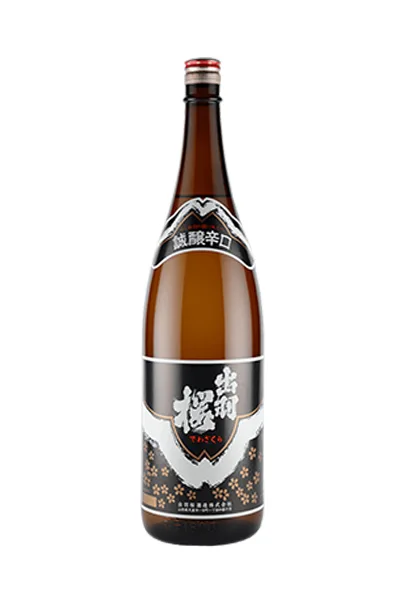
- Dewazakura Seijo Dry出羽桜 誠醸辛口
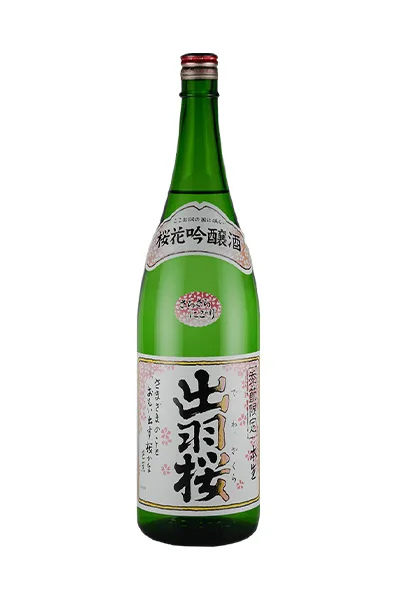
- Dewazakura Ginjo Oka Sarasara Nigori出羽桜 吟醸酒 桜花 さらさらにごり
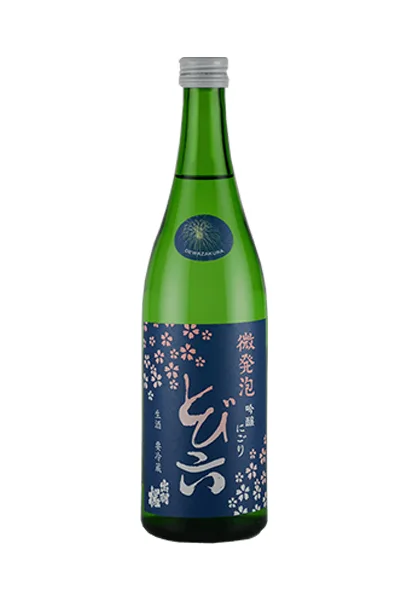
- Dewazakura Ginjo Nigori Tobi Roku出羽桜 吟醸にごり とび六
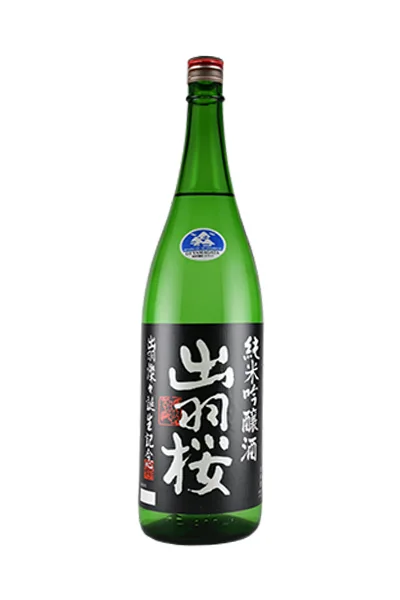
- Dewazakura Junmai Ginjo Dewa Sansan Tanjo Kinen出羽桜 純米吟醸酒 出羽燦々 誕生記念
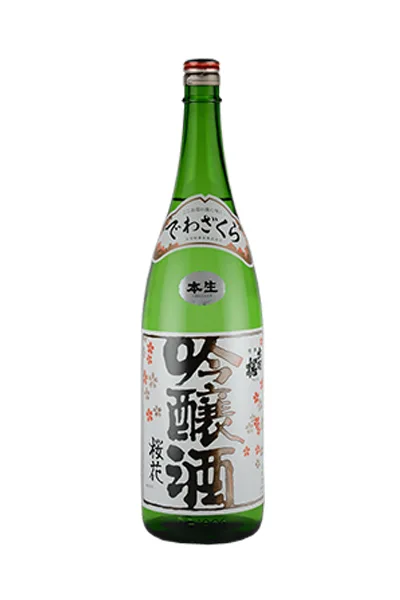
- Dewazakura Ginjo Oka Honnama出羽桜 吟醸酒 桜花 本生
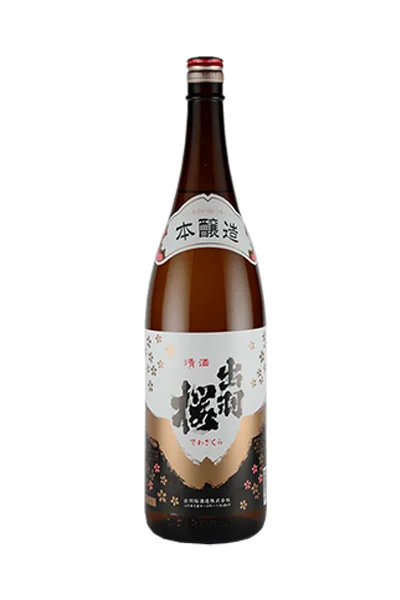
- Dewazakura Honjozo出羽桜 本醸造
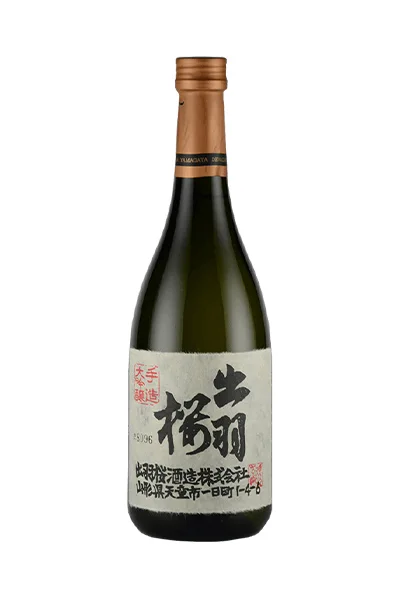
- Dewazakura Daiginjo出羽桜 大吟醸
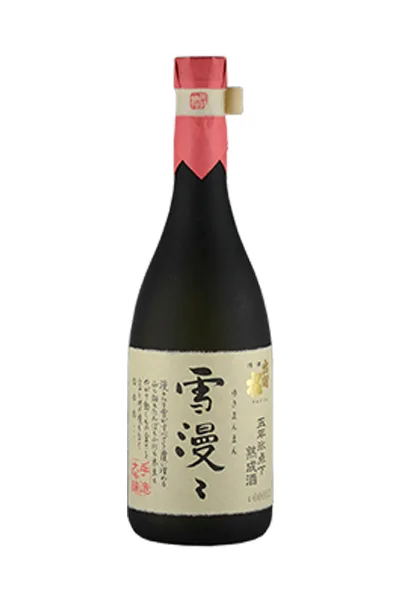
- Dewazakura Go-nen Hyoten-ka Jukusei-shu Yuki Manman出羽桜 五年氷点下熟成酒 雪漫々
- Dewazakura Junmai Ikko Nama出羽桜 純米酒 一耕 生
- Dewazakura Junmai sake Ikkou出羽桜 純米酒 一耕
- Dewazakura Ginjo Oka出羽桜 吟醸酒 桜花
- Dewazakura Junmai Ginjo Omachi出羽桜 純米吟醸 雄町