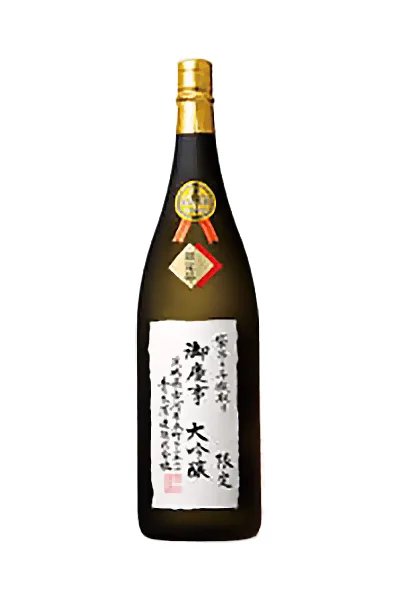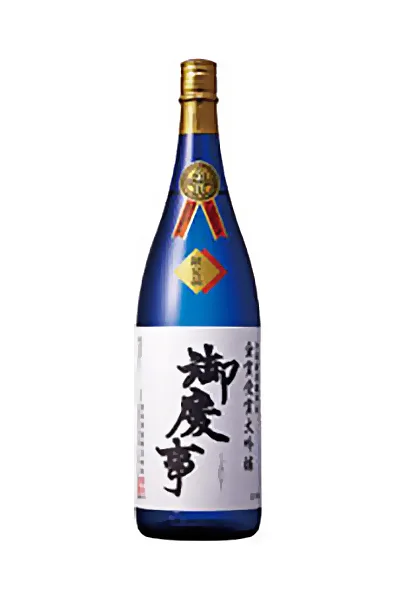
Gokeiji Daiginjo Kinsho Jushoshu
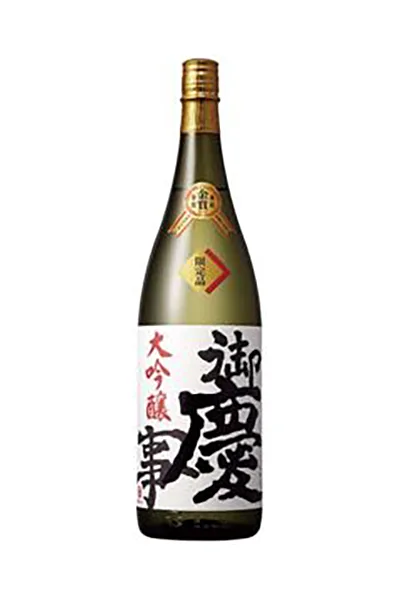
御慶事 大吟醸 金賞受賞酒Daiginjo, rice polished to 38%, gold medal winner (kinsho)
Gokeiji — Aoki Shuzo, Ibaraki
A fine sake with floral aromas and a mellow, rich character that will not disappoint.
Specifications
- Type
- Daiginjo
- Rice
- Not disclosed
- Rice polishing ratio
- 38%62% of each grain polished away
- Yeast
- Not disclosed
- Sake meter value
- +2slightly dry
- Acidity
- 1.1
How to read these
- Type
- The grade printed on the label. It depends on the ingredients (rice only, or with a little distilled alcohol) and on how far the rice is polished. More
- Rice
- The rice variety. Most premium sake uses varieties grown for brewing, such as Yamada Nishiki. More
- Rice polishing ratio
- How much of each grain is left after polishing. A lower number means more was milled away, which usually gives a lighter, more aromatic sake. More
- Yeast
- The yeast strain, which shapes the aroma. More
- Sake meter value
- A sweet-to-dry scale. Plus is drier, minus is sweeter. Acidity changes how it tastes, so treat it as a rough guide. More
- Acidity
- Total acid. Higher tends to taste fuller and drier; lower tastes lighter and sweeter. More
Flavor profile Aromatic & light
Aromatic & light — fruity, floral aroma with a light body. Known in Japan as kun-shu (薫酒).
The 38% polishing ratio of this daiginjo and its described floral aroma point to a high aroma score. Low acidity of 1.1 and an SMV of +2 suggest a soft, mellow palate with gentle sweetness, while the described koku adds moderate richness.
Estimated by AI from the published specifications and the brewery's description; your impression may differ.
About
This sake was recognized for its excellence in flavor, aroma, and balance, earning a Gold Medal at this year's Annual Japan Sake Awards (2022 Annual Japan Sake Awards Gold Medal). Yamada Nishiki, the most prominent of the sake rice varieties, is used here in its finest grade, sourced from the Special A district of Hyogo Prefecture and said to be the highest quality of this rice. It is polished to 38%, making this a very luxurious daiginjo. Each brewery may enter only one container in the Annual Japan Sake Awards. Even if a sake uses ingredients of the same quality, a sake from a different tank cannot be described as a Gold Medal-winning sake (the entry sake). For this reason, this daiginjo is exceptionally rare.
Other sake from this brand 12
- Gokeiji Tokubetsu Honjozo御慶事 特別本醸造
- Gokeiji Daiginjo Fukurotsuri Tobin-dori御慶事 大吟醸 袋吊り 斗瓶取り
- Gokeiji Junmai Koshiki Zukuri御慶事 純米酒 古式造り
- Gokeiji Josen御慶事 上撰
- Gokeiji Tokubetsu Junmai御慶事 特別純米酒
- Gokeiji Junmai Ginjo Fukumaru御慶事 純米吟醸 ふくまる
- Gokeiji Meijo Kinjirushi御慶事 名醸 金印
- Gokeiji Daiginjo御慶事 大吟醸
- Gokeiji Daiginjo Namachozo御慶事 大吟醸 生貯
- Gokeiji Junmai Daiginjo Fukurotsuri Tobin-dori御慶事 純米大吟醸 袋吊り 斗瓶取り
- Gokeiji Junmai Namachozo御慶事 純米 生 貯蔵酒
- Gokeiji Junmai Ginjo御慶事 純米吟醸