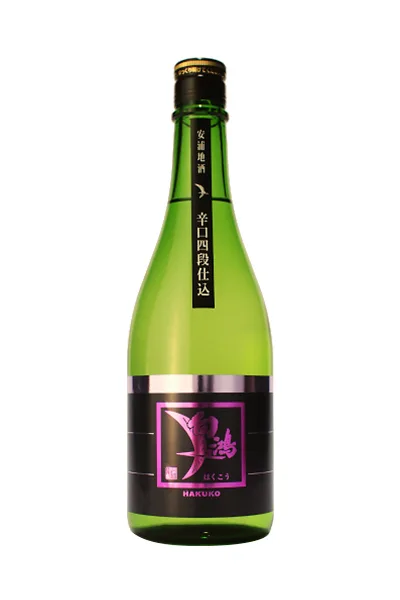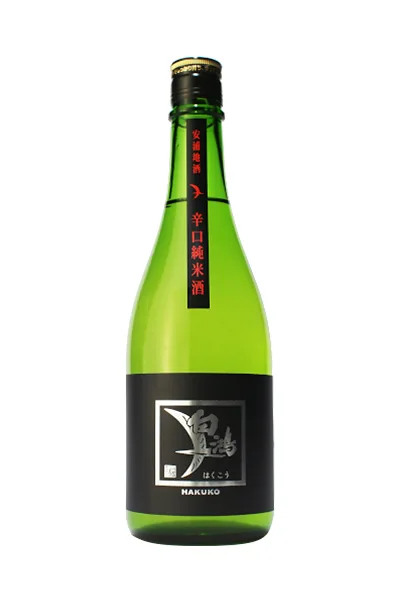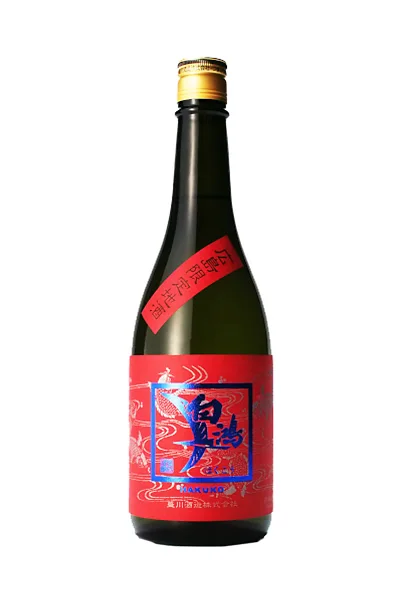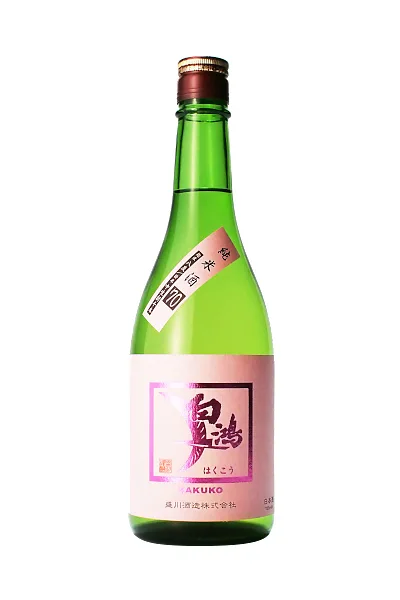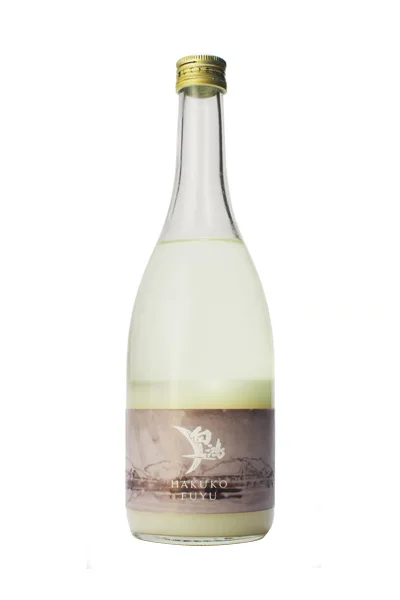
Hakuko Fuyu Junmai Kassei Nama Nigori
HAKUKO FUYU ~純米活性生にごり~Junmai, rice polished to 70%, unpasteurized (nama), cloudy and naturally sparkling
Hakuko — Morikawa Shuzo, Hiroshima
A winter limited release: a fresh new sake, lively and unpasteurized, in cloudy style.
Specifications
- Type
- Junmai Shu
- Rice
- Domestic rice
- Rice polishing ratio
- 70%30% of each grain polished away
- Yeast
- Not disclosed
- Alcohol
- 15.5%
How to read these
- Type
- The grade printed on the label. It depends on the ingredients (rice only, or with a little distilled alcohol) and on how far the rice is polished. More
- Rice
- The rice variety. Most premium sake uses varieties grown for brewing, such as Yamada Nishiki. More
- Rice polishing ratio
- How much of each grain is left after polishing. A lower number means more was milled away, which usually gives a lighter, more aromatic sake. More
- Yeast
- The yeast strain, which shapes the aroma. More
- Alcohol
- Alcohol by volume. Most sake is 15–16%; undiluted (genshu) sake is often 17–18%. More
Flavor profile Rich & umami
Rich & umami — rice-driven umami and a fuller body. Known in Japan as jun-shu (醇酒).
The text describes a slightly sweet, umami-retaining junmai nigori made with amazake four-stage brewing, which points to a restrained aroma, a rich body and noticeable sweetness. The carbonation and fresh nama character add a lively lift.
Estimated by AI from the published specifications and the brewery's description; your impression may differ.
About
A freshly pressed new sake, this is a winter-limited active nigori (cloudy sake). Made with amazake yondan jikomi (four-stage amazake brewing), it is a slightly sweet junmai nigori that keeps a gentle sweetness and umami, and it is offered just as it was pressed. The yeast is still alive when bottled, so fermentation continues inside the bottle. Expect a fresh taste with a natural carbonation. The label is a design by ink-wash painting artist CHiNPAN, inspired by the scenery of Setouchi (the Seto Inland Sea). [Amazake yondan jikomi (four-stage amazake brewing)] Normally, sake is brewed by sandan jikomi (three-stage brewing). To keep the yeast healthy, steamed rice, koji rice, and water are added in three portions, called hatsuzoe, nakazoe, and tomezoe, and the volume of the moromi (fermentation mash) is gradually increased. In this sake, to retain a pleasant sweetness and umami, amazake made from rice and koji is added to the moromi just before pressing. This process is called amazake yondan jikomi.
Other sake from this brand 24
- Hakuko Daiginjo Sarasoju白鴻 大吟醸 沙羅双樹
- Hakuko Junmai Daiginjo 50 Sarasoju白鴻 純米大吟醸50 沙羅双樹
- Hakuko Tokubetsu Junmai白鴻 特別純米酒
- Hakuko Junmai Ginjo Sarasoju白鴻 純米吟醸 沙羅双樹
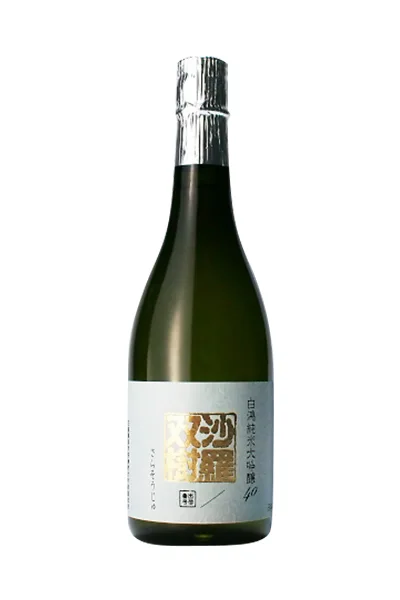
- Hakuko Junmai Daiginjo 40 Sarasoju白鴻 純米大吟醸40 沙羅双樹
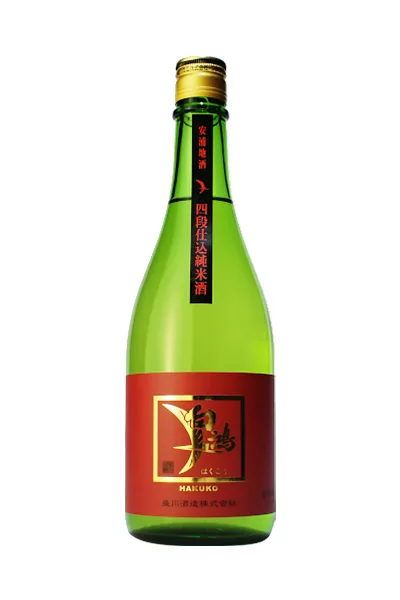
- Hakuko Four-stage brewing (yodan jikomi) Junmai Red Label白鴻 四段仕込み純米《赤ラベル》
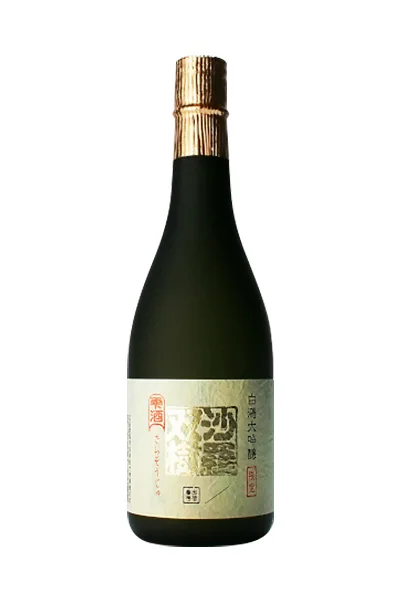
- Hakuko Daiginjo Sarasoju Shizuku-zake白鴻 大吟醸 沙羅双樹 雫酒
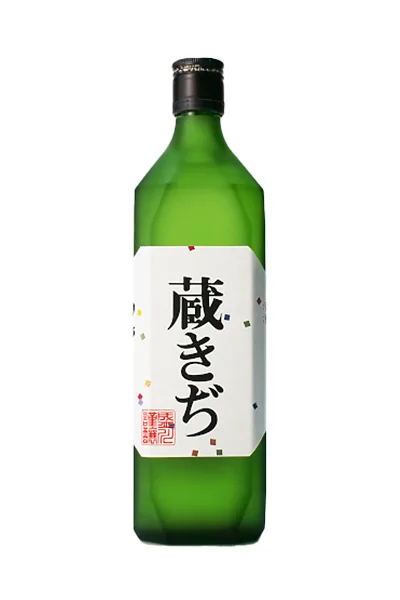
- Hakuko Kura Kiji白鴻 蔵きぢ
- Hakuko Dry Junmai sake Kuro Label白鴻 辛口純米酒《黒ラベル》
- Hakuko Junmai Ginjo Genshu Koi Label [Hiroshima Limited]白鴻 純米吟醸原酒 鯉ラベル【広島限定】
- Hakuko Junmai sake (Momo Label)白鴻 純米酒《桃ラベル》