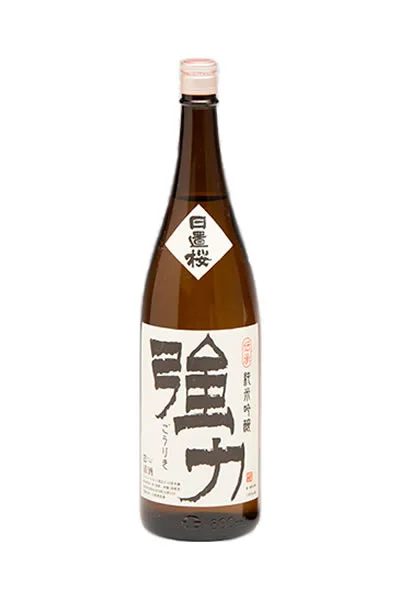
Hiokizakura Junmai Ginjo Densho Goriki
日置桜 純米吟醸 伝承強力Junmai ginjo, rice polished to 50%
Hiokizakura — Yamane Shuzojo, Tottori
Carefully chosen rice and handmade junmai ginjo sake
Specifications
- Type
- Junmai Ginjo
- Rice
- Not disclosed
- Rice polishing ratio
- 50%50% of each grain polished away
- Yeast
- Kyokai No. 9
- Alcohol
- 15.7%
- Sake meter value
- +14very dry
- Acidity
- 1.8
How to read these
- Type
- The grade printed on the label. It depends on the ingredients (rice only, or with a little distilled alcohol) and on how far the rice is polished. More
- Rice
- The rice variety. Most premium sake uses varieties grown for brewing, such as Yamada Nishiki. More
- Rice polishing ratio
- How much of each grain is left after polishing. A lower number means more was milled away, which usually gives a lighter, more aromatic sake. More
- Yeast
- The yeast strain, which shapes the aroma. More
- Alcohol
- Alcohol by volume. Most sake is 15–16%; undiluted (genshu) sake is often 17–18%. More
- Sake meter value
- A sweet-to-dry scale. Plus is drier, minus is sweeter. Acidity changes how it tastes, so treat it as a rough guide. More
- Acidity
- Total acid. Higher tends to taste fuller and drier; lower tastes lighter and sweeter. More
Flavor profile Rich & umami
Rich & umami — rice-driven umami and a fuller body. Known in Japan as jun-shu (醇酒).
The SMV of +14 and acidity of 1.8, together with the description of a solid acidity and dense umami from strong rice, point to restrained aroma, a full body and a dry, clean finish.
Estimated by AI from the published specifications and the brewery's description; your impression may differ.
About
Yamane Shuzojo follows the philosophy of "brewing sake that does not cater to the world," and all of the sake rice it uses is grown under fully contracted cultivation. Built on a firm, solid acidity, its dense and concentrated umami gives the sake a character that clearly expresses the assertiveness of Goriki rice. It is dry and clean in character, so it is easy to keep drinking, and it can be enjoyed from the first course of a meal to the last. Near the brewery stands a prized old cherry tree that comes into full bloom around the time of the old New Year. The name Hiokizakura is said to have been chosen to express the wish to share sake while waiting for spring.
Other sake from this brand 20
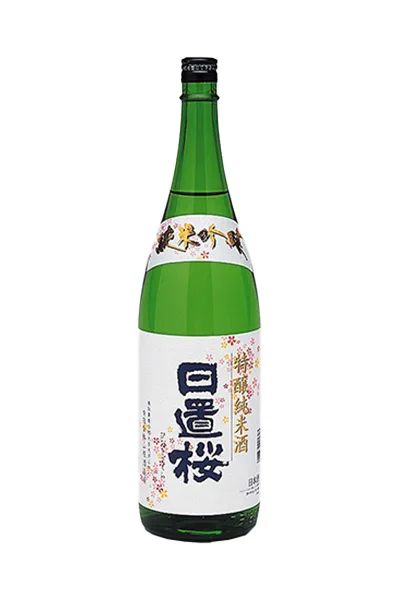
- Hiokizakura Tokujo Junmai日置桜 特醸純米酒
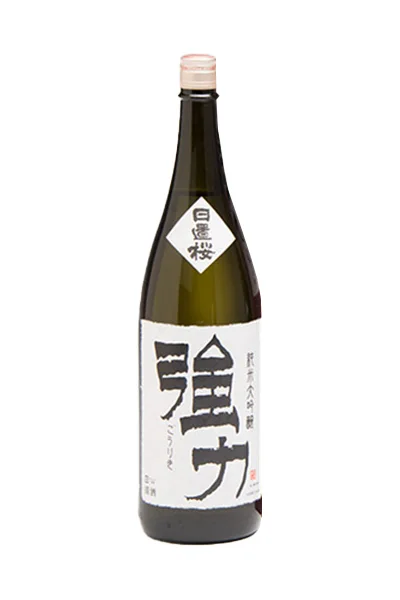
- Hiokizakura Junmai Daiginjo Goriki rice日置桜 純米大吟醸 強力米
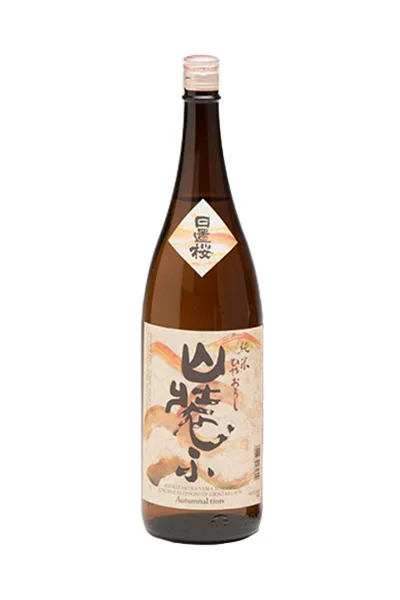
- Hiokizakura Tokubetsu Junmai Hiyaoroshi日置桜 特別純米 ひやおろし
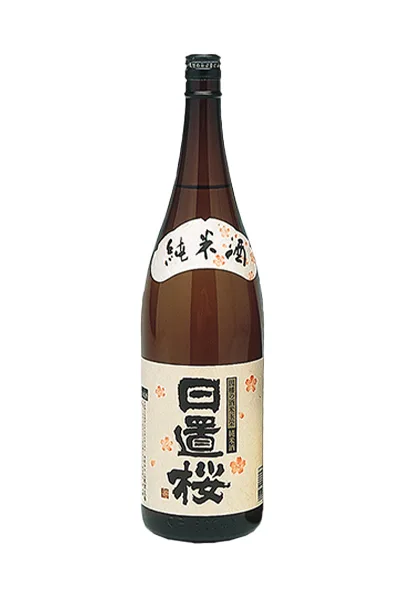
- Hiokizakura Junmai sake日置桜 純米酒
- Hiokizakura Kimoto Goriki日置桜 生酛強力
- Hiokizakura Toki no Takumi Junmai sake日置桜 時の匠 純米酒
- Hiokizakura Toki no Takumi Junmai Daiginjo日置桜 時の匠 純米大吟醸
- Hiokizakura Seisui Ryokuzan Tokubetsu Junmai日置桜 青水緑山 特別純米
- Hiokizakura Yamanejo日置桜 山根醸
- Hiokizakura Junmai Ginjo Usubeni no Mai日置桜 純米吟醸 うす紅の舞
- Hiokizakura Tenhiboshi Kome Goriki Junmai Namazake日置桜 天日干し米 強力 純米生酒
- Hiokizakura Junmai Ginjo Densho Goriki Muroka Nama Genshu日置桜 純米吟醸 伝承強力 無濾過 生原酒