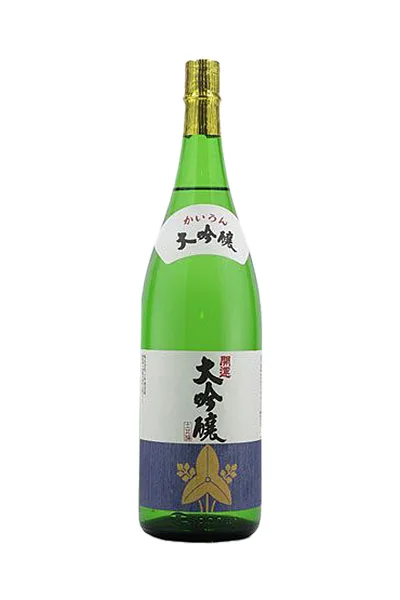
Kaiun Daiginjo
開運 大吟醸Daiginjo, rice polished to 40%
Kaiun — Doi Shuzojo, Shizuoka
When you think Kaiun, you think Daiginjo
Specifications
- Type
- Daiginjo
- Rice
- Not disclosed
- Rice polishing ratio
- 40%60% of each grain polished away
- Yeast
- Not disclosed
- Alcohol
- 16%
- Sake meter value
- +7very dry
- Acidity
- 1.2
How to read these
- Type
- The grade printed on the label. It depends on the ingredients (rice only, or with a little distilled alcohol) and on how far the rice is polished. More
- Rice
- The rice variety. Most premium sake uses varieties grown for brewing, such as Yamada Nishiki. More
- Rice polishing ratio
- How much of each grain is left after polishing. A lower number means more was milled away, which usually gives a lighter, more aromatic sake. More
- Yeast
- The yeast strain, which shapes the aroma. More
- Alcohol
- Alcohol by volume. Most sake is 15–16%; undiluted (genshu) sake is often 17–18%. More
- Sake meter value
- A sweet-to-dry scale. Plus is drier, minus is sweeter. Acidity changes how it tastes, so treat it as a rough guide. More
- Acidity
- Total acid. Higher tends to taste fuller and drier; lower tastes lighter and sweeter. More
Flavor profile Aromatic & light
Aromatic & light — fruity, floral aroma with a light body. Known in Japan as kun-shu (薫酒).
Daiginjo made from 40% polished rice, with SMV +7 and acidity 1.2, points to a clean, dry, light profile with a gentle ginjo aroma. This matches the description's emphasis on a crisp, refined taste.
Estimated by AI from the published specifications and the brewery's description; your impression may differ.
About
Our commitment to daiginjo sake goes back about 50 years. In those days, quantity mattered more than quality and low prices were valued above high quality. We were quick to take on the challenge of raising the quality of sake, and today we have reached the point where people say, 'When you think of Kaiun, you think of Daiginjo.' Yamada Nishiki from the Special A district of Hyogo Prefecture is carefully and slowly milled in-house. The moromi (fermentation mash) is brewed slowly over a long period at low temperatures, drawing out the delicate flavors of the rice. Just before finishing, a very small amount of brewing alcohol is added, resulting in a clean, crisp taste. Many people choose Kaiun Daiginjo as a gift.
Other sake from this brand 15
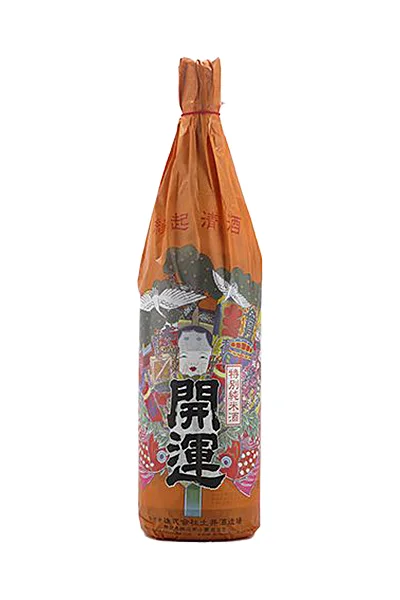
- Kaiun Tokubetsu Junmai開運 特別純米酒
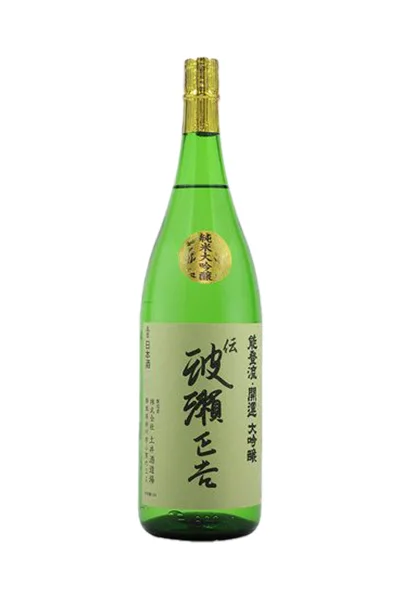
- Kaiun Den Hase Shokichi Junmai Daiginjo開運 伝 波瀬正吉 純米大吟醸
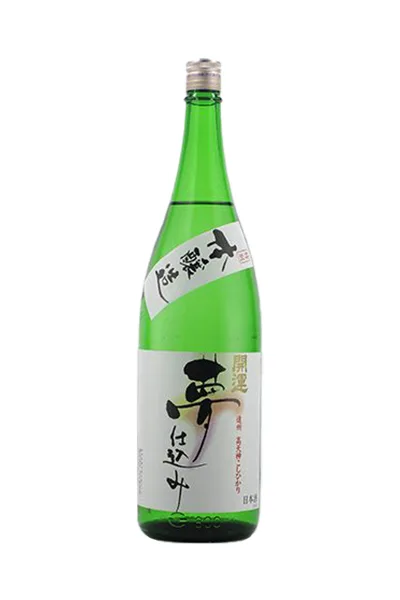
- Kaiun Yume Shikomi Ni no Sake開運 夢仕込み 弐の酒
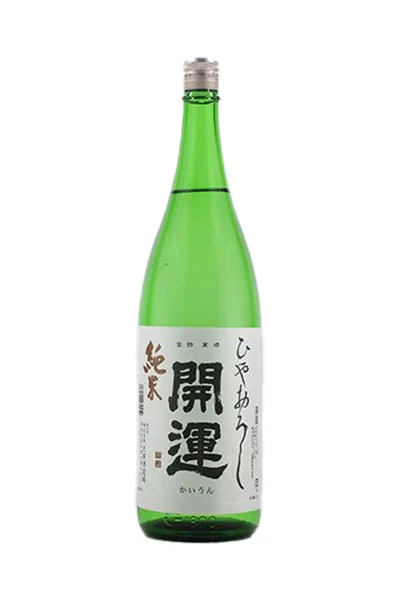
- Kaiun Hiyaoroshi Junmai開運 ひやおろし 純米
- Kaiun Tokubetsu Honjozo開運 特別本醸造
- Kaiun Muroka Junmai Nama開運 無濾過 純米 生酒
- Kaiun Hiyazume Junmai開運 ひやづめ純米
- Kaiun Junmai Daiginjo開運 純米大吟醸
- Kaiun Junmai Ginjo Yamada Nishiki開運 純米吟醸 山田錦
- Kaiun Den Hase Shokichi Daiginjo開運 伝 波瀬正吉 大吟醸
- Kaiun Junmai Ginjo Shiragiku開運 純米吟醸 白菊
- Kaiun Hase Shokichi Akaiwa Omachi開運 波瀬正吉 赤磐雄町