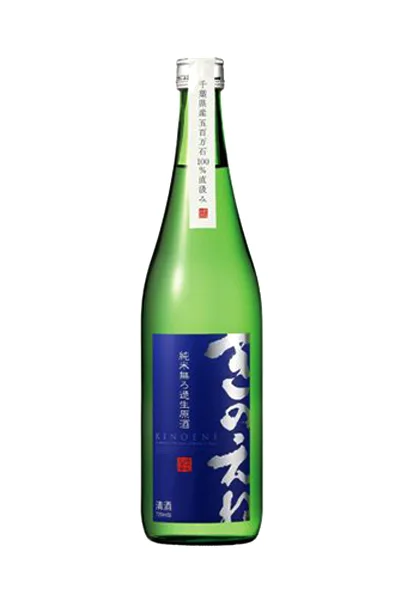
Kinoene Masamune Junmai Muroka Nama Genshu Jikagumi Gohyakumangoku
甲子 きのえね 純米 無ろ過 生原酒 直汲み 五百万石Junmai, Gohyakumangoku rice polished to 65%, unfiltered, unpasteurized, undiluted (muroka nama genshu), bottled from press (jikagumi)
Kinoene Masamune — Iinuma Honke, Chiba
Bright, lively freshness in every sip
Specifications
- Type
- Junmai Shu
- Rice
- Gohyakumangoku
- Rice polishing ratio
- 65%35% of each grain polished away
- Yeast
- Not disclosed
How to read these
- Type
- The grade printed on the label. It depends on the ingredients (rice only, or with a little distilled alcohol) and on how far the rice is polished. More
- Rice
- The rice variety. Most premium sake uses varieties grown for brewing, such as Yamada Nishiki. More
- Rice polishing ratio
- How much of each grain is left after polishing. A lower number means more was milled away, which usually gives a lighter, more aromatic sake. More
- Yeast
- The yeast strain, which shapes the aroma. More
Flavor profile Rich & umami
Rich & umami — rice-driven umami and a fuller body. Known in Japan as jun-shu (醇酒).
Junmai at 65% polishing, genshu, muroka and nama specs point to restrained rice-led aroma and a full, umami-rich body. The description's lively, fresh character suggests a moderate sweetness and a fresh, bright finish.
Estimated by AI from the published specifications and the brewery's description; your impression may differ.
About
The rice used is Gohyakumangoku grown in Chiba Prefecture. The sake was bottled so as to minimize its exposure to air. It is bursting with fresh, lively flavor.
Other sake from this brand 13
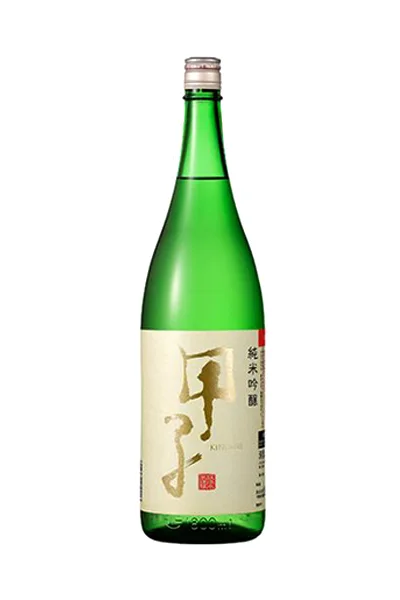
- Kinoene Junmai Ginjo甲子 純米吟醸
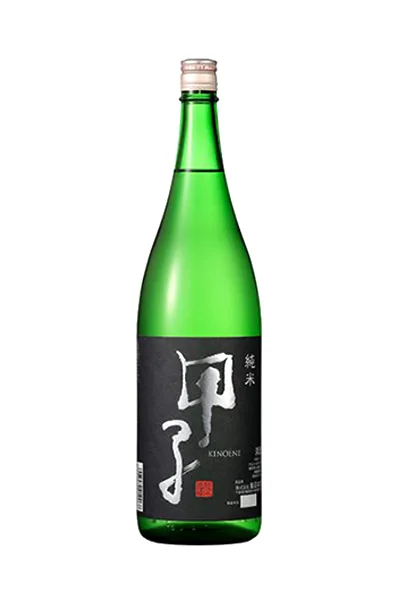
- Kinoene Junmai sake甲子 純米酒
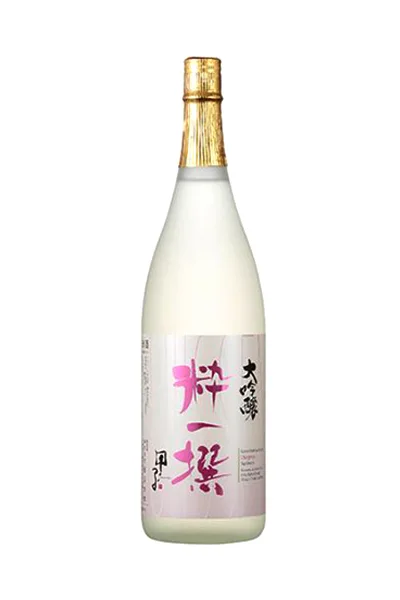
- Kinoene Masamune Daiginjo Sui Issen甲子 大吟醸 粋一撰
- Kinoene Masamune Junmai Daiginjo Aiyama Ichido Hi甲子 純米大吟醸 愛山 一度火
- Kinoene Junmai Daiginjo Nama Genshu Jikagumi甲子 きのえね 純米大吟醸 生原酒 直汲み
- Kinoene Masamune Junmai Ginjo Muroka Nama Genshu Jikagumi Himuro Bin Gakoi甲子 きのえね 純米吟醸 無ろ過 生原酒 直汲み 氷室ビン囲い
- Kinoene Masamune Junmai Ginjo Nama Genshu Gohyakumangoku甲子 純米吟醸 生原酒 五百万石
- Kinoene Masamune Junmai Kimoto Nama Genshu甲子 純米生酛 生原酒
- Kinoene Yamada Nishiki Muroka Ichido hi甲子 山田錦 無ろ過 一度火
- Kinoene Masamune Apple甲子 KINOENE APPLE
- Kinoene Junmai Daiginjo Fusakogane甲子 純米大吟醸 ふさこがね