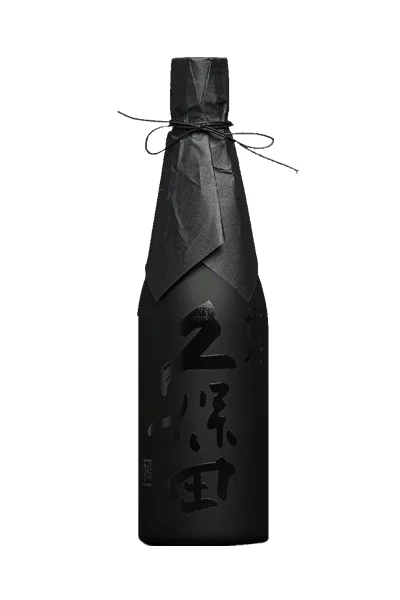
Kubota Setsuho
久保田 雪峰Junmai daiginjo, Gohyakumangoku rice polished to 50%
Kubota — Asahi Shuzo, Niigata
A deep, mellow flavor that pairs well with outdoor fare.
Specifications
- Type
- Junmai Daiginjo
- Rice
- Gohyakumangoku
- Rice polishing ratio
- 50%50% of each grain polished away
- Yeast
- Not disclosed
- Alcohol
- 16%
- Sake meter value
- +2slightly dry
- Acidity
- 1.4
How to read these
- Type
- The grade printed on the label. It depends on the ingredients (rice only, or with a little distilled alcohol) and on how far the rice is polished. More
- Rice
- The rice variety. Most premium sake uses varieties grown for brewing, such as Yamada Nishiki. More
- Rice polishing ratio
- How much of each grain is left after polishing. A lower number means more was milled away, which usually gives a lighter, more aromatic sake. More
- Yeast
- The yeast strain, which shapes the aroma. More
- Alcohol
- Alcohol by volume. Most sake is 15–16%; undiluted (genshu) sake is often 17–18%. More
- Sake meter value
- A sweet-to-dry scale. Plus is drier, minus is sweeter. Acidity changes how it tastes, so treat it as a rough guide. More
- Acidity
- Total acid. Higher tends to taste fuller and drier; lower tastes lighter and sweeter. More
Flavor profile Full & complex
Full & complex — aromatic and full-bodied, including aged sake. Known in Japan as juku-shu (熟酒).
The yamahai brewing and the described umami and acidity point to a full, mature body, while the 50% polish and daiginjo grade add moderate aroma. An SMV of +2 with acidity of 1.4 suggests a fairly dry, softly balanced sweetness.
Estimated by AI from the published specifications and the brewery's description; your impression may differ.
About
Gathering around a campfire with friends in the great outdoors and sharing sake together can deepen our sense of connection with others and with nature. Perhaps the desire for such moments is part of human instinct. Snow Peak, which has created new occasions connecting people and nature, and Asahi Shuzo, which has been nurtured by the blessings of nature and has walked alongside it, propose a new culture of enjoying sake outdoors. This sake is characterized by a finely balanced, deep flavor made with a Yamahai (traditional method of making the yeast starter) process, and it pairs well with bold, rustic outdoor cooking. It can be enjoyed at temperatures suited to the season and personal preference. When chilled, its sharp, light umami and acidity stand out; when warmed, the sweetness and acidity it inherently holds become rounder and mellower. Please enjoy it while gathered around a campfire. ※Koji rice: Gohyakumangoku 50% / Kake rice (rice added during fermentation): Niigata Prefecture-grown rice 33%
Other sake from this brand 8
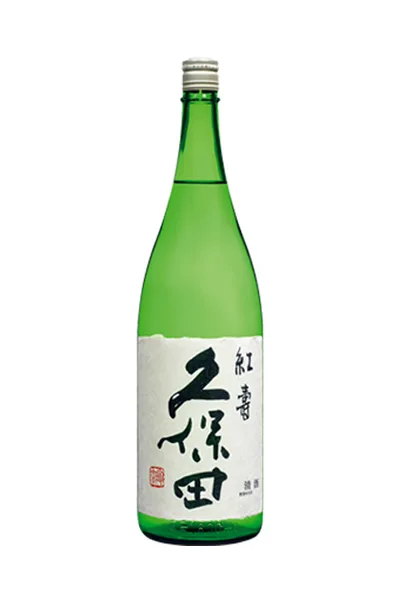
- Kubota Beni Kotobuki久保田 紅寿
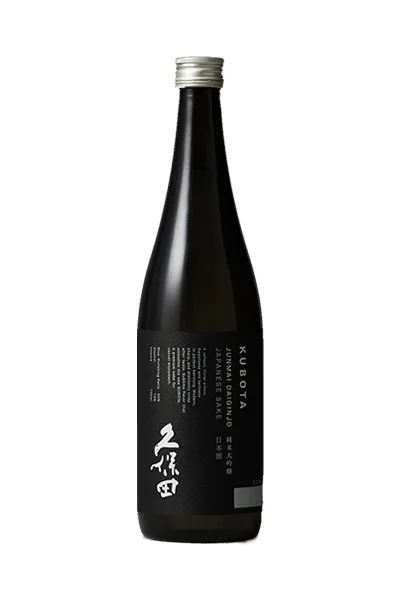
- Kubota Junmai Daiginjo久保田 純米大吟醸
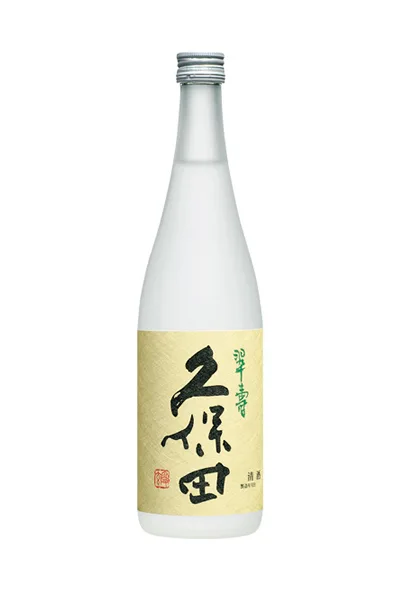
- Kubota Suiju久保田 翠寿
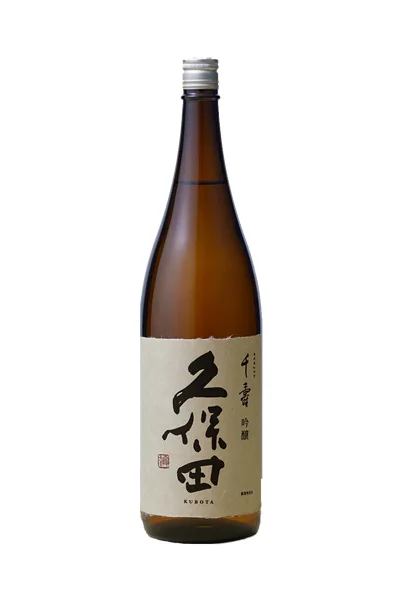
- Kubota Senju久保田 千寿
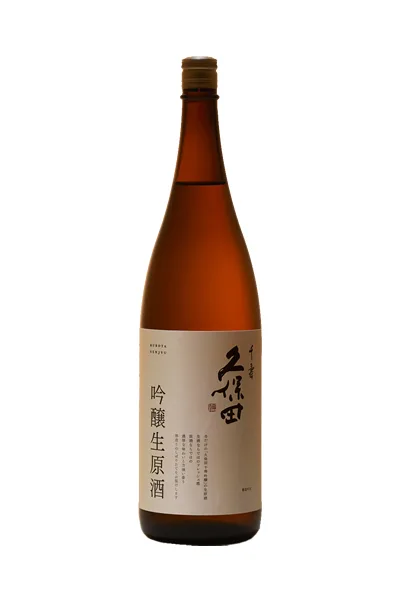
- Kubota Senju Ginjo Nama Genshu久保田 千寿 吟醸生原酒
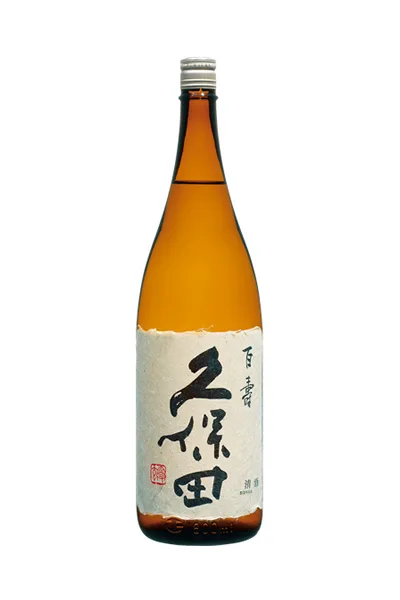
- Kubota Hyaku Kotobuki久保田 百寿
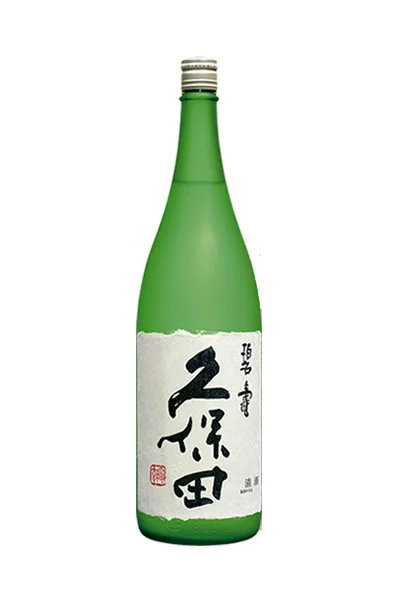
- Kubota Hekiju久保田 碧寿
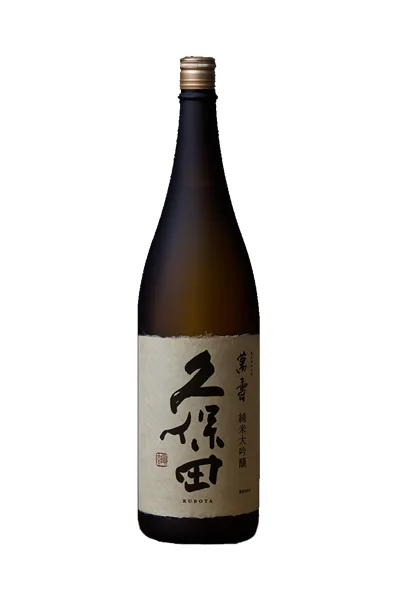
- Kubota Manju久保田 萬寿