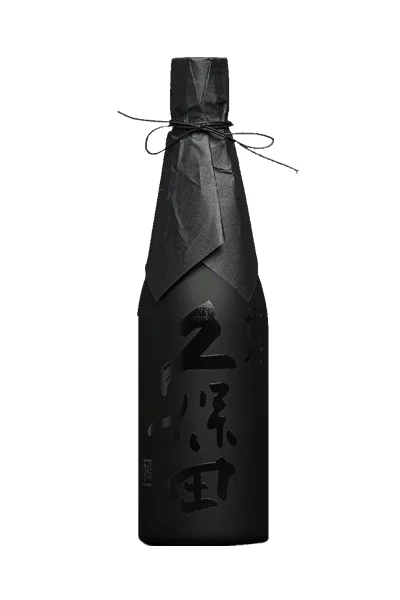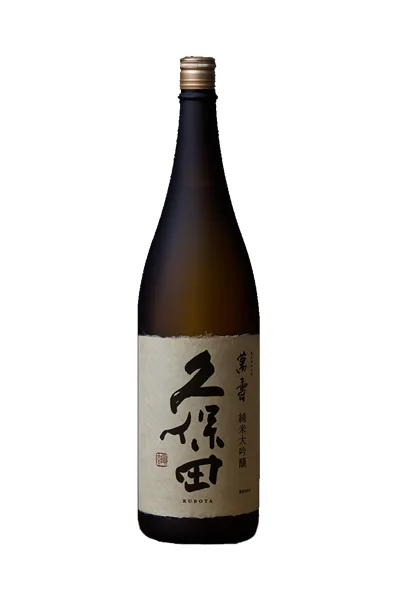
Kubota Manju
久保田 萬寿Junmai daiginjo, Gohyakumangoku rice polished to 50%
Kubota — Asahi Shuzo, Niigata
Deep, refined elegance, richer still for life's special moments
Specifications
- Type
- Junmai Daiginjo
- Rice
- Gohyakumangoku
- Rice polishing ratio
- 50%50% of each grain polished away
- Yeast
- Not disclosed
- Alcohol
- 15%
- Sake meter value
- +2slightly dry
- Acidity
- 1.2
How to read these
- Type
- The grade printed on the label. It depends on the ingredients (rice only, or with a little distilled alcohol) and on how far the rice is polished. More
- Rice
- The rice variety. Most premium sake uses varieties grown for brewing, such as Yamada Nishiki. More
- Rice polishing ratio
- How much of each grain is left after polishing. A lower number means more was milled away, which usually gives a lighter, more aromatic sake. More
- Yeast
- The yeast strain, which shapes the aroma. More
- Alcohol
- Alcohol by volume. Most sake is 15–16%; undiluted (genshu) sake is often 17–18%. More
- Sake meter value
- A sweet-to-dry scale. Plus is drier, minus is sweeter. Acidity changes how it tastes, so treat it as a rough guide. More
- Acidity
- Total acid. Higher tends to taste fuller and drier; lower tastes lighter and sweeter. More
Flavor profile Full & complex
Full & complex — aromatic and full-bodied, including aged sake. Known in Japan as juku-shu (熟酒).
The description stresses a floral aroma with a deep, layered palate, and the 50% polish supports a high-aroma, full-bodied profile. Low acidity of 1.2 and an SMV of +2 point to a soft, gently sweet impression rather than a dry one.
Estimated by AI from the published specifications and the brewery's description; your impression may differ.
About
Kubota Manju was released in 1986. Since its launch, it has graced the special anniversaries of many customers, and its flavor has been continually refined to suit those moments. Its signature is the harmony of depth of flavor and aroma, which the brewery continues to pursue. By improving the precision of koji (rice mold) making, Manju gained the fuller, softer body unique to it, and its depth increased. To draw out a bright aroma that harmonizes with that depth, the sake is heated and then rapidly cooled during pasteurization (hiire), and the storage temperature has been lowered by 5°C compared with before, so the refined brightness of the aroma can be fully experienced. A junmai daiginjo sake in which bright aromas and a weighty flavor come together, offering a complex, deep mouthfeel. Within the soft, rounded fullness born from koji, umami, sweetness, and acidity are in harmony, and a pleasant aftertaste lingers down to the throat, adorning a fine moment. Paired with dishes that draw out a refined umami, the two elevate each other.
Other sake from this brand 8
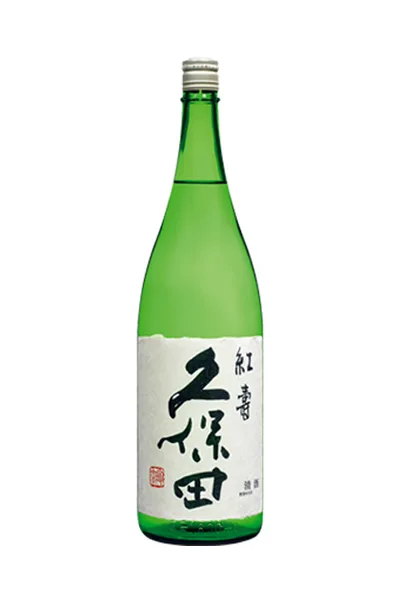
- Kubota Beni Kotobuki久保田 紅寿
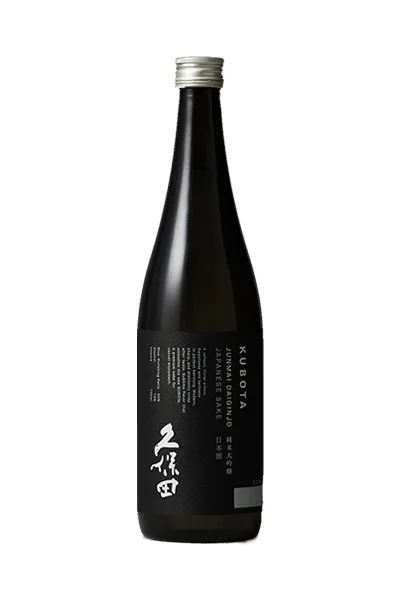
- Kubota Junmai Daiginjo久保田 純米大吟醸
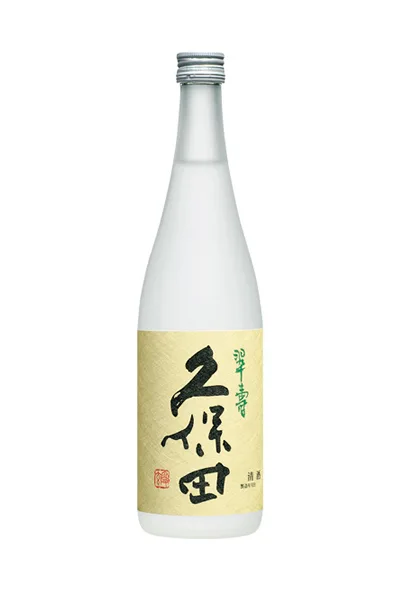
- Kubota Suiju久保田 翠寿
- Kubota Setsuho久保田 雪峰
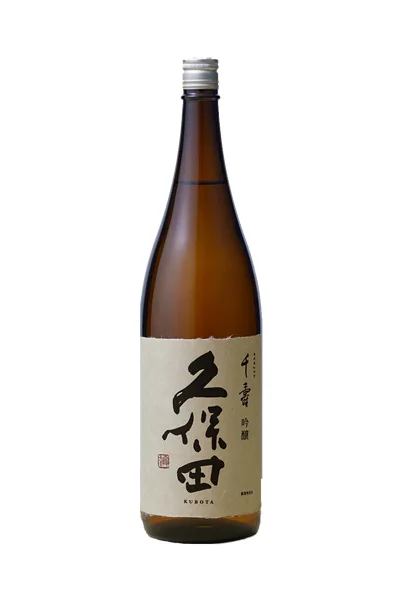
- Kubota Senju久保田 千寿
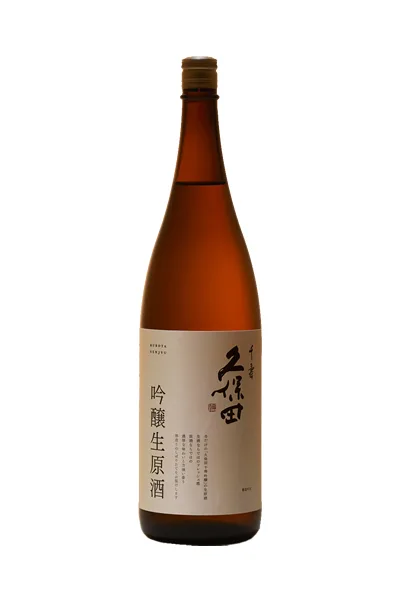
- Kubota Senju Ginjo Nama Genshu久保田 千寿 吟醸生原酒
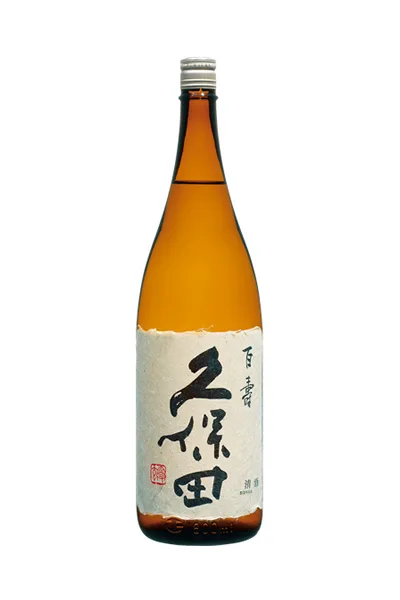
- Kubota Hyaku Kotobuki久保田 百寿
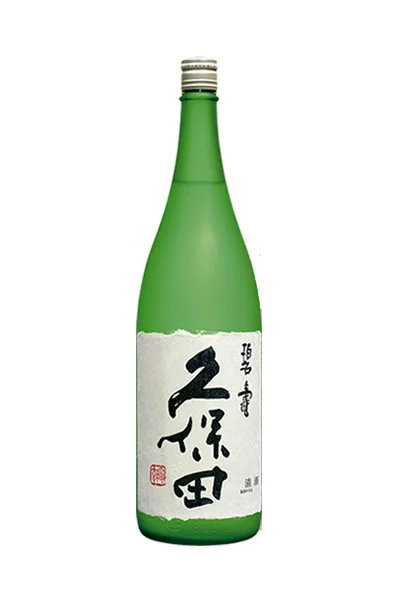
- Kubota Hekiju久保田 碧寿