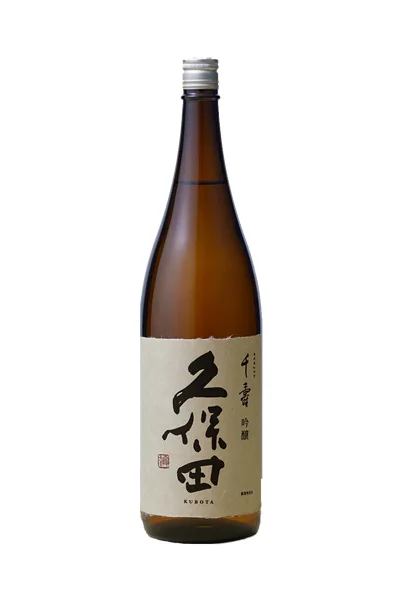
Kubota Senju
久保田 千寿Ginjo, Gohyakumangoku rice polished to 50%
Kubota — Asahi Shuzo, Niigata
Clean and light, making everyday meals special A refined Senju for the table
Specifications
- Type
- Ginjo
- Rice
- Gohyakumangoku
- Rice polishing ratio
- 50%50% of each grain polished away
- Yeast
- Kyokai No. 9
- Alcohol
- 15%
- Sake meter value
- +5dry
- Acidity
- 1.1
How to read these
- Type
- The grade printed on the label. It depends on the ingredients (rice only, or with a little distilled alcohol) and on how far the rice is polished. More
- Rice
- The rice variety. Most premium sake uses varieties grown for brewing, such as Yamada Nishiki. More
- Rice polishing ratio
- How much of each grain is left after polishing. A lower number means more was milled away, which usually gives a lighter, more aromatic sake. More
- Yeast
- The yeast strain, which shapes the aroma. More
- Alcohol
- Alcohol by volume. Most sake is 15–16%; undiluted (genshu) sake is often 17–18%. More
- Sake meter value
- A sweet-to-dry scale. Plus is drier, minus is sweeter. Acidity changes how it tastes, so treat it as a rough guide. More
- Acidity
- Total acid. Higher tends to taste fuller and drier; lower tastes lighter and sweeter. More
Flavor profile Clean & dry
Clean & dry — restrained aroma, crisp and refreshing. Known in Japan as so-shu (爽酒).
The text stresses a clean, light character, and the ginjo grade with 50% polishing, SMV +5 and low acidity of 1.1 points to a gentle, restrained aroma, a light body and a subtly sweet, dry-leaning finish.
Estimated by AI from the published specifications and the brewery's description; your impression may differ.
About
Kubota Senju was the first product created in 1985 alongside the launch of the Kubota brand, and it is the very origin of Kubota. Observing how the foundation of work for Japanese people living in cities was shifting from physical labor to intellectual labor, the brewers aimed for Tanrei karakuchi (light and dry). They fundamentally improved the brewing process and achieved a style that, at the time, was not for everyone: a clean, light dry sake that nonetheless conveyed a mellow character. Thirty-five years later, the brewers continued to pursue an even cleaner style that pairs well with food, in keeping with the times. Fermentation was carefully managed at low temperatures with high precision, reducing off-flavors and enhancing crispness. By maximizing the work of koji, they added depth and range to the flavor while keeping the clean, crisp, light character. A ginjo sake designed to be enjoyed with meals, finished with a clean, crisp, light flavor and a gentle aroma that brings a touch of specialness to everyday dining. Its clean finish slides smoothly down the throat, and within that crispness one can taste the natural umami and acidity of the rice, along with a subtle lingering finish and sweetness. It does not overpower the flavors of a dish, instead enhancing the taste and aroma of seasonal ingredients.
Other sake from this brand 8
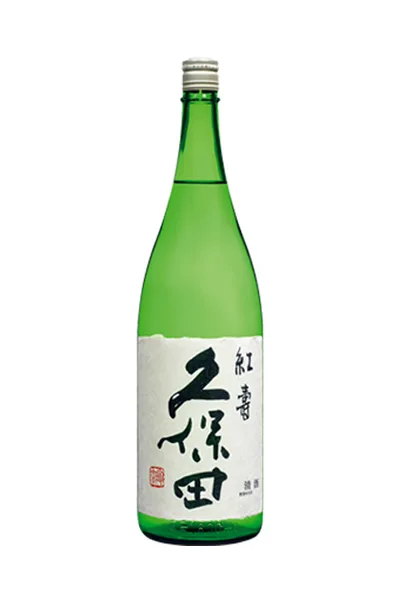
- Kubota Beni Kotobuki久保田 紅寿
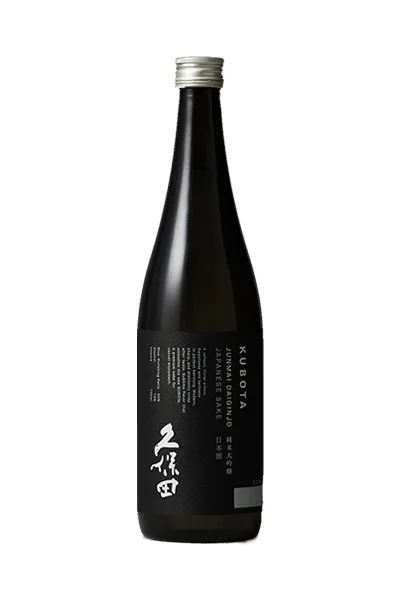
- Kubota Junmai Daiginjo久保田 純米大吟醸
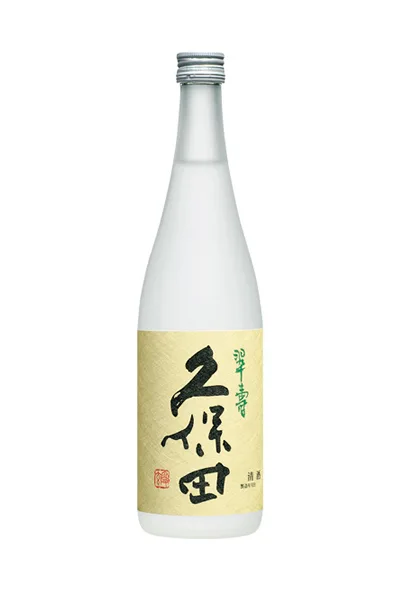
- Kubota Suiju久保田 翠寿
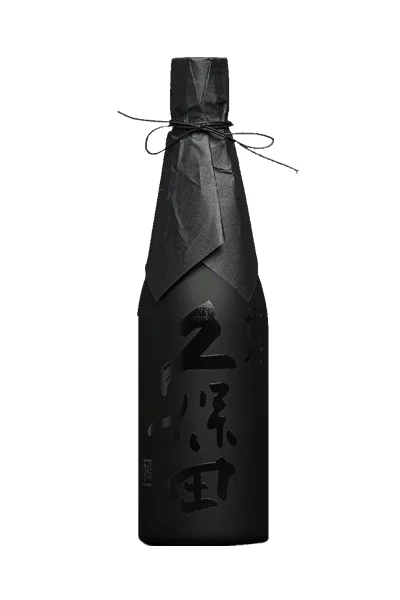
- Kubota Setsuho久保田 雪峰
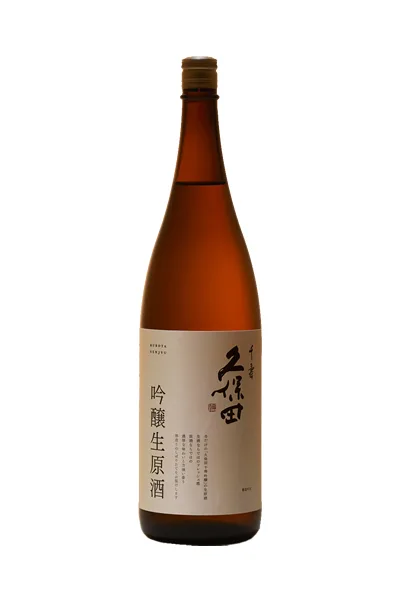
- Kubota Senju Ginjo Nama Genshu久保田 千寿 吟醸生原酒
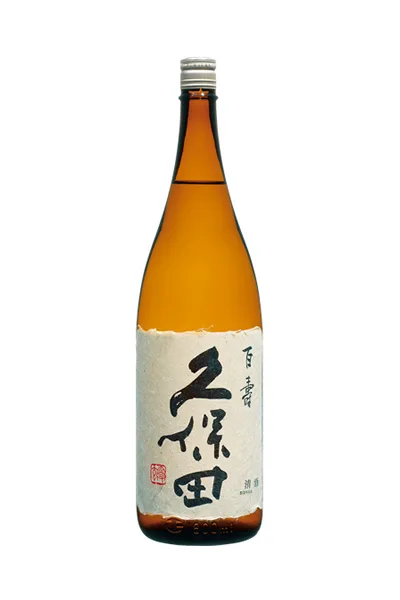
- Kubota Hyaku Kotobuki久保田 百寿
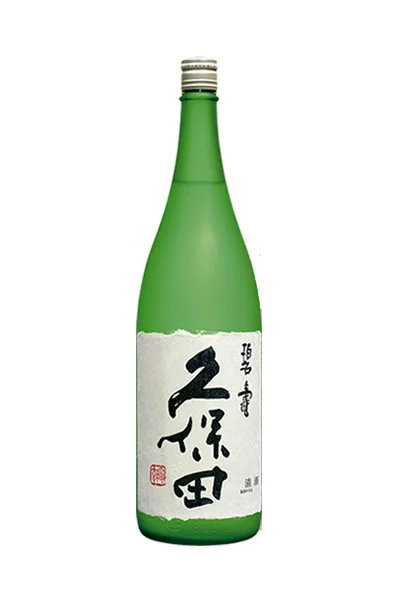
- Kubota Hekiju久保田 碧寿
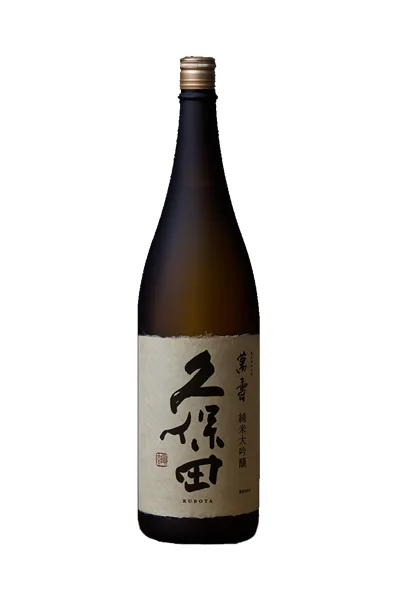
- Kubota Manju久保田 萬寿