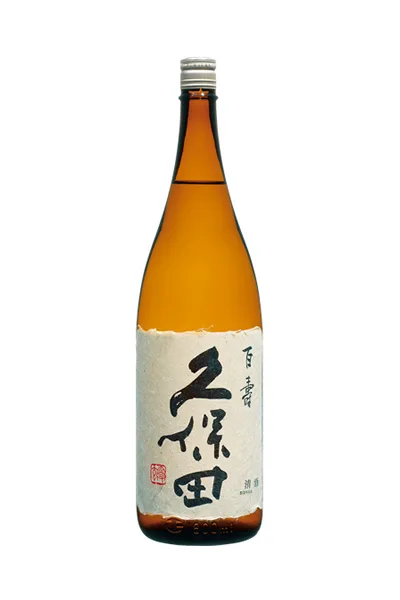
Kubota Hyaku Kotobuki
久保田 百寿Tokubetsu honjozo, Gohyakumangoku rice polished to 60%
Kubota — Asahi Shuzo, Niigata
The essential Kubota: dry and never tiresome to drink
Specifications
- Type
- Tokubetsu Honjozo
- Rice
- Gohyakumangoku
- Rice polishing ratio
- 60%40% of each grain polished away
- Yeast
- Not disclosed
- Alcohol
- 15%
- Sake meter value
- +5dry
- Acidity
- 1
How to read these
- Type
- The grade printed on the label. It depends on the ingredients (rice only, or with a little distilled alcohol) and on how far the rice is polished. More
- Rice
- The rice variety. Most premium sake uses varieties grown for brewing, such as Yamada Nishiki. More
- Rice polishing ratio
- How much of each grain is left after polishing. A lower number means more was milled away, which usually gives a lighter, more aromatic sake. More
- Yeast
- The yeast strain, which shapes the aroma. More
- Alcohol
- Alcohol by volume. Most sake is 15–16%; undiluted (genshu) sake is often 17–18%. More
- Sake meter value
- A sweet-to-dry scale. Plus is drier, minus is sweeter. Acidity changes how it tastes, so treat it as a rough guide. More
- Acidity
- Total acid. Higher tends to taste fuller and drier; lower tastes lighter and sweeter. More
Flavor profile Clean & dry
Clean & dry — restrained aroma, crisp and refreshing. Known in Japan as so-shu (爽酒).
The SMV of +5, low acidity of 1.0, and description of restrained aroma and a crisp, dry finish point to a light, low-aroma profile with little sweetness. The mention of full-bodied acidity and spice adds modest richness.
Estimated by AI from the published specifications and the brewery's description; your impression may differ.
About
Restrained in aroma and finished to be dry and never tiresome to drink, this Tokubetsu Honjozo is the basic form of Kubota. It has a full, rounded spiciness and acidity, and the finish leaves a sense of dryness. It pairs well with simple dishes, and its clean finish, which does not tire the palate, means it can also be enjoyed on its own.
Other sake from this brand 8
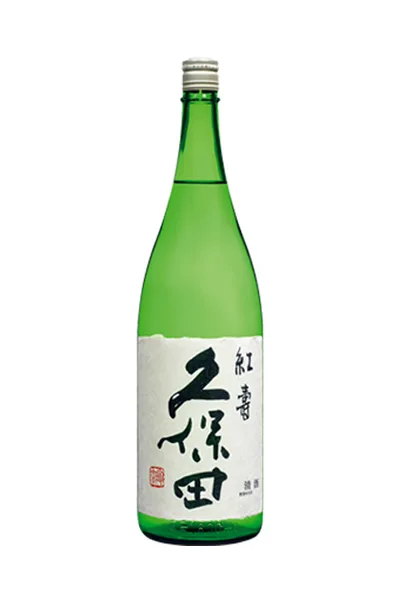
- Kubota Beni Kotobuki久保田 紅寿
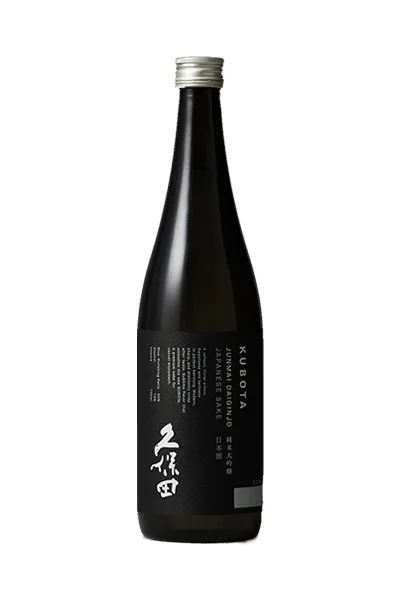
- Kubota Junmai Daiginjo久保田 純米大吟醸
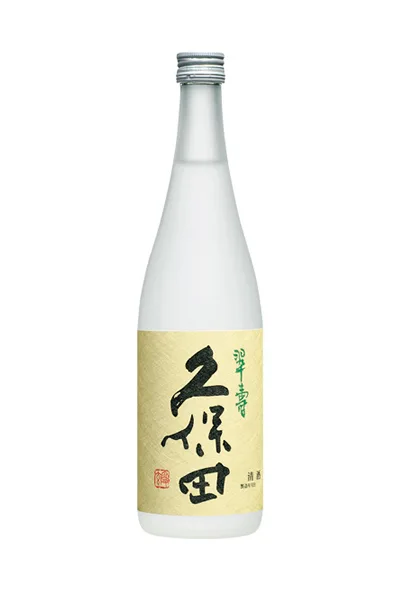
- Kubota Suiju久保田 翠寿
- Kubota Setsuho久保田 雪峰
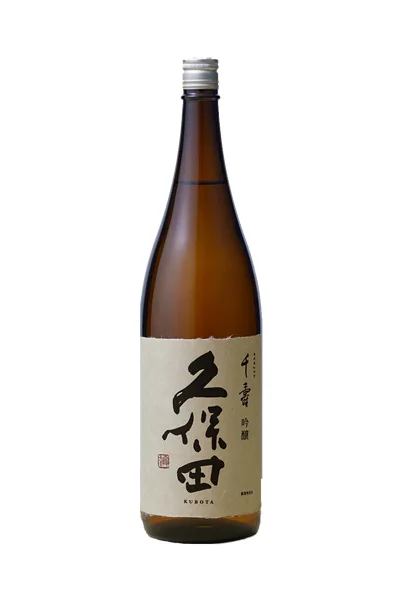
- Kubota Senju久保田 千寿
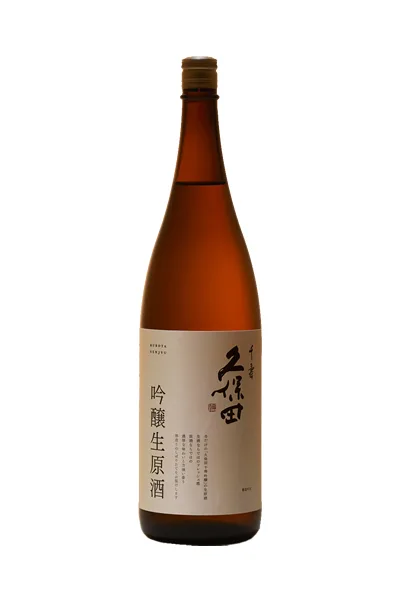
- Kubota Senju Ginjo Nama Genshu久保田 千寿 吟醸生原酒
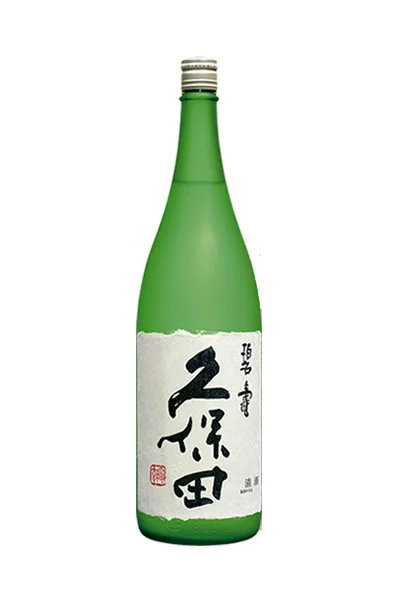
- Kubota Hekiju久保田 碧寿
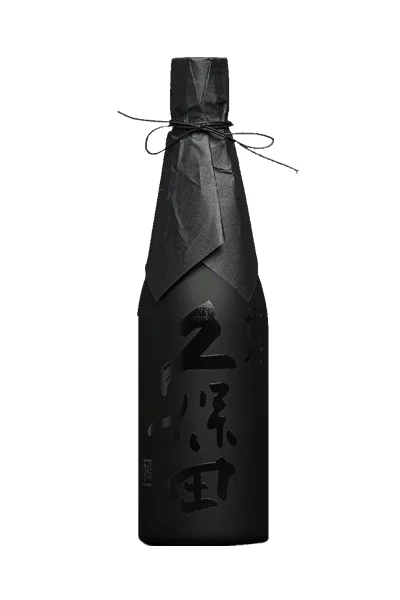
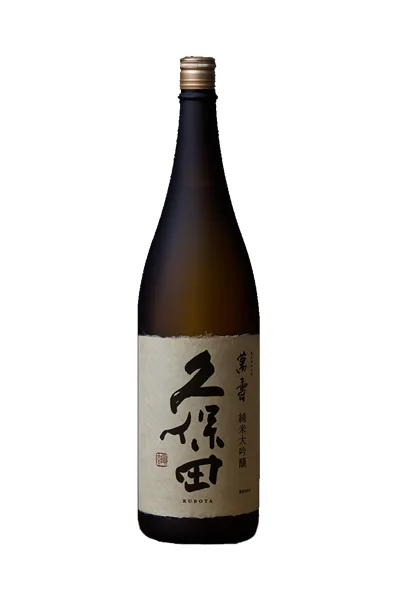
- Kubota Manju久保田 萬寿