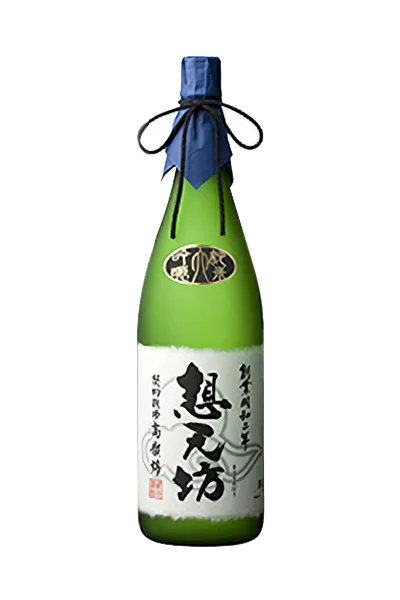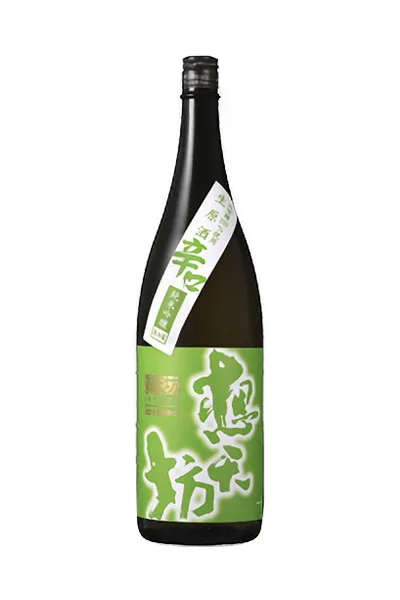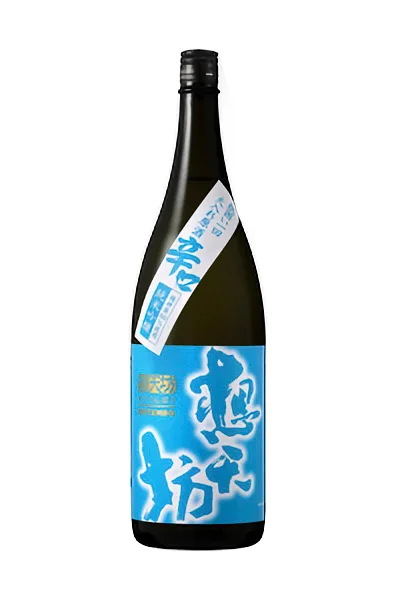
Sotembo Koshikagura Dry Junmai Ginjo Binkakoi Ikkai Hiire Genshu
想天坊 越神楽 辛口純米吟醸 瓶囲い一回火入れ原酒Junmai ginjo, rice polished to 58%, pasteurized once, undiluted (genshu), dry, stored in bottles
Sotembo — Kawachu Shuzo, Niigata
Pasteurized once at bottling for a refreshing, gentle drinking experience.
Specifications
- Type
- Junmai Ginjo
- Rice
- Not disclosed
- Rice polishing ratio
- 58%42% of each grain polished away
- Yeast
- Not disclosed
- Alcohol
- 16.5%
- Sake meter value
- +7–+8very dry
- Acidity
- 1.4
How to read these
- Type
- The grade printed on the label. It depends on the ingredients (rice only, or with a little distilled alcohol) and on how far the rice is polished. More
- Rice
- The rice variety. Most premium sake uses varieties grown for brewing, such as Yamada Nishiki. More
- Rice polishing ratio
- How much of each grain is left after polishing. A lower number means more was milled away, which usually gives a lighter, more aromatic sake. More
- Yeast
- The yeast strain, which shapes the aroma. More
- Alcohol
- Alcohol by volume. Most sake is 15–16%; undiluted (genshu) sake is often 17–18%. More
- Sake meter value
- A sweet-to-dry scale. Plus is drier, minus is sweeter. Acidity changes how it tastes, so treat it as a rough guide. More
- Acidity
- Total acid. Higher tends to taste fuller and drier; lower tastes lighter and sweeter. More
Flavor profile Aromatic & light
Aromatic & light — fruity, floral aroma with a light body. Known in Japan as kun-shu (薫酒).
A junmai ginjo polished to 58% with SMV 7 to 8 and acidity 1.4 points to a dry, clean profile with moderate aroma, matching the text's refreshing, gentle drinking character. The 16.5% genshu alcohol adds some body and texture.
Estimated by AI from the published specifications and the brewery's description; your impression may differ.
About
This Koshikagura was bred by the Hokuriku Research Center of the Central Region Agricultural Research Center of the National Agriculture and Food Research Organization (NARO). The aim was to balance cultivation traits with brewing suitability, and it was developed from a cross between the sake rice varieties Yamada Nishiki and Hokuriku No. 174. Through joint research with Hara Shuzo Co., Ltd. (Kashiwazaki, Niigata Prefecture), its brewing suitability was examined and a new sake was commercialized. Because its brewing suitability was recognized, an application for variety registration was filed on August 27, 2007 (Heisei 19). This season it is available again, and in pursuit of further refinement of our craft, we have taken on yet another challenge.
Other sake from this brand 19
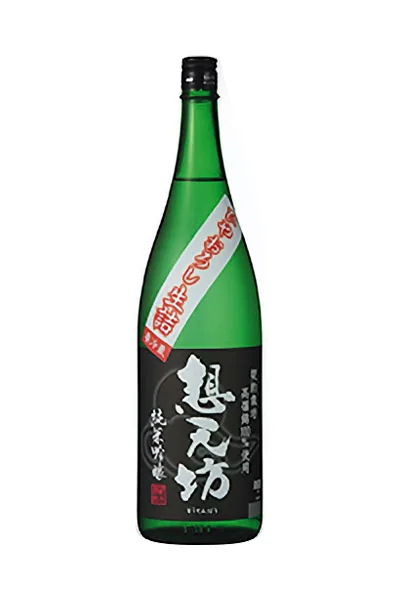
- Sotembo Echigo Takane Nishiki Junmai Ginjo Hiyaoroshi想天坊 越後高嶺錦 純米吟醸 ひやおろし
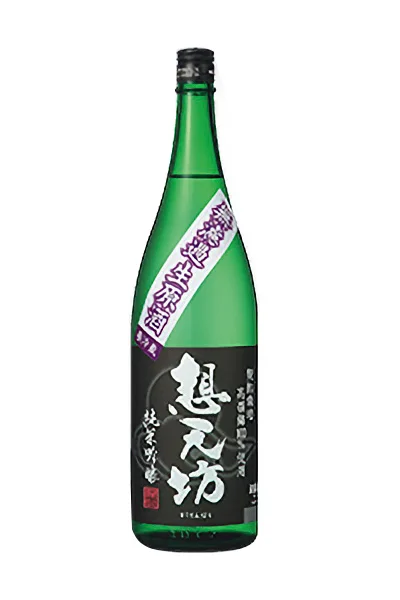
- Sotembo Echigo Takane Nishiki Junmai Ginjo Muroka Nama Genshu想天坊 越後高嶺錦 純米吟醸 無濾過生原酒
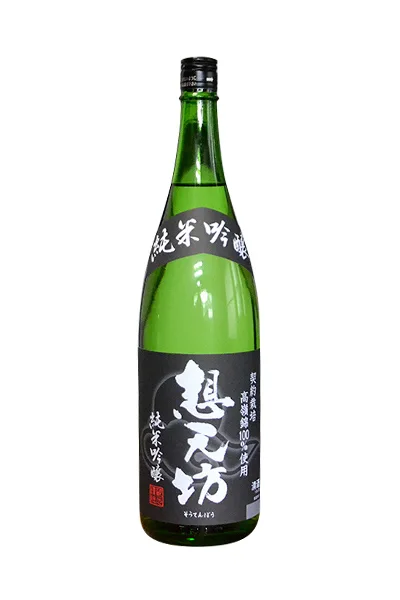
- Sotembo Echigo Takane Nishiki Junmai Ginjo想天坊 越後高嶺錦 純米吟醸
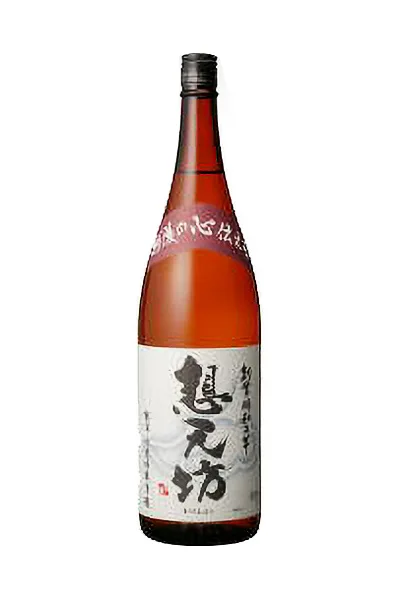
- Futsushu Echigo no Kokoro Tsutaeru Sotembo普通酒 越後の心伝える想天坊
- Sotembo Futsushu Dai-karakuchi想天坊 普通酒 大辛口
- Sotembo Honjozo想天坊 本醸造
- Sotembo Junmai Shu想天坊 純米酒
- Sotembo Koshitanrei Daiginjo想天坊 越淡麗 大吟醸
- Sotembo Takane Nishiki Junmai Daiginjo想天坊 高嶺錦 純米大吟醸
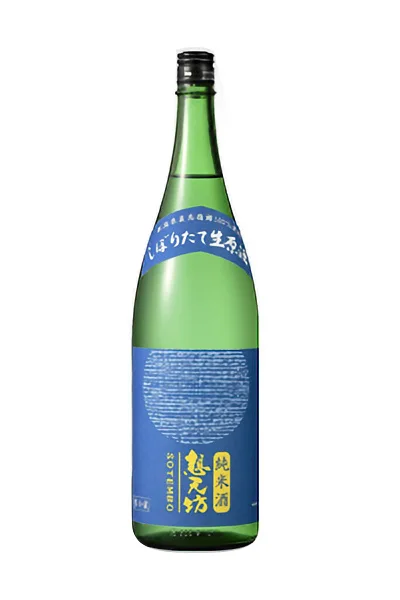
- Sotembo Junmai Shiboritate Nama Genshu想天坊 純米 しぼりたて生原酒
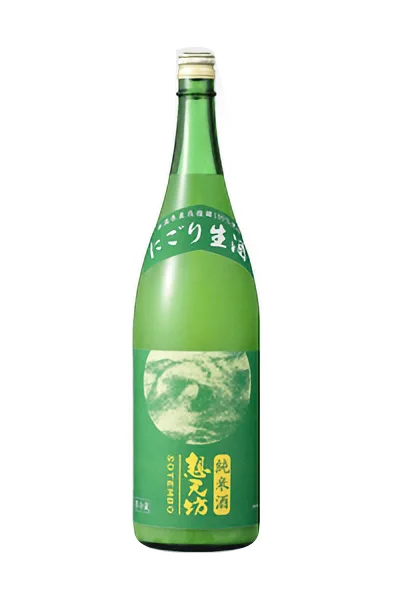
- Sotembo Junmai Nigori Namazake想天坊 純米 にごり生酒
- Sotembo Yamada Nishiki Dry Junmai Ginjo Nama Genshu想天坊 山田錦 辛口 純米吟醸 生原酒