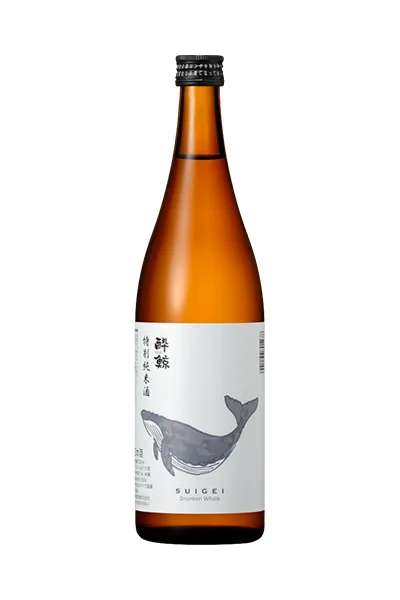
Suigei Tokubetsu Junmai
酔鯨 特別純米酒Tokubetsu junmai, rice polished to 55%
Suigei — Suigei Shuzo, Kochi
A junmai sake made for the table: rich, layered umami and a crisp finish that pair naturally with food.
Specifications
- Type
- Tokubetsu Junmai
- Rice
- Not disclosed
- Rice polishing ratio
- 55%45% of each grain polished away
- Yeast
- Not disclosed
- Alcohol
- 15%
- Sake meter value
- +7very dry
- Acidity
- 1.7
How to read these
- Type
- The grade printed on the label. It depends on the ingredients (rice only, or with a little distilled alcohol) and on how far the rice is polished. More
- Rice
- The rice variety. Most premium sake uses varieties grown for brewing, such as Yamada Nishiki. More
- Rice polishing ratio
- How much of each grain is left after polishing. A lower number means more was milled away, which usually gives a lighter, more aromatic sake. More
- Yeast
- The yeast strain, which shapes the aroma. More
- Alcohol
- Alcohol by volume. Most sake is 15–16%; undiluted (genshu) sake is often 17–18%. More
- Sake meter value
- A sweet-to-dry scale. Plus is drier, minus is sweeter. Acidity changes how it tastes, so treat it as a rough guide. More
- Acidity
- Total acid. Higher tends to taste fuller and drier; lower tastes lighter and sweeter. More
Flavor profile Rich & umami
Rich & umami — rice-driven umami and a fuller body. Known in Japan as jun-shu (醇酒).
The brewery text describes restrained aroma with a full umami base and a crisp finish, and SMV +7 with acidity 1.7 points to a dry, moderately full profile. This places it in the jun (restrained, rich) quadrant with low sweetness.
Estimated by AI from the published specifications and the brewery's description; your impression may differ.
About
The rice is polished to a rice polishing ratio of 55% to bring out its natural qualities. The characteristics of the raw rice vary by growing region and variety. We carefully assessed these traits and adjusted our brewing and moromi (fermentation mash) management accordingly. For the koji (malted rice) we aimed for a robust, vigorous koji, and we brewed slowly at low temperatures with Kumamoto yeast and spring water from the headwaters of the Kagami River. After pressing, the sake is stored in low-temperature tanks and bottled as needed to match shipment volumes. This junmai sake combines the umami of the rice with a clean, crisp finish. The aroma is deliberately restrained. It has the distinctive acidity characteristic of Suigei, and it finishes clean despite its breadth of flavor. It pairs well with food and is an ideal accompaniment to a meal.
Other sake from this brand 21
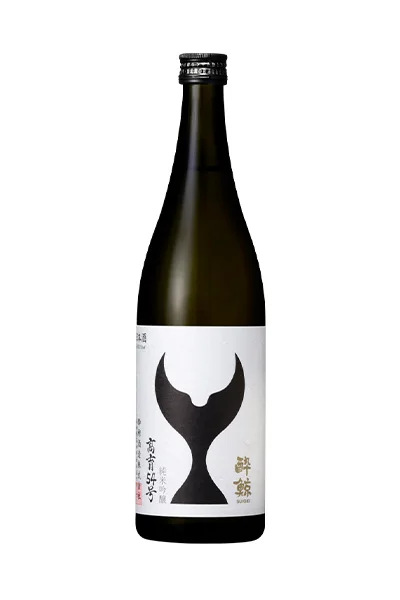
- Suigei Junmai Ginjo Koiku 54 Go酔鯨 純米吟醸 高育54号
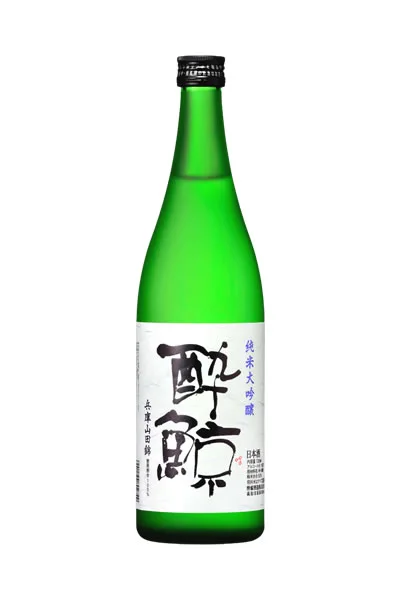
- Suigei Junmai Daiginjo Yamada Nishiki酔鯨 純米大吟醸 山田錦
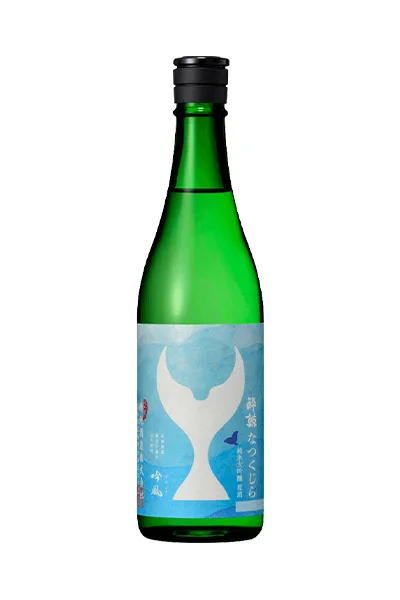
- Suigei Natsukujira酔鯨 なつくじら
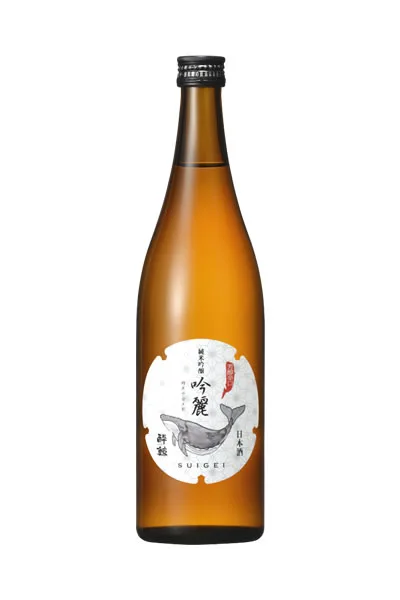
- Suigei Junmai Ginjo Ginrei酔鯨 純米吟醸 吟麗
- Suigei Junmai Ginjo Geikai Suiko酔鯨 純米吟醸 鯨海酔候
- Suigei Junmai Ginjo Arabashiri酔鯨 純米吟醸酒 荒走り
- Suigei Junmai Ginjo Ginju Usunigori酔鯨 純米吟醸 吟寿 うすにごり
- Suigei Ginjo Kochi Yeast酔鯨 吟醸 高知酵母
- Suigei Junmai Daiginjo Yamada Nishiki Suppin酔鯨 純米大吟醸 山田錦 すっぴん
- Suigei Nakadori Junmai sake酔鯨 中取り純米酒
- Suigei Junmai Ginjo Okayama Omachi酔鯨 純米吟醸 岡山雄町
- Suigei Daiginjo Koshi Sannen酔鯨 大吟醸 越三年