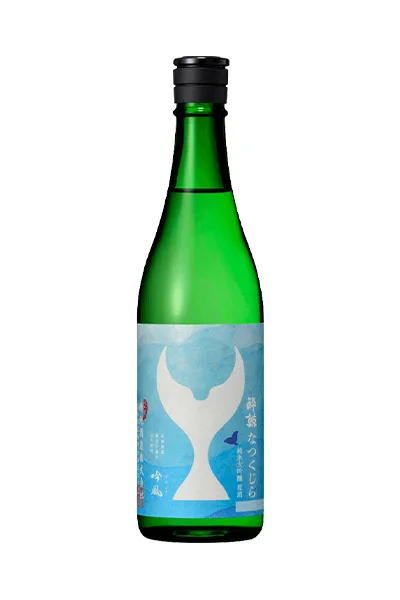
Suigei Natsukujira
酔鯨 なつくじらJunmai ginjo, rice polished to 50%
Suigei — Suigei Shuzo, Kochi
A summer sake with a sparkling, heady drift. A limited-time, rich-flavored Junmai Daiginjo.
Specifications
- Type
- Junmai Ginjo
- Rice
- Not disclosed
- Rice polishing ratio
- 50%50% of each grain polished away
- Yeast
- Not disclosed
- Alcohol
- 17%
- Sake meter value
- +7very dry
- Acidity
- 2
How to read these
- Type
- The grade printed on the label. It depends on the ingredients (rice only, or with a little distilled alcohol) and on how far the rice is polished. More
- Rice
- The rice variety. Most premium sake uses varieties grown for brewing, such as Yamada Nishiki. More
- Rice polishing ratio
- How much of each grain is left after polishing. A lower number means more was milled away, which usually gives a lighter, more aromatic sake. More
- Yeast
- The yeast strain, which shapes the aroma. More
- Alcohol
- Alcohol by volume. Most sake is 15–16%; undiluted (genshu) sake is often 17–18%. More
- Sake meter value
- A sweet-to-dry scale. Plus is drier, minus is sweeter. Acidity changes how it tastes, so treat it as a rough guide. More
- Acidity
- Total acid. Higher tends to taste fuller and drier; lower tastes lighter and sweeter. More
Flavor profile Full & complex
Full & complex — aromatic and full-bodied, including aged sake. Known in Japan as juku-shu (熟酒).
The described pineapple-like ginjo aroma and rich flavor point to a fragrant profile with a fuller body. SMV +7 and acidity 2.0 keep the palate dry and well-defined.
Estimated by AI from the published specifications and the brewery's description; your impression may differ.
About
The sake rice used, Ginpu, is cultivated only within Hokkaido, and in recent years both its planting volume and its reputation have been rising. This product is a renewal of the Junmai Ginjo Natsukujira Genshu (undiluted). It draws out the character of Ginpu to the fullest and is slowly brewed with Kochi yeast AC-17, offering a rich flavor to be fully enjoyed. To preserve the fresh aroma, the sake is bottled immediately after pressing (joso). Ginpu inherits the clean, crisp taste characteristic of its parent variety, Hattan Nishiki. To draw out the character of Ginpu to the fullest and enjoy it as a summer sake, the dry taste is kept as it is, while the sake is finished as a rich style in which a pineapple-like ginjo aroma can be enjoyed. It is a bottle to enjoy during the hot summer months.
Other sake from this brand 21
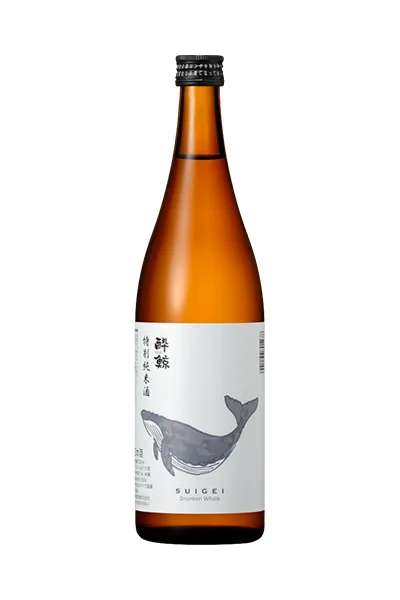
- Suigei Tokubetsu Junmai酔鯨 特別純米酒
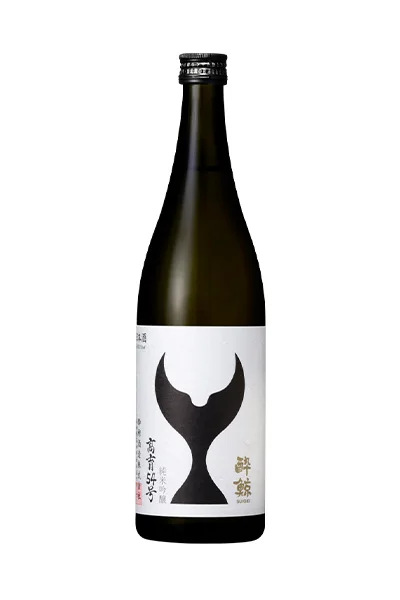
- Suigei Junmai Ginjo Koiku 54 Go酔鯨 純米吟醸 高育54号
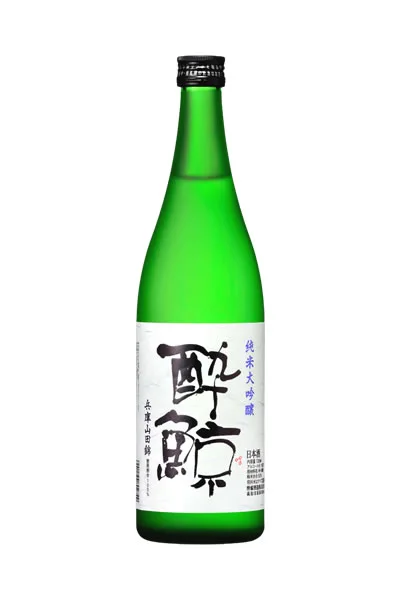
- Suigei Junmai Daiginjo Yamada Nishiki酔鯨 純米大吟醸 山田錦
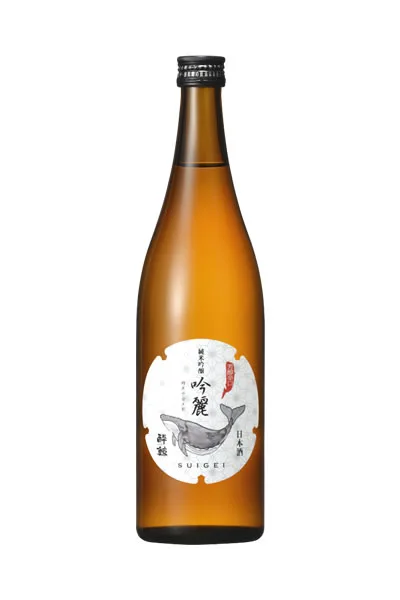
- Suigei Junmai Ginjo Ginrei酔鯨 純米吟醸 吟麗
- Suigei Junmai Ginjo Geikai Suiko酔鯨 純米吟醸 鯨海酔候
- Suigei Junmai Ginjo Arabashiri酔鯨 純米吟醸酒 荒走り
- Suigei Junmai Ginjo Ginju Usunigori酔鯨 純米吟醸 吟寿 うすにごり
- Suigei Ginjo Kochi Yeast酔鯨 吟醸 高知酵母
- Suigei Junmai Daiginjo Yamada Nishiki Suppin酔鯨 純米大吟醸 山田錦 すっぴん
- Suigei Nakadori Junmai sake酔鯨 中取り純米酒
- Suigei Junmai Ginjo Okayama Omachi酔鯨 純米吟醸 岡山雄町
- Suigei Daiginjo Koshi Sannen酔鯨 大吟醸 越三年