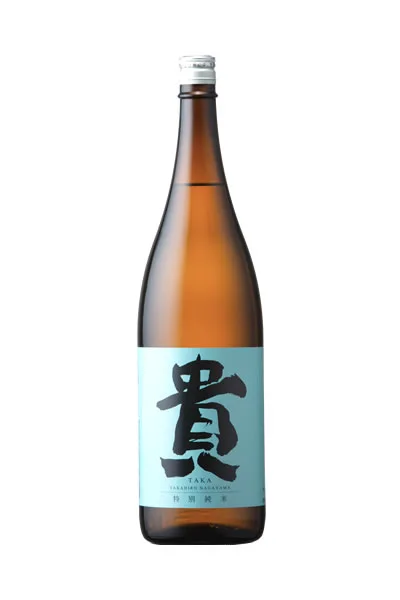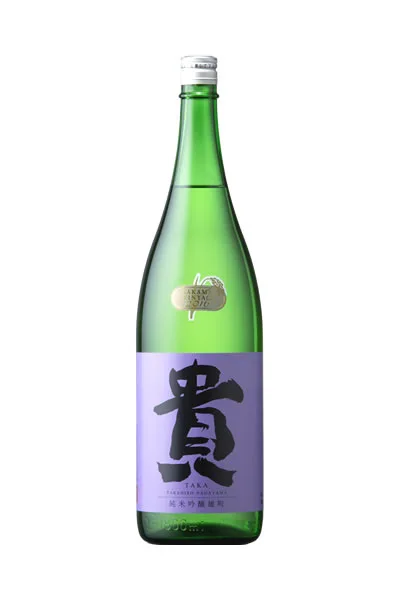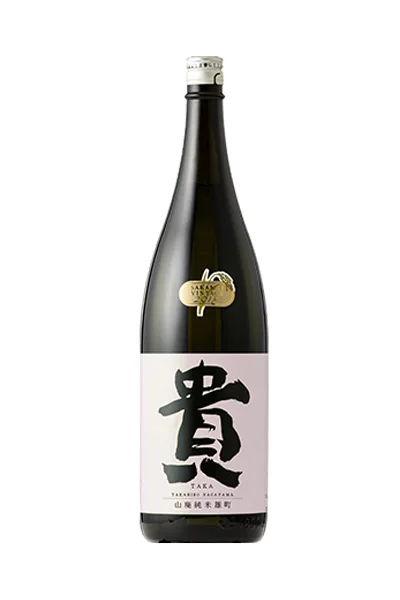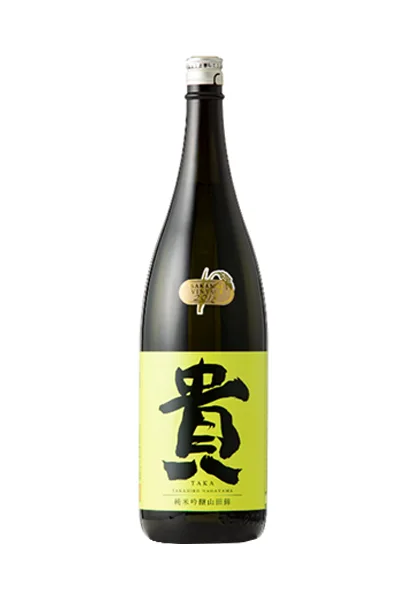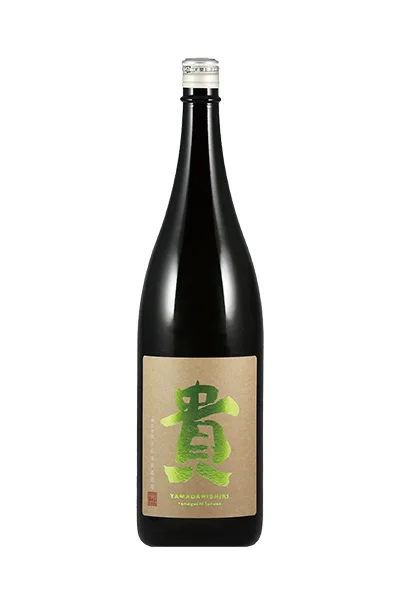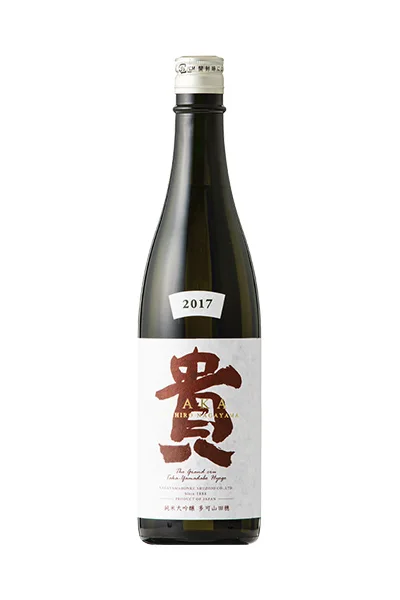
Taka Junmai Daiginjo Yoshikawa Yamada Nishiki
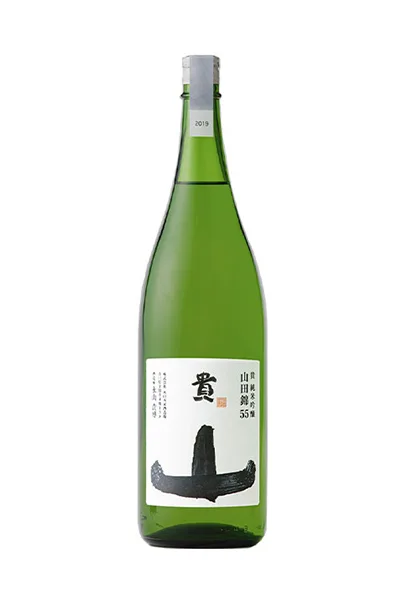
貴 純米大吟醸 吉川山田錦Junmai daiginjo, Yamada Nishiki rice polished to 50%, drip-pressed from hanging bags (shizuku)
Taka — Nagayama Honke Shuzojo, Yamaguchi
Mellow yet robust, adding color to the Japanese table.
Specifications
- Type
- Junmai Daiginjo
- Rice
- Yamada Nishiki
- Rice polishing ratio
- 50%50% of each grain polished away
- Yeast
- Not disclosed
- Alcohol
- 16%
- Sake meter value
- +4dry
- Acidity
- 1.5
How to read these
- Type
- The grade printed on the label. It depends on the ingredients (rice only, or with a little distilled alcohol) and on how far the rice is polished. More
- Rice
- The rice variety. Most premium sake uses varieties grown for brewing, such as Yamada Nishiki. More
- Rice polishing ratio
- How much of each grain is left after polishing. A lower number means more was milled away, which usually gives a lighter, more aromatic sake. More
- Yeast
- The yeast strain, which shapes the aroma. More
- Alcohol
- Alcohol by volume. Most sake is 15–16%; undiluted (genshu) sake is often 17–18%. More
- Sake meter value
- A sweet-to-dry scale. Plus is drier, minus is sweeter. Acidity changes how it tastes, so treat it as a rough guide. More
- Acidity
- Total acid. Higher tends to taste fuller and drier; lower tastes lighter and sweeter. More
Flavor profile Full & complex
Full & complex — aromatic and full-bodied, including aged sake. Known in Japan as juku-shu (熟酒).
A 50% polished junmai daiginjo whose strong umami and deep, full-bodied texture in the description outweigh its ginjo aroma, placing it in the juku zone. SMV +4 and acidity 1.5 suggest a moderately dry, softly rounded finish.
Estimated by AI from the published specifications and the brewery's description; your impression may differ.
About
Taste: Compared with Tojo Yamada Nishiki, the first sip feels softer. Firm umami gradually comes through on the palate. Recommended serving: Warmed to jokan (about 45°C) and paired with simmered fish. Made with rice from Miki City (former Yokawa-cho) in Hyogo Prefecture, where Yamada Nishiki was developed and which is designated as one of the Tokutei A (special A-grade) rice districts, a grade for rice of particularly good quality. Rich in umami, it grows deeper with each sip and can be enjoyed like a full-bodied wine. Release period: September through year-end.
Other sake from this brand 22
- Taka Tokubetsu Junmai 60貴 特別純米 60
- Taka Junmai Ginjo Omachi 50貴 純米吟醸 雄町 50
- Taka Yamahai Junmai Omachi貴 山廃 純米 雄町
- Taka Junmai Ginjo Yamada Nishiki 50貴 純米吟醸 山田錦 50
- Taka Tokubetsu Junmai Fukamari貴 特別純米 ふかまり
- Taka Junmai Kimoto Nakazawa Asahi貴 純米 生酛 中澤朝日
- Taka Junmai Fukamari Omachi 2021vin貴 純米 ふかまり雄町 2021vin
- Taka Junmai Ginjo Yamada Nishiki 55貴 純米吟醸 山田錦55
- Taka Junmai Daiginjo Akaiwa Omachi貴 純米大吟醸 赤磐雄町
- Taka Junmai Daiginjo Kimoto Tokusa Yamada Nishiki貴 純米大吟醸 生酛 十種山田錦
- Taka Junmai Daiginjo Shion貴 純米大吟醸 心音-SHION-
- Taka Junmai Daiginjo Taka Yamadaho貴 純米大吟醸 多可山田穂