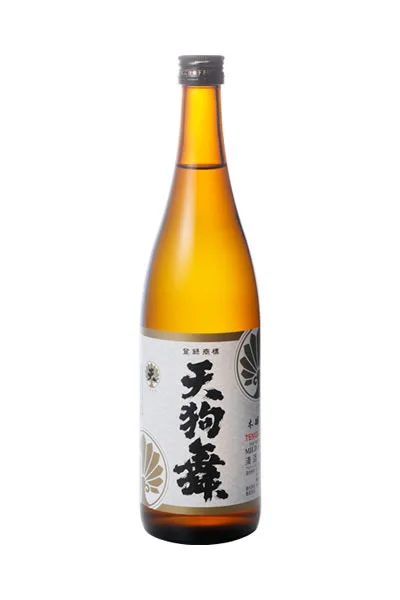
Tengumai Ten
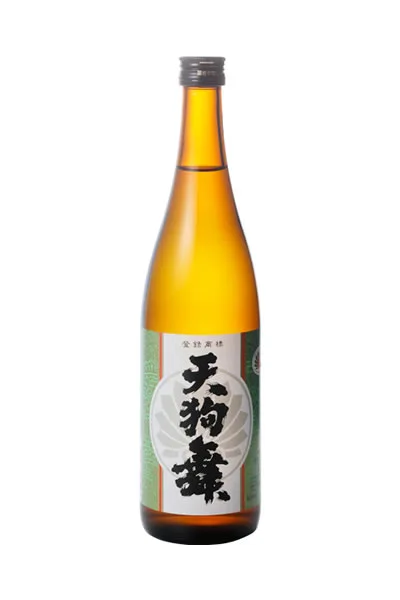
天狗舞 天Futsushu (table sake), Gohyakumangoku rice polished to 65%
Tengumai — Shata Shuzo, Ishikawa
A honjozo blended with yamahai-brewed sake, full of umami and body
Specifications
- Type
- Futsushu
- Rice
- Gohyakumangoku
- Rice polishing ratio
- 65%35% of each grain polished away
- Yeast
- Not disclosed
- Alcohol
- 15.8%
- Sake meter value
- +2slightly dry
- Acidity
- 1.6
How to read these
- Type
- The grade printed on the label. It depends on the ingredients (rice only, or with a little distilled alcohol) and on how far the rice is polished. More
- Rice
- The rice variety. Most premium sake uses varieties grown for brewing, such as Yamada Nishiki. More
- Rice polishing ratio
- How much of each grain is left after polishing. A lower number means more was milled away, which usually gives a lighter, more aromatic sake. More
- Yeast
- The yeast strain, which shapes the aroma. More
- Alcohol
- Alcohol by volume. Most sake is 15–16%; undiluted (genshu) sake is often 17–18%. More
- Sake meter value
- A sweet-to-dry scale. Plus is drier, minus is sweeter. Acidity changes how it tastes, so treat it as a rough guide. More
- Acidity
- Total acid. Higher tends to taste fuller and drier; lower tastes lighter and sweeter. More
Flavor profile Rich & umami
Rich & umami — rice-driven umami and a fuller body. Known in Japan as jun-shu (醇酒).
The text describes yamahai-blended umami and koku, and the SMV of +2, acidity of 1.6 and 65% polishing point to restrained aroma and a full body. The crisp, sharp finish keeps the sweetness low.
Estimated by AI from the published specifications and the brewery's description; your impression may differ.
About
This honjozo blends yamahai (traditional yeast-starter method) brewing, with rich umami and body. It is a sake that does not tire the palate, even when drunk over time. A sharp, lively kick on the finish and its crisp, clean character are also distinctive. Locally, it is enjoyed at festivals and as an everyday evening sake. It can be enjoyed at the temperature of your choice, from room temperature to atsukan (hot sake).
Other sake from this brand 25
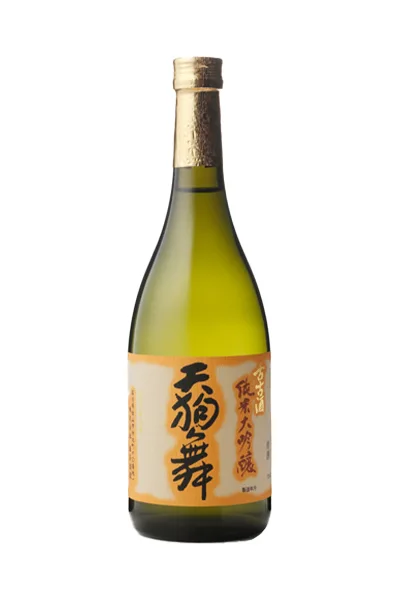
- Tengumai Kokoshu Ginjo天狗舞 古古酒吟醸
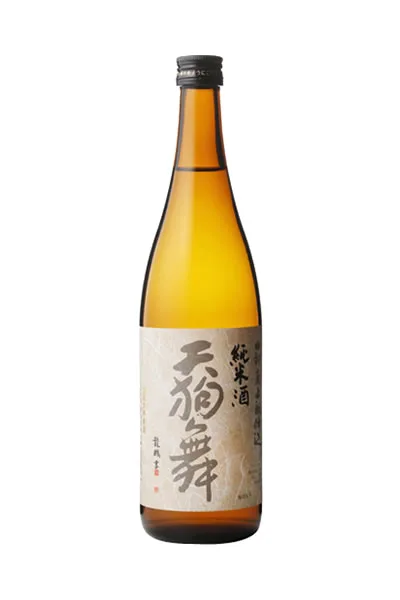
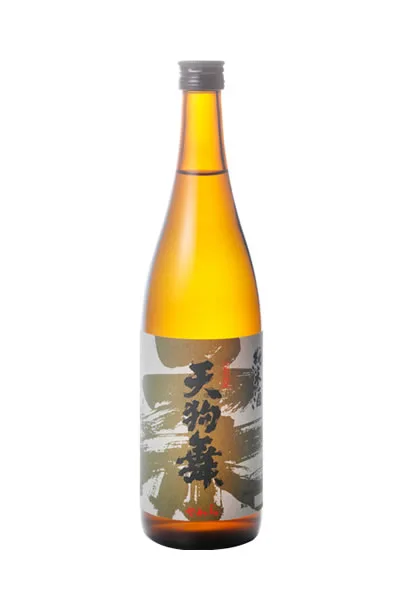
- Tengumai Yamahai Shikomi Junmai sake天狗舞 山廃仕込純米酒
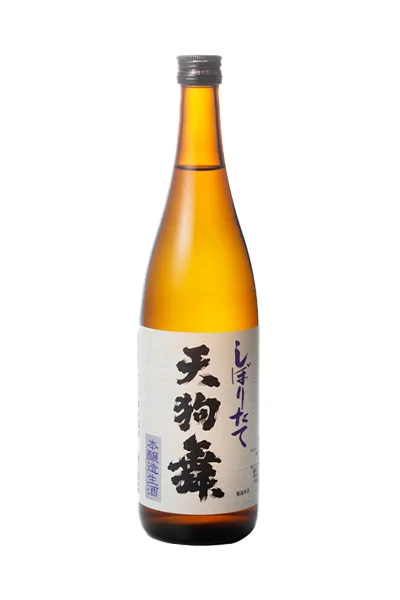
- Tengumai Shiboritate Namazake天狗舞 しぼりたて 生酒
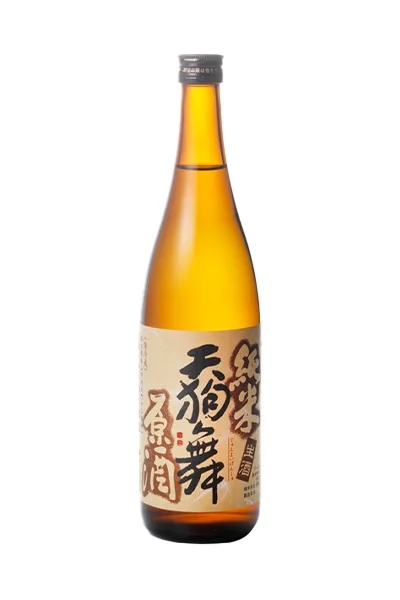
- Tengumai Yamahai Shikomi Junmai Genshu天狗舞 山廃仕込 純米 原酒
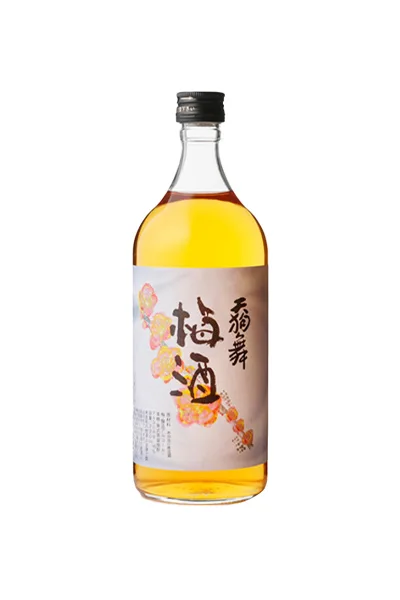
- Tengumai Umeshu天狗舞 梅酒
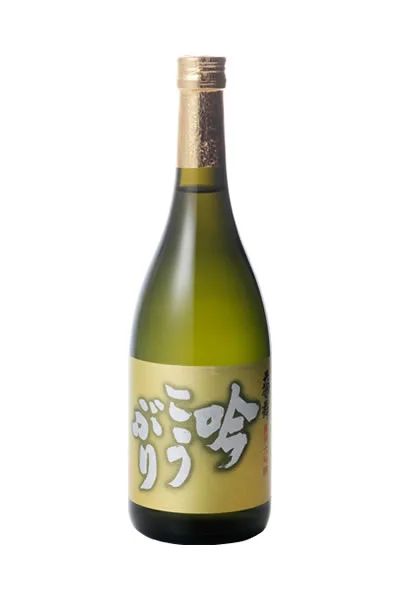
- Tengumai Gin Kouburi天狗舞 吟こうぶり
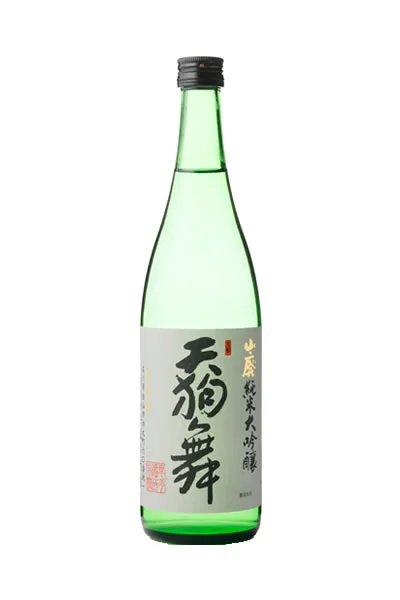
- Tengumai Yamahai Junmai Daiginjo天狗舞 山廃純米大吟醸
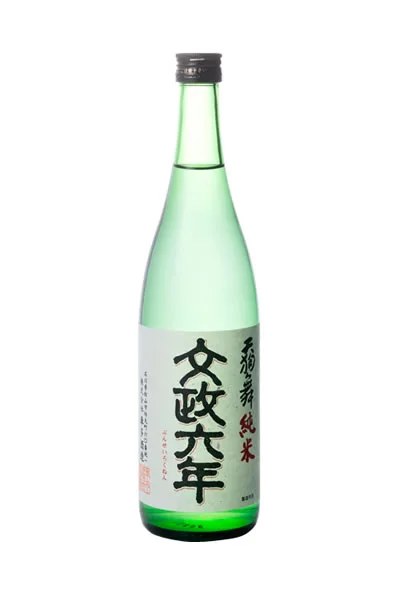
- Tengumai Ginjo Shikomi Junmai sake Bunsei 6天狗舞 吟醸仕込純米酒 文政六年
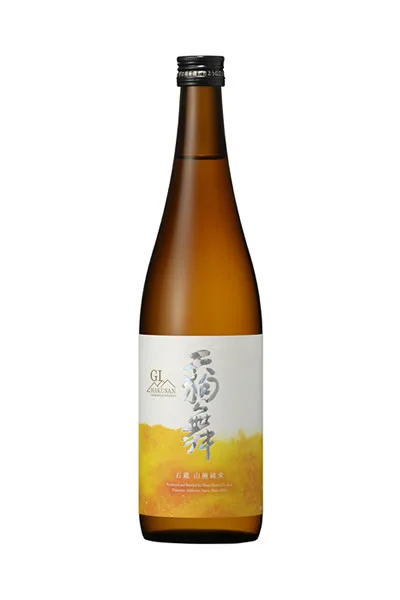
- Tengumai Ishigura Shikomi Yamahai Junmai Ginjo (GI Mount Hakusan)天狗舞 石蔵仕込 山廃 純米吟醸(GI白山)
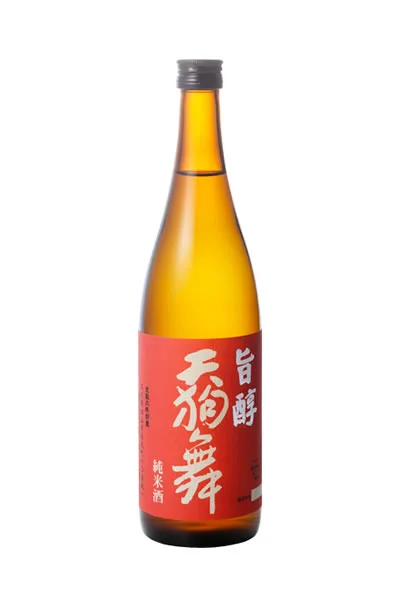
- Tengumai Shijun天狗舞 旨醇
- Tengumai Mai天狗舞 舞
- Tengumai Yawaraka天狗舞 柔