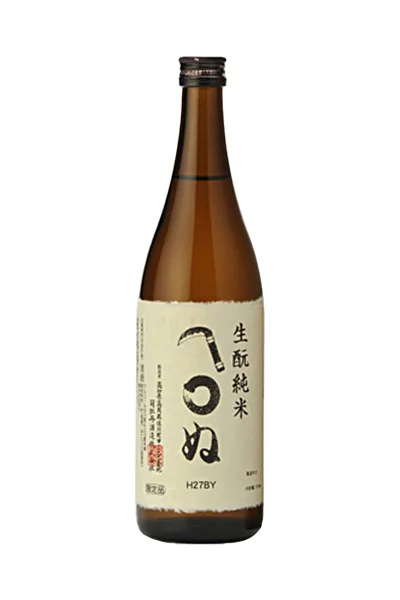
Tsukasabotan Kamawanu
司牡丹 かまわぬJunmai, rice polished to 65%, yamahai starter
Tsukasabotan — Tsukasabotan Shuzo, Kochi
No lactic acid, no artificial tampering: a sake left as nature made it, named after the traditional kamawanu pattern.
Specifications
- Type
- Junmai Shu
- Rice
- Not disclosed
- Rice polishing ratio
- 65%35% of each grain polished away
- Yeast
- Not disclosed
- Alcohol
- 15–15.9%
- Sake meter value
- +6very dry
- Acidity
- 1.7
How to read these
- Type
- The grade printed on the label. It depends on the ingredients (rice only, or with a little distilled alcohol) and on how far the rice is polished. More
- Rice
- The rice variety. Most premium sake uses varieties grown for brewing, such as Yamada Nishiki. More
- Rice polishing ratio
- How much of each grain is left after polishing. A lower number means more was milled away, which usually gives a lighter, more aromatic sake. More
- Yeast
- The yeast strain, which shapes the aroma. More
- Alcohol
- Alcohol by volume. Most sake is 15–16%; undiluted (genshu) sake is often 17–18%. More
- Sake meter value
- A sweet-to-dry scale. Plus is drier, minus is sweeter. Acidity changes how it tastes, so treat it as a rough guide. More
- Acidity
- Total acid. Higher tends to taste fuller and drier; lower tastes lighter and sweeter. More
Flavor profile Rich & umami
Rich & umami — rice-driven umami and a fuller body. Known in Japan as jun-shu (醇酒).
Specs of SMV +6, acidity 1.7 and 65% polishing point to a dry, restrained sake, while the yamahai and kimoto attributes add acidity and umami that lift the body slightly. The brewery text's refined yogurt-like acidity and crisp Tosa kire support a low-aroma, dry profile that sits near the rich-restrained (jun) region.
Estimated by AI from the published specifications and the brewery's description; your impression may differ.
About
Tsukasabotan revived yamahai brewing (yamahai-jikomi) in the 1995 brewing year (Heisei 7), for the first time in about 40 years, and has brewed one batch in this style every year since. In the 2015 brewing year (Heisei 27), its 20th year, the brewery took on the more demanding kimoto brewing method (kimoto-jikomi). The result has an elegant acidity reminiscent of the finest yogurt, combined with the clean finish (kire) that is characteristic of Tosa's Tanrei (light, dry) style. All of the rice used is Yamada Nishiki grown in Kochi Prefecture using the Nagata farming method.
Other sake from this brand 25
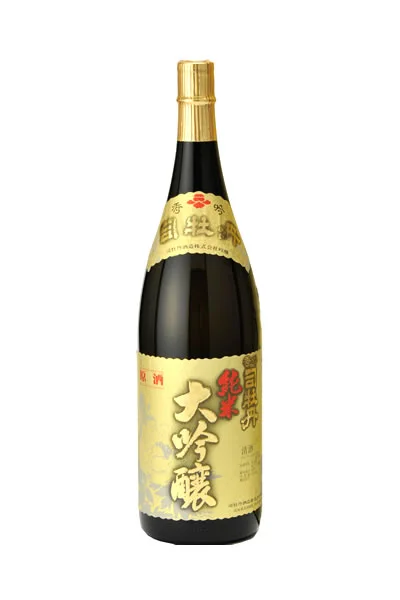
- Shugin Tsukasabotan Junmai Daiginjo秀吟司牡丹 純米大吟醸
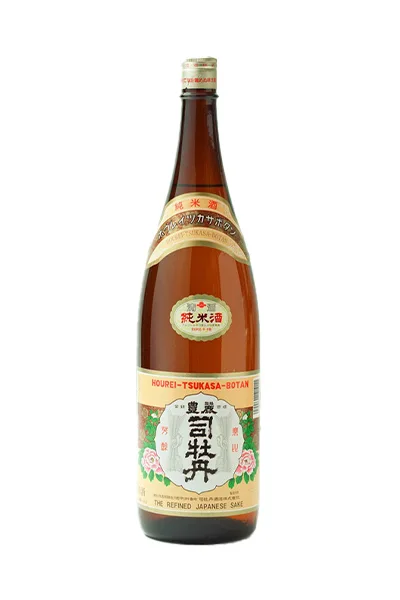
- Tsukasabotan Junmai sake Horei司牡丹 純米酒 豊麗
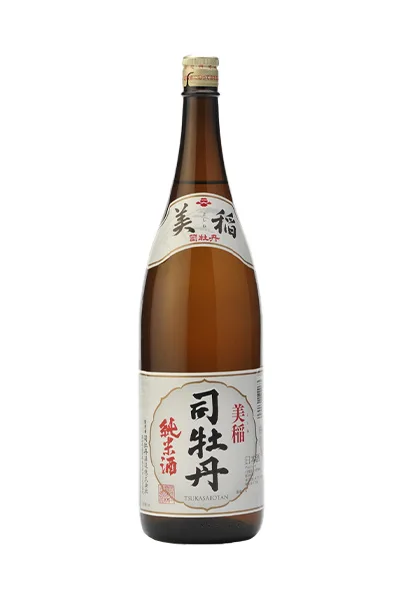
- Tsukasabotan Umasine Junmai sake司牡丹 美稲 純米酒
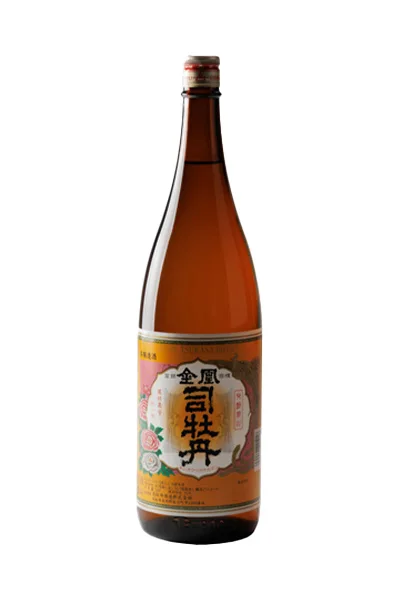
- Tsukasabotan Honjozo Kinko司牡丹 本醸造 金凰
- Tsukasabotan Junmai Daiginjo Karei司牡丹 純米大吟醸 華麗
- Tsukasabotan Ginjo Machisu司牡丹 吟醸 まちす
- Tsukasabotan Junmai Daiginjo Genshu Fukao司牡丹 純米大吟醸原酒 深尾
- Tsukasabotan Tokusen Junmai sake司牡丹 特撰 純米酒
- Tsukasabotan Ginso no Kai Yamahai Junmai司牡丹 吟奏の会 山廃純米
- Tsukasabotan Daiginjo Genshu Tenkokokushoku司牡丹 大吟醸原酒 天香国色
- Tsukasabotan Daiginjo Genshu Kuroganeya司牡丹 大吟醸原酒 黒金屋
- Tsukasabotan Bi Kaori司牡丹 美薫