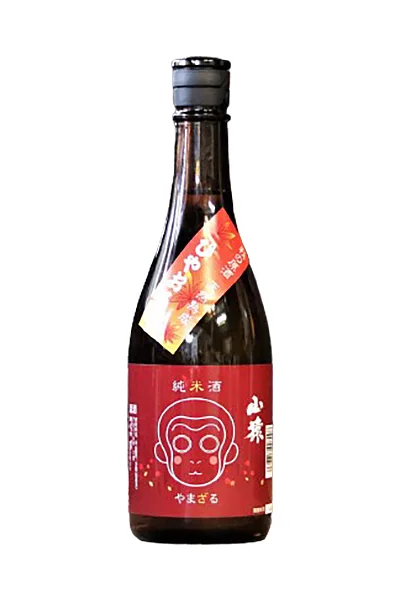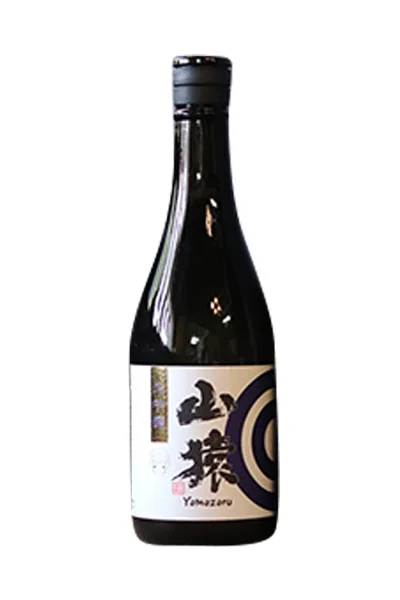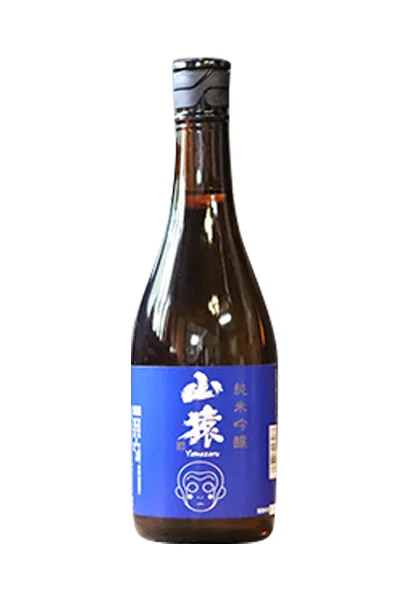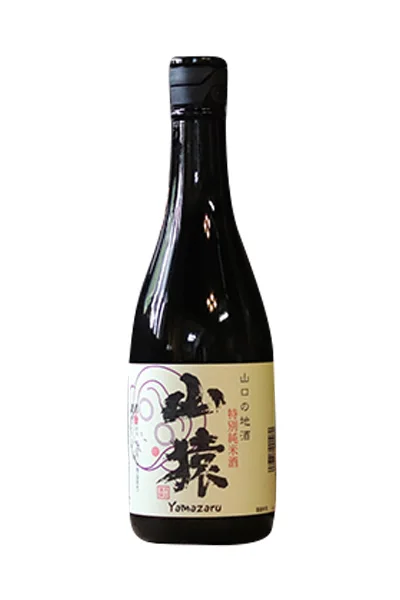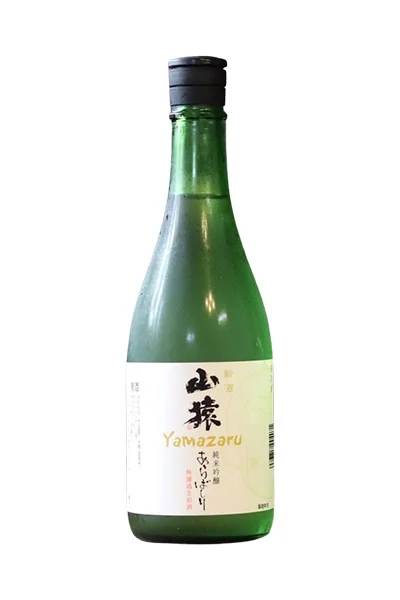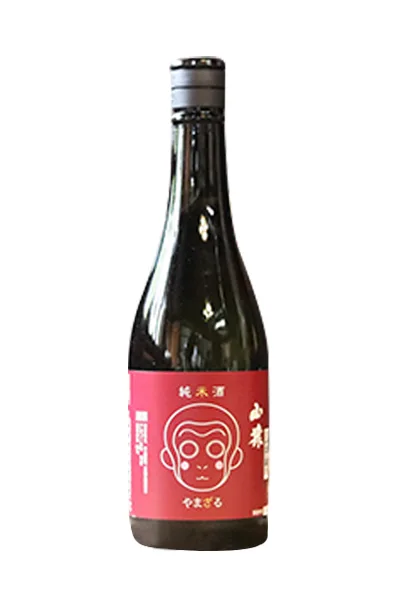
Yamazaru Junmai
山猿 純米酒Junmai, rice polished to 65%
Yamazaru — Nagayama Shuzo, Yamaguchi
Firm in character, yet strangely soft: a junmai sake shaped by the waters of Akiyoshidai.
Specifications
- Type
- Junmai Shu
- Rice
- Not disclosed
- Rice polishing ratio
- 65%35% of each grain polished away
- Yeast
- Not disclosed
- Alcohol
- 15%
- Sake meter value
- +3slightly dry
- Acidity
- 1.7
How to read these
- Type
- The grade printed on the label. It depends on the ingredients (rice only, or with a little distilled alcohol) and on how far the rice is polished. More
- Rice
- The rice variety. Most premium sake uses varieties grown for brewing, such as Yamada Nishiki. More
- Rice polishing ratio
- How much of each grain is left after polishing. A lower number means more was milled away, which usually gives a lighter, more aromatic sake. More
- Yeast
- The yeast strain, which shapes the aroma. More
- Alcohol
- Alcohol by volume. Most sake is 15–16%; undiluted (genshu) sake is often 17–18%. More
- Sake meter value
- A sweet-to-dry scale. Plus is drier, minus is sweeter. Acidity changes how it tastes, so treat it as a rough guide. More
- Acidity
- Total acid. Higher tends to taste fuller and drier; lower tastes lighter and sweeter. More
Flavor profile Rich & umami
Rich & umami — rice-driven umami and a fuller body. Known in Japan as jun-shu (醇酒).
The text emphasizes koku, umami, and mellowness from natural aging, and a 65% polishing junmai points to restrained aroma with a fuller body. SMV +3, acidity 1.7, and the described karakuchi profile suggest a dry, lightly sweet impression.
Estimated by AI from the published specifications and the brewery's description; your impression may differ.
About
Nagayama Shuzo is located in Sanyo-Onoda City in western Yamaguchi Prefecture, close to the Akiyoshidai plateau, and uses medium-hard water containing calcium, with a hardness of 80.7. The company's second-generation head, Nagayama Sogoro, sought out this water and established the brewery on its present site in 1919 (Taisho 8). This marked a major leap forward for Nagayama Shuzo, and in 1932 (Showa 7) the head office was moved to its current location. Taking advantage of the characteristics of this water, Tajima toji (master brewer from the Tajima region) Teraya Susumu, who took up his post last fiscal year, proposed brewing a strong, more flavorful sake that is dry yet soft on the palate and reveals its true value as it matures. Aiming for an ideal balance, the brewery focused on brewing a sake that vividly conveys richness and umami while keeping a clean finish. The brewery's proud brick brewhouse is also used for natural aging, further enhancing richness and mellowness. The result is a sake that draws out the flavor of food across the seasons while deepening its own appeal. It is finished to be enjoyed both chilled and warmed (kan). We invite you to experience the effect of hard water brewing for yourself.
Other sake from this brand 16
- Yamazaru Junmai sake Hiyaoroshi山猿 純米酒 ひやおろし
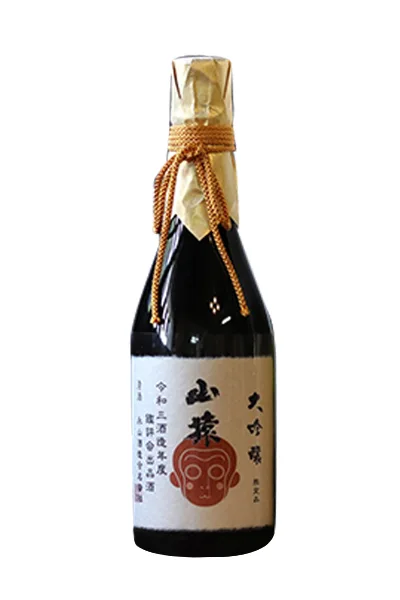
- Yamazaru Daiginjo Nakadori Shuppinshu山猿 大吟醸 中取り 出品酒
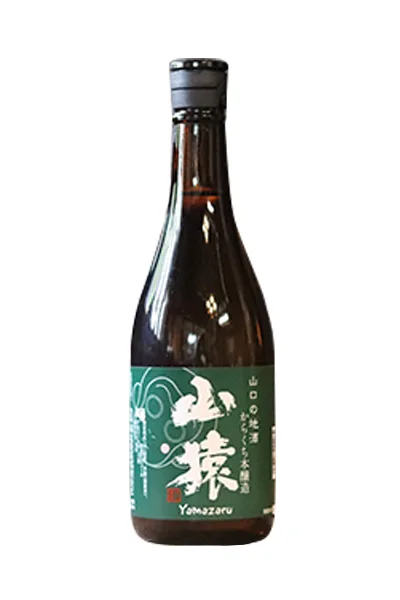
- Yamazaru Karakuchi Honjozo山猿 からくち 本醸造
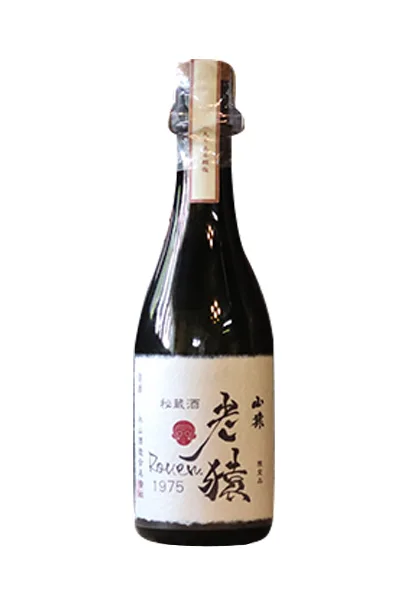
- Yamazaru Hizoshu山猿 秘蔵酒
- Yamazaru Daiginjo Muroka Tobin-dori山猿 大吟醸 無濾過 斗瓶取り
- Yamazaru Junmai Ginjo山猿 純米吟醸
- Yamazaru Tokubetsu Junmai山猿 特別純米酒
- Yamazaru Junmai Ginjo Arabashiri山猿 純米吟醸 あらばしり
- Yamazaru Tokubetsu Junmai Nigori山猿 特別純米 にごり酒
- Yamazaru Karakuchi Honjozo Shiboritate山猿 からくち 本醸造 しぼりたて
- Yamazaru Yamahai Shikomi Junmai Ginjo山猿 山廃仕込 純米吟醸
- Yamazaru Tokubetsu Junmai Yamahai Nama山猿 特別純米酒 山廃生酒