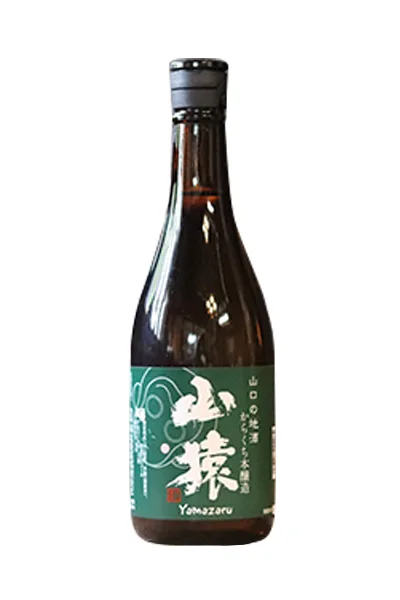
Yamazaru Karakuchi Honjozo
山猿 からくち 本醸造Honjozo, rice polished to 70%, dry
Yamazaru — Nagayama Shuzo, Yamaguchi
A fine sake from the good old days
Specifications
- Type
- Honjozo
- Rice
- Not disclosed
- Rice polishing ratio
- 70%30% of each grain polished away
- Yeast
- Not disclosed
- Alcohol
- 15–15.9%
- Sake meter value
- +7very dry
- Acidity
- 1.5
How to read these
- Type
- The grade printed on the label. It depends on the ingredients (rice only, or with a little distilled alcohol) and on how far the rice is polished. More
- Rice
- The rice variety. Most premium sake uses varieties grown for brewing, such as Yamada Nishiki. More
- Rice polishing ratio
- How much of each grain is left after polishing. A lower number means more was milled away, which usually gives a lighter, more aromatic sake. More
- Yeast
- The yeast strain, which shapes the aroma. More
- Alcohol
- Alcohol by volume. Most sake is 15–16%; undiluted (genshu) sake is often 17–18%. More
- Sake meter value
- A sweet-to-dry scale. Plus is drier, minus is sweeter. Acidity changes how it tastes, so treat it as a rough guide. More
- Acidity
- Total acid. Higher tends to taste fuller and drier; lower tastes lighter and sweeter. More
Flavor profile Rich & umami
Rich & umami — rice-driven umami and a fuller body. Known in Japan as jun-shu (醇酒).
Honjozo at 70% polishing with SMV +7 reads dry, while the description's restrained aroma and umami point to a restrained, moderately rich profile, placing it in the jun quadrant.
Estimated by AI from the published specifications and the brewery's description; your impression may differ.
About
Made with hard river underflow water from the Asagawa (厚狭川), which flows from upstream of the Akiyoshidai plateau, this sake is dry yet remarkably smooth on the palate, without the prickly sharpness often associated with dry styles, giving it a distinctive character. The Yamazaru brand is devoted to sake rice. Making the most of the regional character of rice grown in Yamaguchi Prefecture, the brewery aims to bring out the natural umami of the rice. It was shaped with the sweet soy sauce characteristic of western Japan in mind, so it pairs well with the fusion of Japanese and Western flavors found in today's food culture. The aroma is pleasant but restrained. Its umami holds up against a wide range of foods, while its clean finish refreshes the palate. True to the image of a fine sake from the good old days, it is enjoyable chilled or warmed (kan). From lukewarm (nurukan) to hot (atsukan), it shows a different face depending on the temperature, making it a fun sake to explore.
Other sake from this brand 16
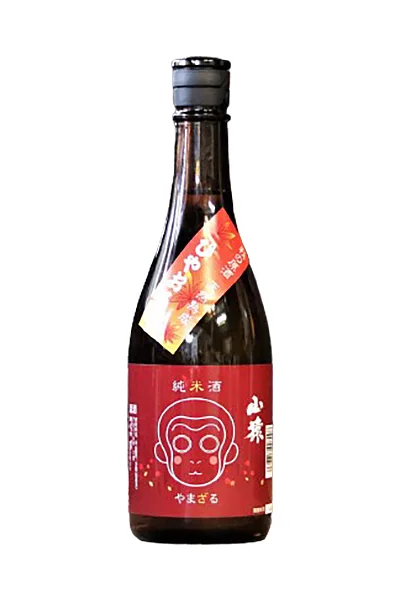
- Yamazaru Junmai sake Hiyaoroshi山猿 純米酒 ひやおろし
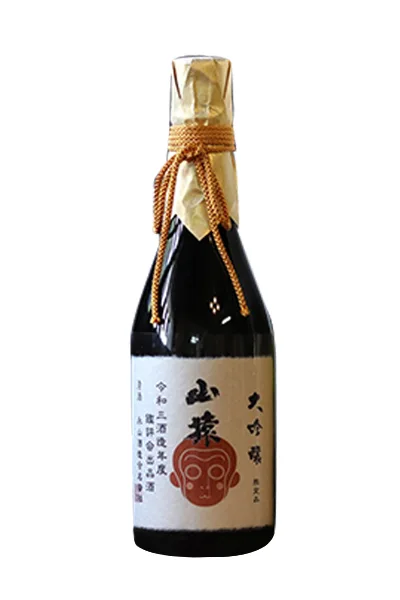
- Yamazaru Daiginjo Nakadori Shuppinshu山猿 大吟醸 中取り 出品酒
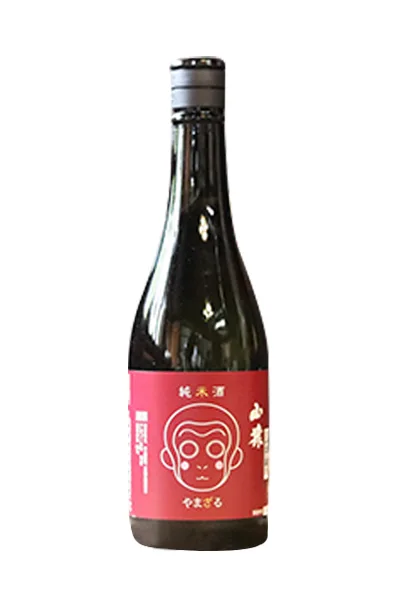
- Yamazaru Junmai山猿 純米酒
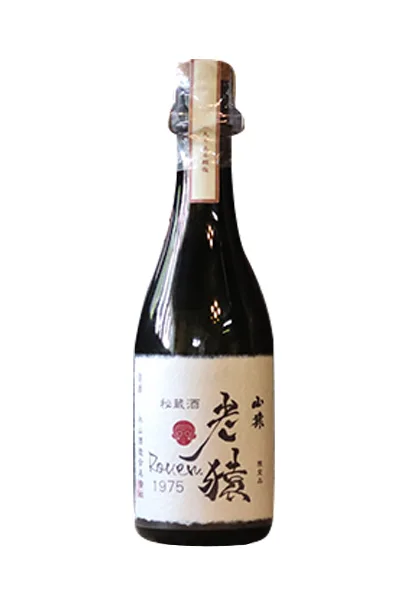
- Yamazaru Hizoshu山猿 秘蔵酒
- Yamazaru Daiginjo Muroka Tobin-dori山猿 大吟醸 無濾過 斗瓶取り
- Yamazaru Junmai Ginjo山猿 純米吟醸
- Yamazaru Tokubetsu Junmai山猿 特別純米酒
- Yamazaru Junmai Ginjo Arabashiri山猿 純米吟醸 あらばしり
- Yamazaru Tokubetsu Junmai Nigori山猿 特別純米 にごり酒
- Yamazaru Karakuchi Honjozo Shiboritate山猿 からくち 本醸造 しぼりたて
- Yamazaru Yamahai Shikomi Junmai Ginjo山猿 山廃仕込 純米吟醸
- Yamazaru Tokubetsu Junmai Yamahai Nama山猿 特別純米酒 山廃生酒