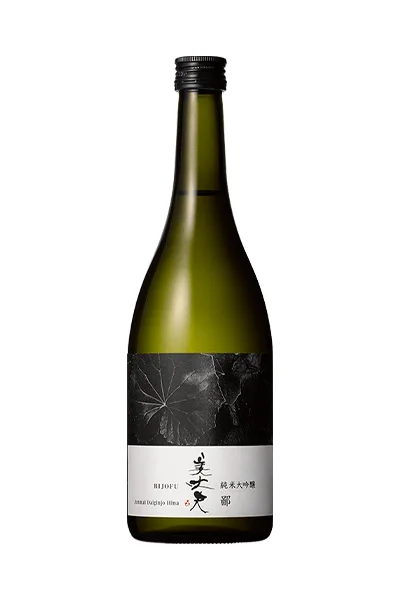
Bijofu Hina
美丈夫 鄙Junmai daiginjo, Yamada Nishiki rice polished to 45%
Bijofu — Hamakawa Shoten, Kochi
As in the word hinabi (rustic), hina is an archaic Japanese term for the countryside.
Specifications
- Type
- Junmai Daiginjo
- Rice
- Yamada Nishiki
- Rice polishing ratio
- 45%55% of each grain polished away
- Yeast
- Not disclosed
- Alcohol
- 15%
How to read these
- Type
- The grade printed on the label. It depends on the ingredients (rice only, or with a little distilled alcohol) and on how far the rice is polished. More
- Rice
- The rice variety. Most premium sake uses varieties grown for brewing, such as Yamada Nishiki. More
- Rice polishing ratio
- How much of each grain is left after polishing. A lower number means more was milled away, which usually gives a lighter, more aromatic sake. More
- Yeast
- The yeast strain, which shapes the aroma. More
- Alcohol
- Alcohol by volume. Most sake is 15–16%; undiluted (genshu) sake is often 17–18%. More
Flavor profile Aromatic & light
Aromatic & light — fruity, floral aroma with a light body. Known in Japan as kun-shu (薫酒).
A 45% polished junmai daiginjo with a clean, not overly showy top aroma and bright citrus acidity points to an aromatic, light kun profile. The description's note that aroma and flavor expand around 10°C supports the moderately high aroma score.}
Estimated by AI from the published specifications and the brewery's description; your impression may differ.
About
In sharp contrast to the elegant, refined ways of the capital, the word hina evokes beautiful nature and a relaxed, expansive largeness of spirit. The brewery is in Tano-cho, a town surrounded by a beautiful sea, mountains, rivers, and abundant nature. This junmai daiginjo combines the generosity of nature with the refinement of human craftsmanship, making it 'rare even for the countryside' (hinimo mare na). With Kumamoto-type yeast (Kumamoto kei kobo), it has a restrained, not overly showy, clean top-note aroma (uwadachi-ka) and a refreshing citrus-like acidity. Served chilled, and as it warms to around 10°C, the aroma and the breadth of flavor expand further.
Other sake from this brand 22
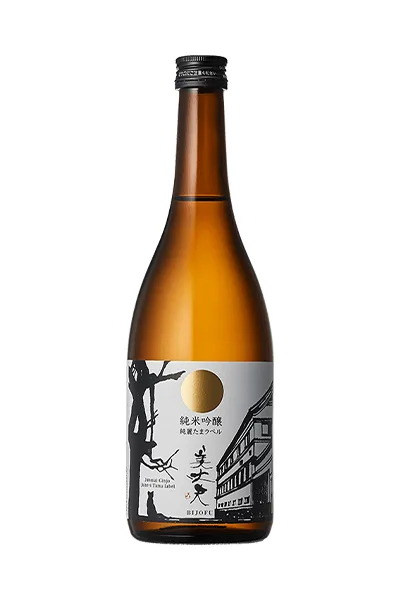
- Bijofu Junmai Ginjo Jumei Tama Label美丈夫 純米吟醸 純麗 たまラベル
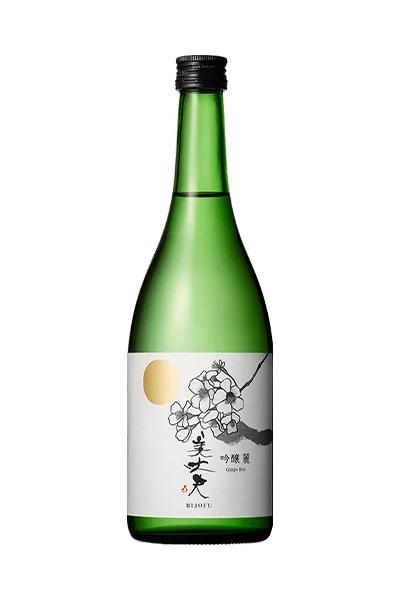
- Bijofu Ginjo Rei美丈夫 吟醸 麗
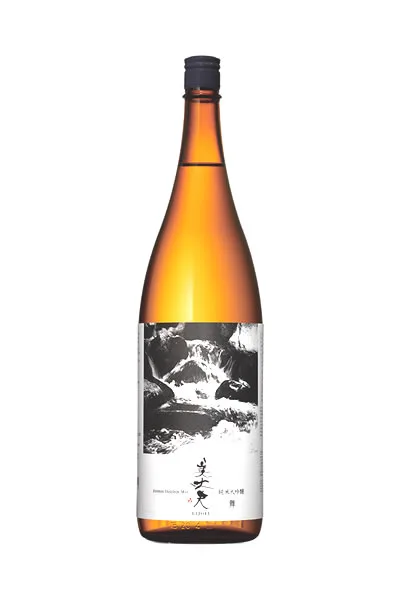
- Bijofu Mai美丈夫 舞
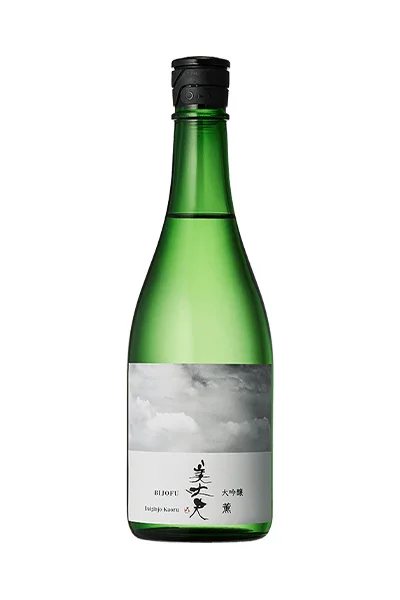
- Bijofu Kaori美丈夫 薫
- Bijofu Yumemoto美丈夫 夢許
- Bijofu Junmai Ginjo Mai Gohyakumangoku美丈夫 純米吟醸 舞 五百万石
- Bijofu Junmai Ginjo Usunigori Bihappo美丈夫 純米吟醸 うすにごり 微発砲
- Bijofu Junmai Ginjo Mai Matsuyama Mitsui美丈夫 純米吟醸 舞 松山三井
- Bijofu Junmai Daiginjo Miyabi美丈夫 純米大吟醸 雅
- Bijofu Junmai Ginjo Omachi 50 Arabashiri Nama美丈夫 純米吟醸 雄町50 荒ばしり 生
- Bijofu Tokubetsu Honjozo Kanbae no Sake美丈夫 特別本醸造 燗映えの酒
- Bijofu Ginjo Rei Usunigori美丈夫 吟醸 麗 うすにごり