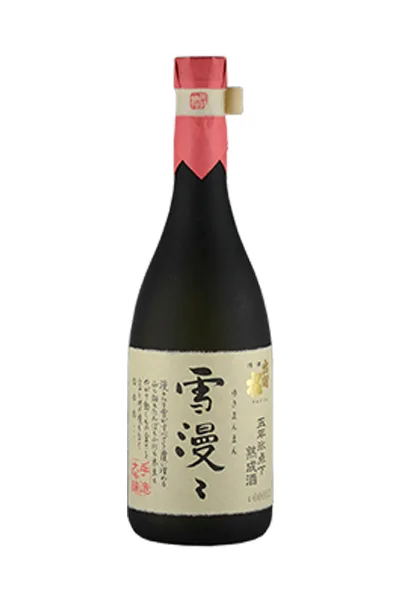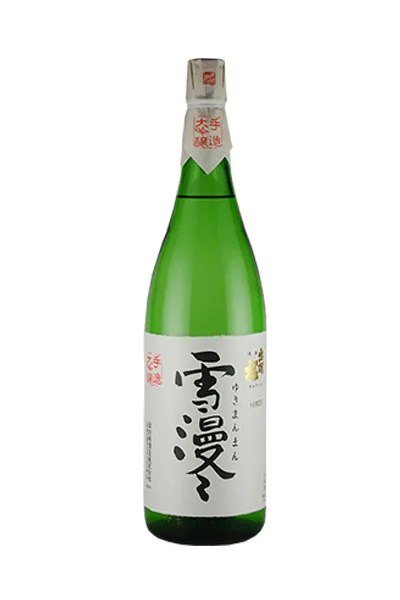
Dewazakura Daiginjo Yuki Manman
出羽桜 大吟醸 雪漫々Daiginjo, Yamada Nishiki rice polished to 45%, aged (koshu)
Dewazakura — Dewazakura Shuzo, Yamagata
Savor the beautiful aging that only Dewazakura can achieve.
Specifications
- Type
- Daiginjo
- Rice
- Yamada Nishiki
- Rice polishing ratio
- 45%55% of each grain polished away
- Yeast
- Not disclosed
- Alcohol
- 15%
- Sake meter value
- +5dry
- Acidity
- 1.2
How to read these
- Type
- The grade printed on the label. It depends on the ingredients (rice only, or with a little distilled alcohol) and on how far the rice is polished. More
- Rice
- The rice variety. Most premium sake uses varieties grown for brewing, such as Yamada Nishiki. More
- Rice polishing ratio
- How much of each grain is left after polishing. A lower number means more was milled away, which usually gives a lighter, more aromatic sake. More
- Yeast
- The yeast strain, which shapes the aroma. More
- Alcohol
- Alcohol by volume. Most sake is 15–16%; undiluted (genshu) sake is often 17–18%. More
- Sake meter value
- A sweet-to-dry scale. Plus is drier, minus is sweeter. Acidity changes how it tastes, so treat it as a rough guide. More
- Acidity
- Total acid. Higher tends to taste fuller and drier; lower tastes lighter and sweeter. More
Flavor profile Full & complex
Full & complex — aromatic and full-bodied, including aged sake. Known in Japan as juku-shu (熟酒).
Daiginjo at 45% polish with koshu aging, plus the text's retained fruity aroma and rounded texture, point to an aromatic, mature juku profile. The SMV of +5 leans dry, but the low acidity of 1.2 softens it, so sweetness stays modest.
Estimated by AI from the published specifications and the brewery's description; your impression may differ.
About
Only daiginjo that the brewers have crafted with great care and that meet a high standard are permitted to carry the name Yuki Manman. By aging these daiginjo slowly at low temperature, the fruity aroma characteristic of ginjo sake is preserved, while the sharp edges soften into a rounder, mellower taste.
Other sake from this brand 25
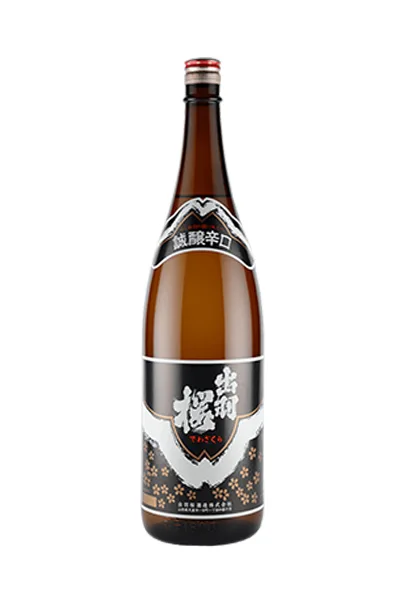
- Dewazakura Seijo Dry出羽桜 誠醸辛口
- Dewazakura Ginjo Oka Sarasara Nigori出羽桜 吟醸酒 桜花 さらさらにごり
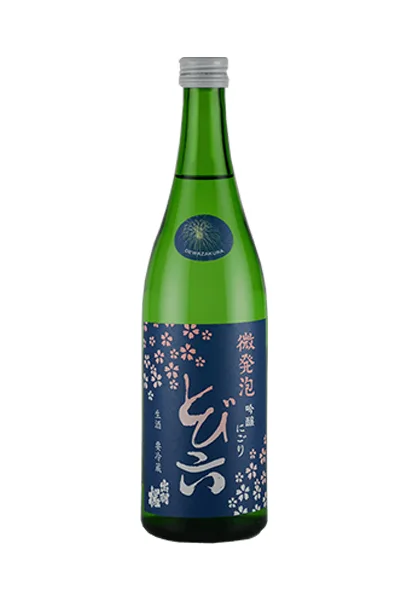
- Dewazakura Ginjo Nigori Tobi Roku出羽桜 吟醸にごり とび六
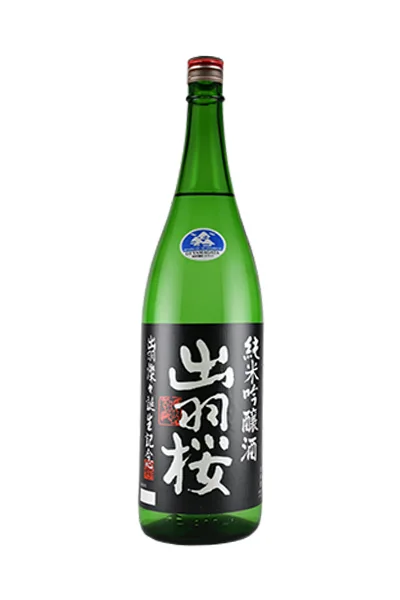
- Dewazakura Junmai Ginjo Dewa Sansan Tanjo Kinen出羽桜 純米吟醸酒 出羽燦々 誕生記念
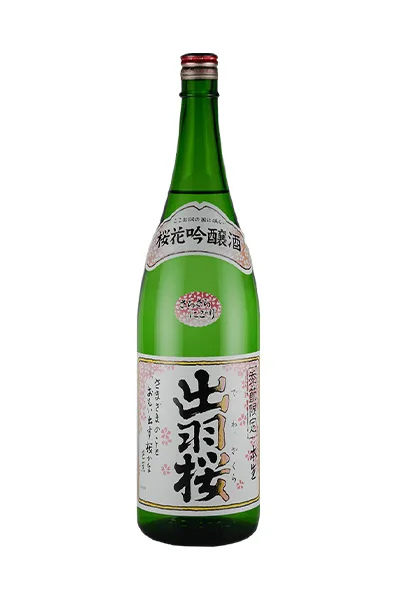
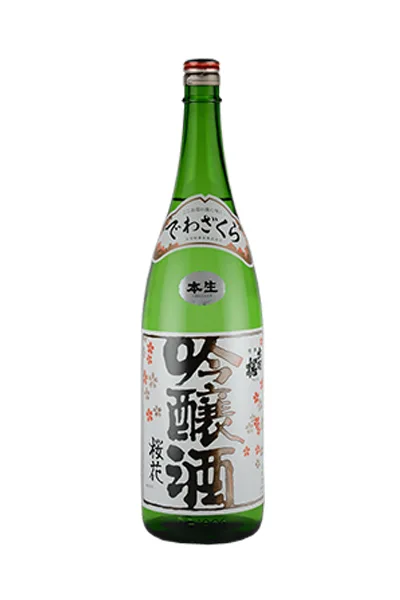
- Dewazakura Ginjo Oka Honnama出羽桜 吟醸酒 桜花 本生
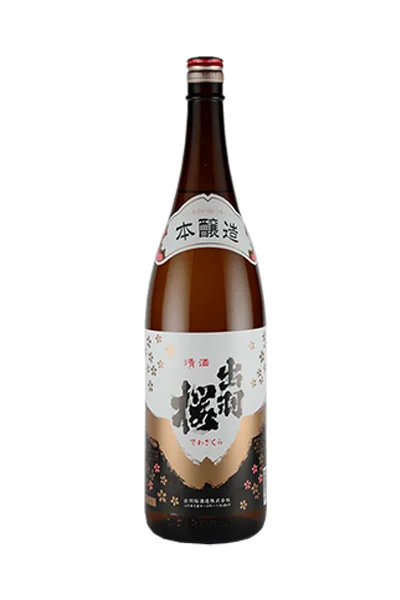
- Dewazakura Honjozo出羽桜 本醸造
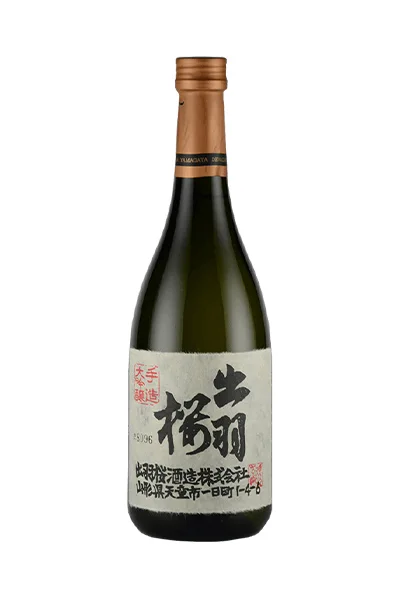
- Dewazakura Daiginjo出羽桜 大吟醸
- Dewazakura Go-nen Hyoten-ka Jukusei-shu Yuki Manman出羽桜 五年氷点下熟成酒 雪漫々
- Dewazakura Junmai Daiginjo Aiyama出羽桜 純米大吟醸 愛山
- Dewazakura Junmai Ikko Nama出羽桜 純米酒 一耕 生
- Dewazakura Junmai sake Ikkou出羽桜 純米酒 一耕
- Dewazakura Ginjo Oka出羽桜 吟醸酒 桜花