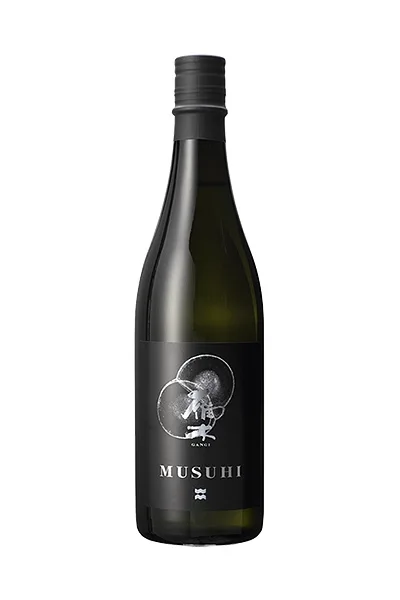
Gangi MUSUHI
雁木 MUSUHIJunmai, Yamada Nishiki rice
Gangi — Yaoshin Shuzo, Yamaguchi
Sake of rebirth, MUSUHI
Specifications
- Type
- Junmai Shu
- Rice
- Yamada Nishiki
- Yeast
- Not disclosed
- Alcohol
- 16%
How to read these
- Type
- The grade printed on the label. It depends on the ingredients (rice only, or with a little distilled alcohol) and on how far the rice is polished. More
- Rice
- The rice variety. Most premium sake uses varieties grown for brewing, such as Yamada Nishiki. More
- Yeast
- The yeast strain, which shapes the aroma. More
- Alcohol
- Alcohol by volume. Most sake is 15–16%; undiluted (genshu) sake is often 17–18%. More
Flavor profile Rich & umami
Rich & umami — rice-driven umami and a fuller body. Known in Japan as jun-shu (醇酒).
As a junmai made with Yamada Nishiki at a moderate 16% ABV, this sake points to a restrained, rice-led aroma with a sturdy, slightly full body. The description of robust, organically grown rice suggests a jun-type profile with a moderate, dry-leaning sweetness.
Estimated by AI from the published specifications and the brewery's description; your impression may differ.
About
This sake is made from Yamada Nishiki grown through natural farming on terraced rice paddies (tanada) that had become abandoned farmland due to a disaster and were revived. We named it MUSUHI because the process of making this sake calls to mind the many revival myths of the deities Takamimusuhi and Kamimusuhi, who appear in the Kojiki and the Nihon Shoki. The “MUSUHI (産霊)” found in the names of these two deities is interpreted as the energy of creation, the energy of returning to the origin, and the energy of rebirth from death. “MUSUHI is a gift of nature” Clear air, transparent and pure water, rice vigorously grown through organic cultivation. This sake holds the natural environment of Sou (祖生) intact. The label is inspired by “the first radiance of life” emerging from darkness. We have deliberately not disclosed the rice polishing ratio so that people can approach MUSUHI without preconceptions based on numerical information. For the same reason, we do not label it as Junmai Daiginjo. Our effort to revive satoyama (traditional village landscapes of woodland and farmland) through rice cultivation by farmers and brewers committed to sustainability will continue over the long term. For that reason, part of the sales of MUSUHI will be used as funding for efforts to revive hard-to-cultivate areas in the mountainous and hilly regions and to grow organic Yamada Nishiki there. Because the harvest of organically grown rice from the Sou terraced paddies is not constant, the production volume and release timing of MUSUHI will vary from year to year. Serving temperature 5–15°C: ◎ (best) 15–25°C: ◯ (good)
Other sake from this brand 22
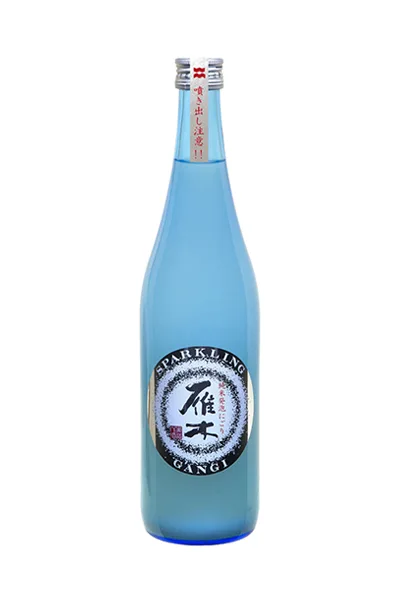
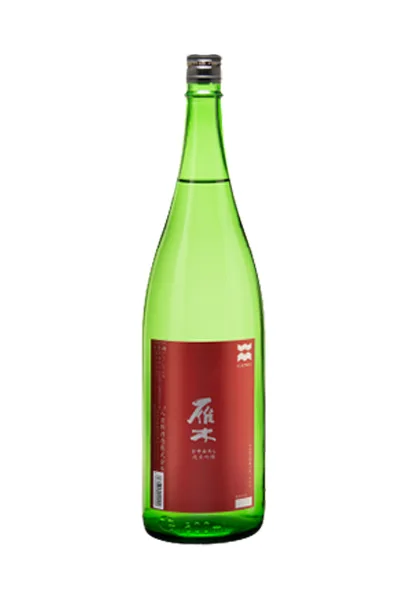
- Gangi Kassei Nigori Happo Junmai Genshu雁木 活性にごり 発泡純米原酒
- Gangi Junmai Ginjo Muroka Hiyaoroshi雁木 純米吟醸 無濾過 ひやおろし
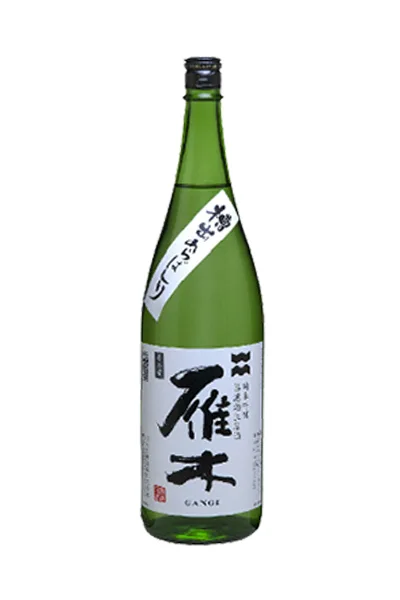
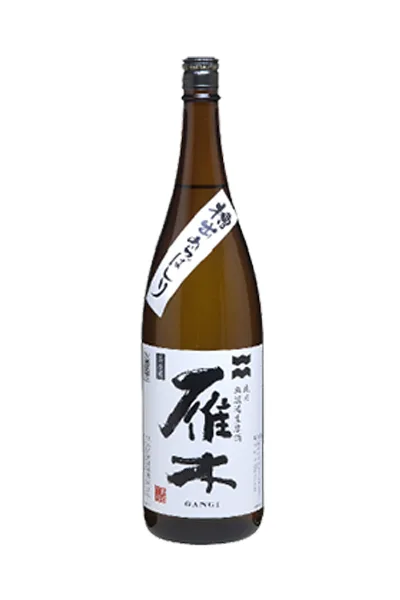
- Gangi Junmai Ginjo Muroka Funade Arabashiri雁木 純米吟醸 無濾過 槽出あらばしり
- Gangi Junmai Muroka Funade Arabashiri雁木 純米 無濾過 槽出 あらばしり
- Gangi Junmai Muroka Hitotsu Hi雁木 純米 無濾過 ひとつ火
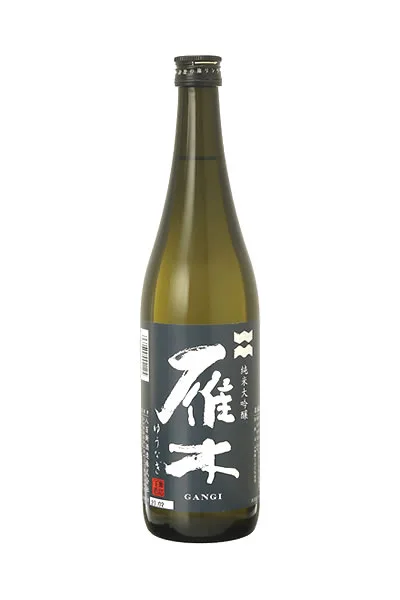
- Gangi Junmai Daiginjo Muroka Yunagi雁木 純米大吟醸 無濾過 ゆうなぎ
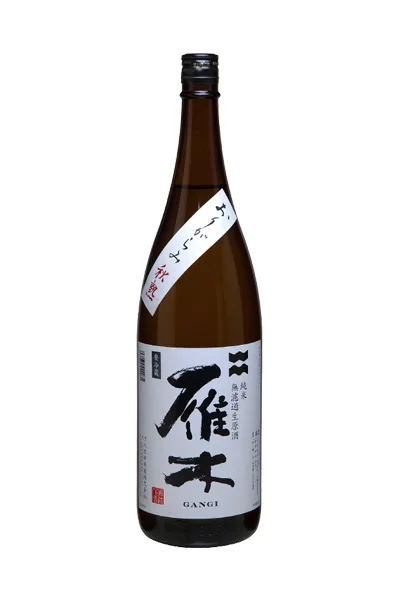
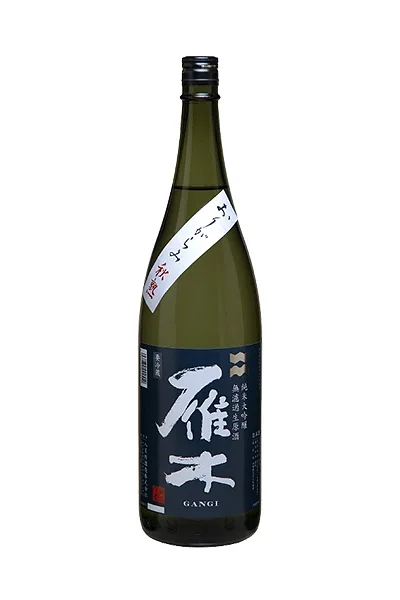
- Gangi Junmai Nama Genshu Origarami Akijuku雁木 純米 生原酒 おりがらみ秋熟
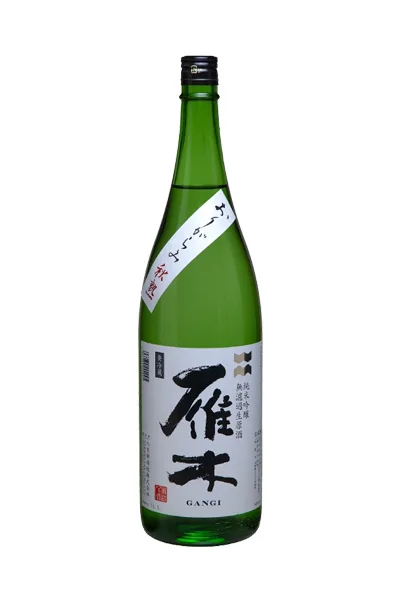
- Gangi Junmai Ginjo Nama Genshu Origarami Akijuku (秋熟)雁木 純米吟醸 生原酒 おりがらみ秋熟
- Gangi Junmai Daiginjo Nama Genshu Origarami Akijuku (秋熟)雁木 純米大吟醸 生原酒 おりがらみ秋熟
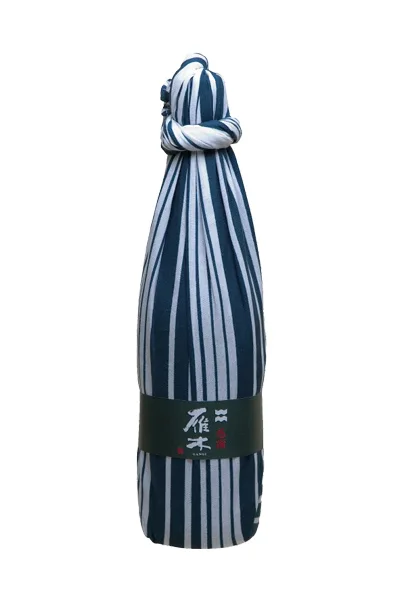
- Gangi Junmai Daiginjo Kansha Tenugui Tsutsumi雁木 純米大吟醸 感謝手ぬぐい包み
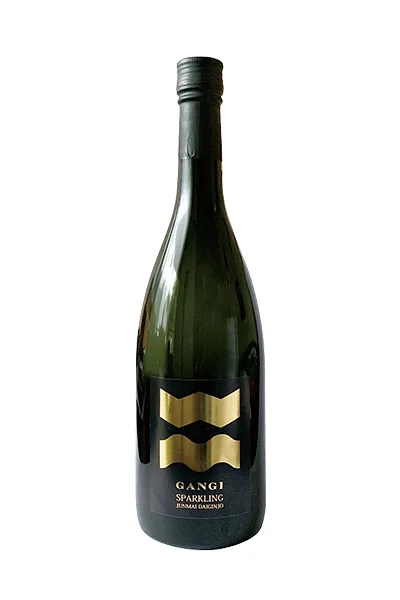
- Gangi Junmai Daiginjo Happo Nama Genshu Sparkling雁木 純米大吟醸 発泡生原酒 スパークリング
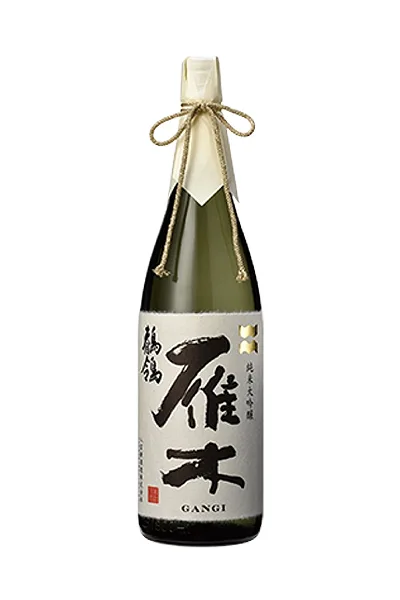
- Gangi Junmai Daiginjo Sekirei雁木 純米大吟醸 鶺鴒