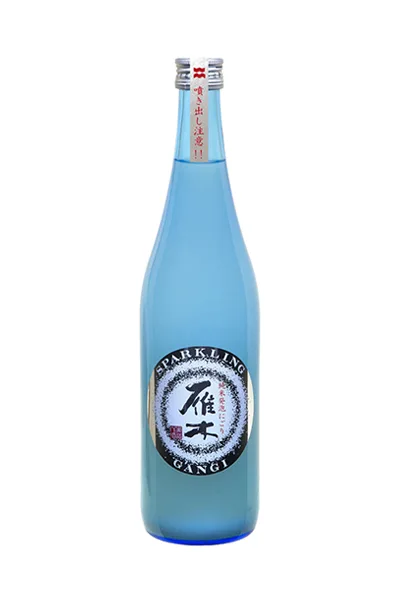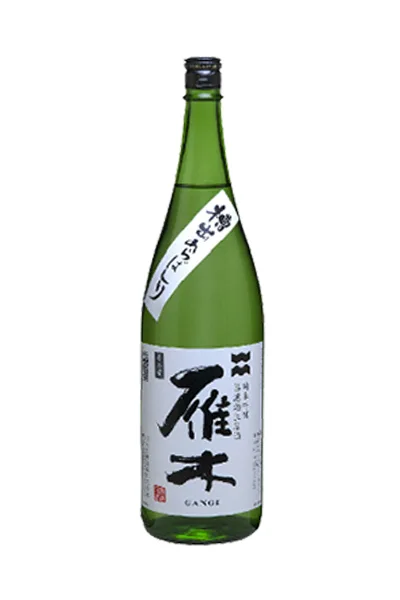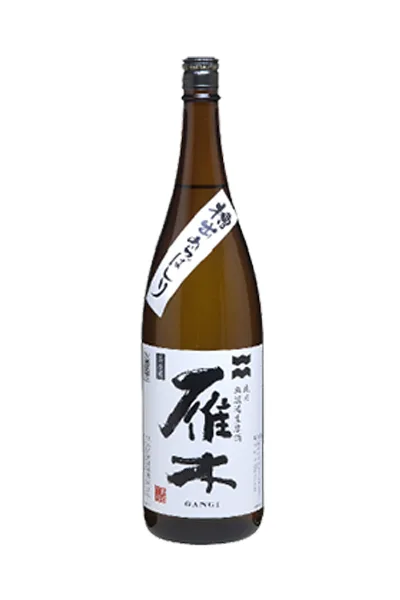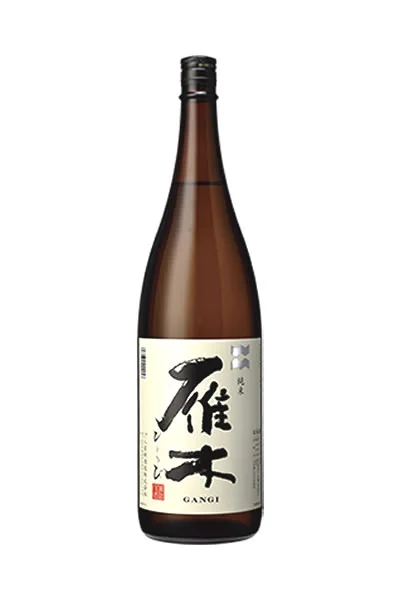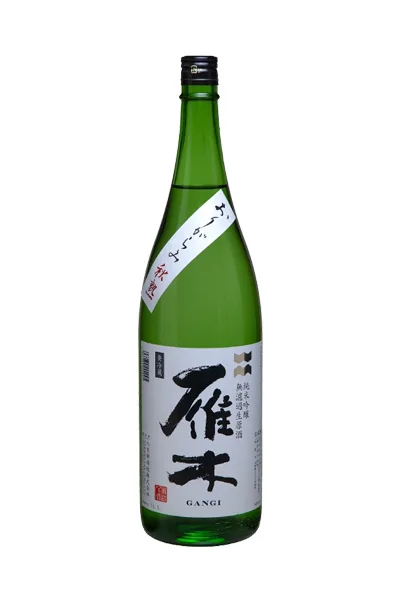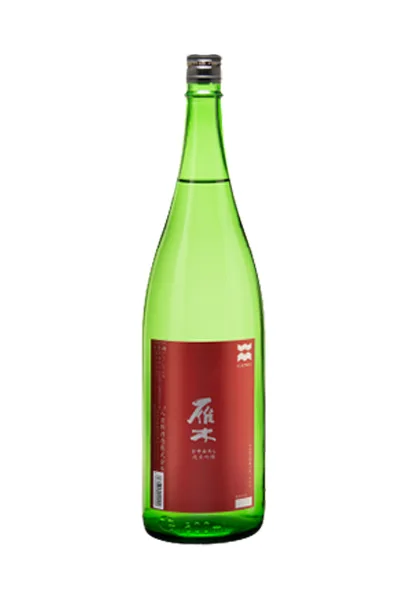
Gangi Junmai Ginjo Muroka Hiyaoroshi
雁木 純米吟醸 無濾過 ひやおろしJunmai ginjo, Yamada Nishiki rice polished to 50%, unfiltered (muroka), autumn release (hiyaoroshi)
Gangi — Yaoshin Shuzo, Yamaguchi
White peach aroma and a pear-like, refined sweetness. A well-proportioned silhouette and a smooth texture.
Specifications
- Type
- Junmai Ginjo
- Rice
- Yamada Nishiki
- Rice polishing ratio
- 50%50% of each grain polished away
- Yeast
- Not disclosed
- Alcohol
- 16.5%
- Sake meter value
- +1.5slightly dry
- Acidity
- 1.7
How to read these
- Type
- The grade printed on the label. It depends on the ingredients (rice only, or with a little distilled alcohol) and on how far the rice is polished. More
- Rice
- The rice variety. Most premium sake uses varieties grown for brewing, such as Yamada Nishiki. More
- Rice polishing ratio
- How much of each grain is left after polishing. A lower number means more was milled away, which usually gives a lighter, more aromatic sake. More
- Yeast
- The yeast strain, which shapes the aroma. More
- Alcohol
- Alcohol by volume. Most sake is 15–16%; undiluted (genshu) sake is often 17–18%. More
- Sake meter value
- A sweet-to-dry scale. Plus is drier, minus is sweeter. Acidity changes how it tastes, so treat it as a rough guide. More
- Acidity
- Total acid. Higher tends to taste fuller and drier; lower tastes lighter and sweeter. More
Flavor profile Full & complex
Full & complex — aromatic and full-bodied, including aged sake. Known in Japan as juku-shu (熟酒).
White peach and pear aromas from a 50% Yamada Nishiki junmai ginjo point to a high aroma. An SMV of +1.5, acidity of 1.7, and the described mellow, full-bodied texture suggest moderate sweetness and a fuller body, placing it in the juku quadrant.
Estimated by AI from the published specifications and the brewery's description; your impression may differ.
About
A sweet, vanilla-like aroma. A juicy sensation that spreads over the tongue. The flavor approaches in an unpredictable rhythm, like morning dew dripping from a leaf. Serving it returned to room temperature rather than very chilled brings out more fully the mellow, broad character unique to Gangi. Gangi was launched in 2000 as a new brand following a generational handover at the brewery. Its pure, powerful, and crisp flavor has captivated many sake connoisseurs. Originally, “gangi” (gangi) referred to a stone staircase at a riverside landing. Raw rice for sake brewing was once unloaded at the gangi from boats coming down from the upper reaches of the Nishikigawa River, continuing to produce sake, the “life” of the brewery. The new staff who took over the brewing named their sake “Gangi” to return to the origins of sake brewing and start a new tradition from here.
Other sake from this brand 22
- Gangi Kassei Nigori Happo Junmai Genshu雁木 活性にごり 発泡純米原酒
- Gangi Junmai Ginjo Muroka Funade Arabashiri雁木 純米吟醸 無濾過 槽出あらばしり
- Gangi Junmai Muroka Funade Arabashiri雁木 純米 無濾過 槽出 あらばしり
- Gangi Junmai Muroka Hitotsu Hi雁木 純米 無濾過 ひとつ火
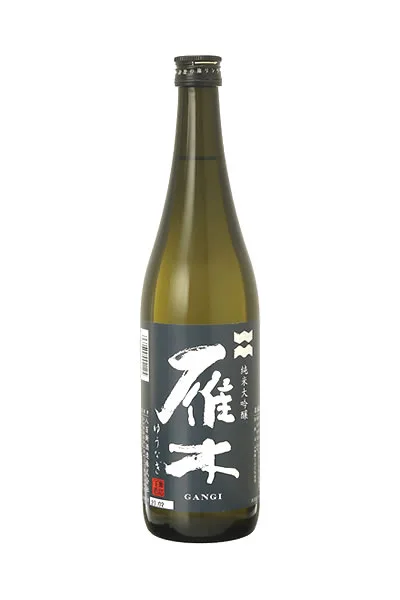
- Gangi Junmai Daiginjo Muroka Yunagi雁木 純米大吟醸 無濾過 ゆうなぎ
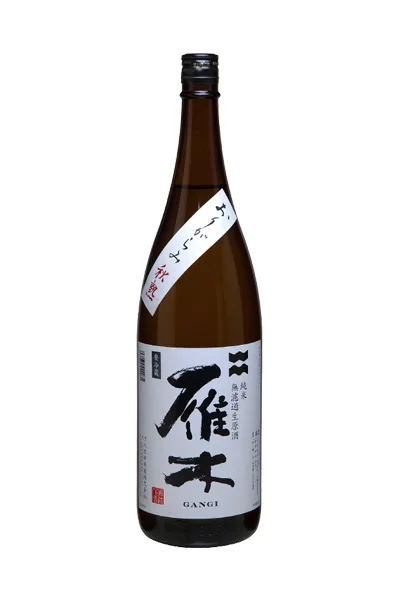
- Gangi Junmai Nama Genshu Origarami Akijuku雁木 純米 生原酒 おりがらみ秋熟
- Gangi Junmai Ginjo Nama Genshu Origarami Akijuku (秋熟)雁木 純米吟醸 生原酒 おりがらみ秋熟
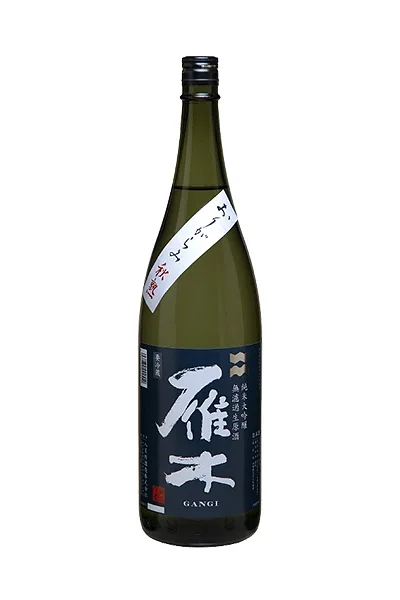
- Gangi Junmai Daiginjo Nama Genshu Origarami Akijuku (秋熟)雁木 純米大吟醸 生原酒 おりがらみ秋熟
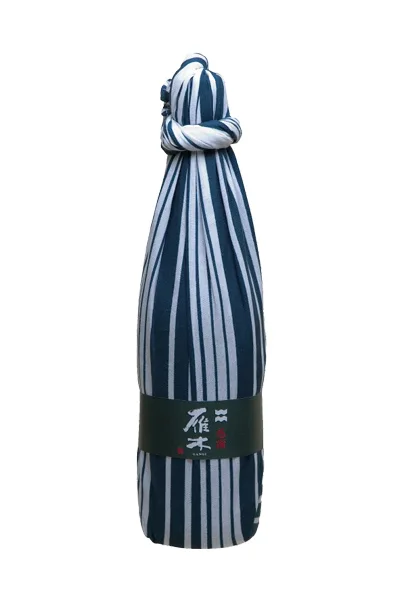
- Gangi Junmai Daiginjo Kansha Tenugui Tsutsumi雁木 純米大吟醸 感謝手ぬぐい包み
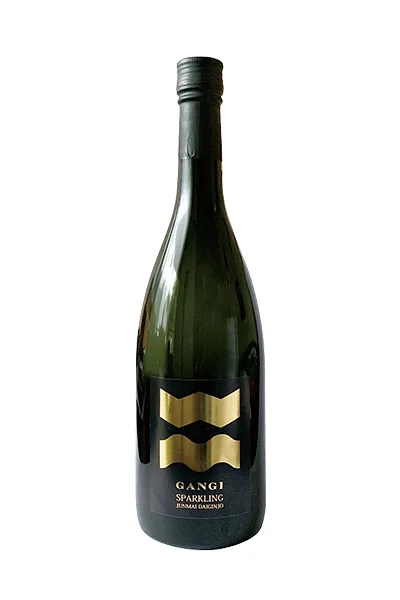
- Gangi Junmai Daiginjo Happo Nama Genshu Sparkling雁木 純米大吟醸 発泡生原酒 スパークリング
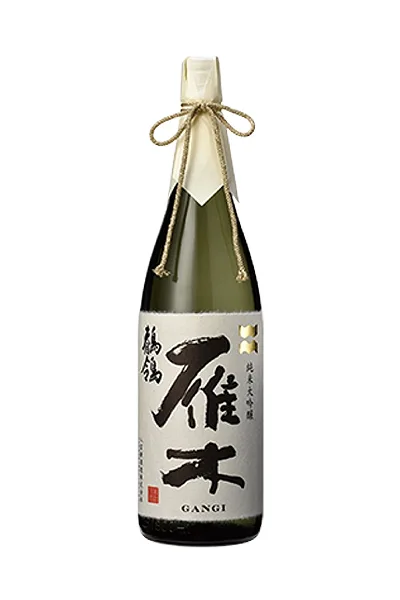
- Gangi Junmai Daiginjo Sekirei雁木 純米大吟醸 鶺鴒
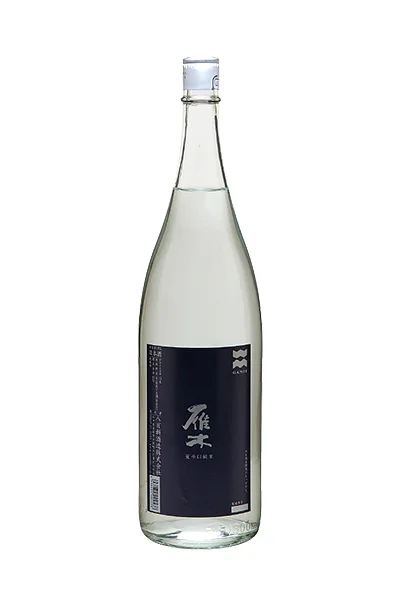
- Gangi Junmai Natsu Dry雁木 純米 夏辛口