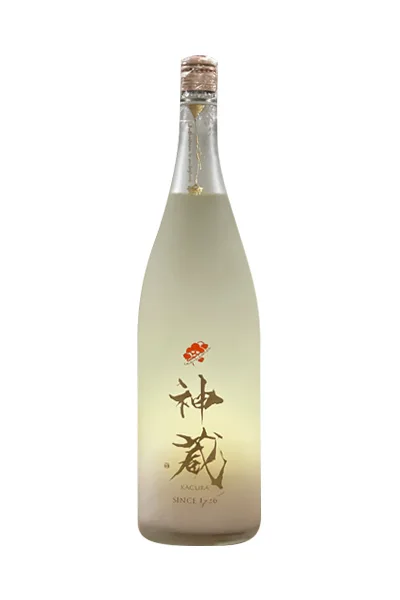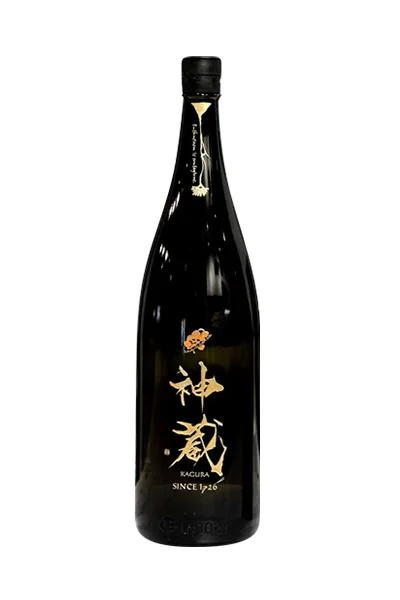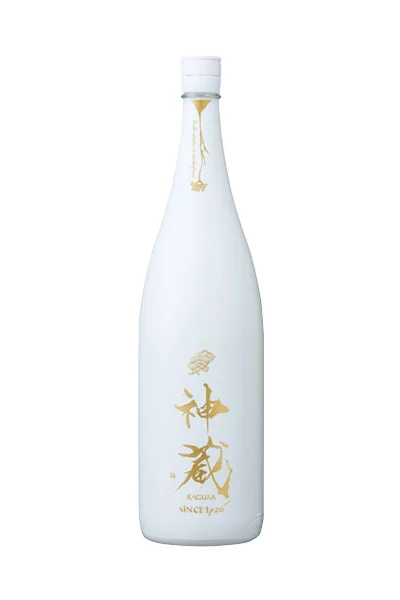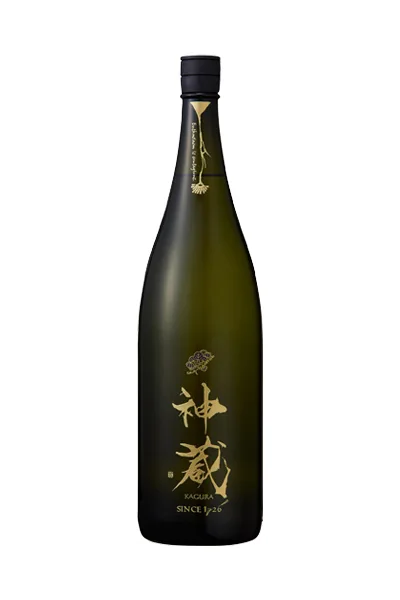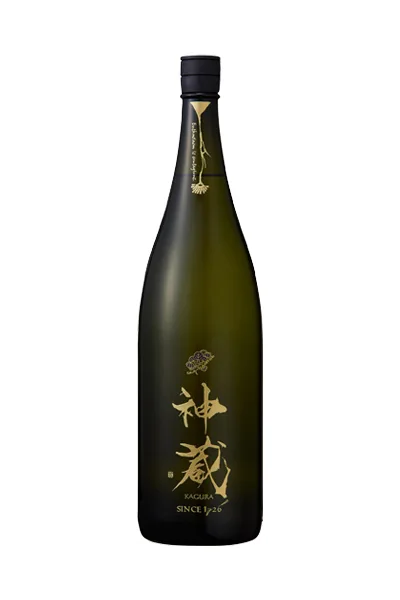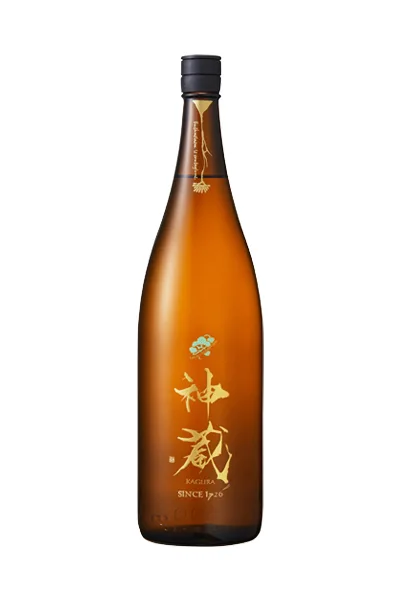
Junmai Kagura Yamadaho Nama
純米 神蔵KAGURA 山田穂 生酒Junmai, Yamadaho rice polished to 80%, unpasteurized (nama)
Kagura — Matsui Shuzo, Kyoto
The ancestor of sake rice, in a robust sake that soaks right into you
Specifications
- Type
- Junmai Shu
- Rice
- Yamada Ho
- Rice polishing ratio
- 80%20% of each grain polished away
- Yeast
- Not disclosed
- Alcohol
- 15%
How to read these
- Type
- The grade printed on the label. It depends on the ingredients (rice only, or with a little distilled alcohol) and on how far the rice is polished. More
- Rice
- The rice variety. Most premium sake uses varieties grown for brewing, such as Yamada Nishiki. More
- Rice polishing ratio
- How much of each grain is left after polishing. A lower number means more was milled away, which usually gives a lighter, more aromatic sake. More
- Yeast
- The yeast strain, which shapes the aroma. More
- Alcohol
- Alcohol by volume. Most sake is 15–16%; undiluted (genshu) sake is often 17–18%. More
Flavor profile Rich & umami
Rich & umami — rice-driven umami and a fuller body. Known in Japan as jun-shu (醇酒).
The text describes a robust but clean junmai made from Yamada-ho at 80% polishing, with fresh top notes and a spicy middle, which points to a restrained aroma and a fuller body. No sweetness cues are given, so the sweetness is judged dry-leaning.
Estimated by AI from the published specifications and the brewery's description; your impression may differ.
About
Junmai sake made with Yamadaho, the seed parent of the renowned sake rice Yamada Nishiki, polished to a rice polishing ratio of 80%. Yamadaho was first cultivated around 1877 (Meiji 10). Despite its long history, its cultivation was discontinued as Yamada Nishiki rose to prominence, and it was revived 60 years later, a story with a drama of its own. Yamadaho is known for its low fat content, so we aimed for a sake that is robust yet free of off-flavors. To bring out the outline of the flavor more strongly, we deliberately limited the milling and kept the rice polishing ratio high. The aroma opens with the fresh, crisp character typical of Kagura and shifts to spicy notes in the middle, stimulating all the senses. This is a different sake from the usual Kagura, and it is aimed more at professionals than at sake beginners. No filtration is performed at all. Depending on the timing of bottling, some rice components may remain in the bottle. As a nama (unpasteurized) sake, the lively energy of the living yeast comes through directly on the palate.
Other sake from this brand 15
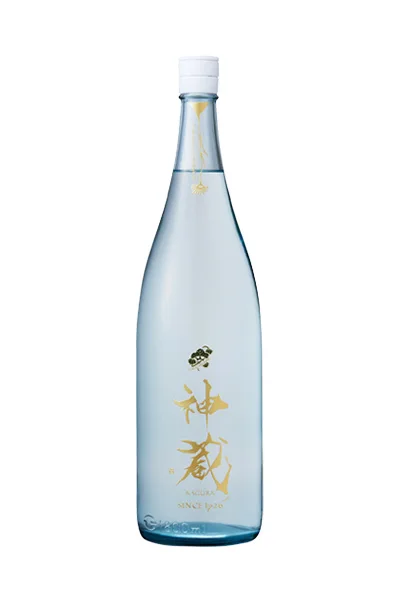
- Junmai Kagura Namazake (Clear)純米 神蔵KAGURA 生酒(クリア)
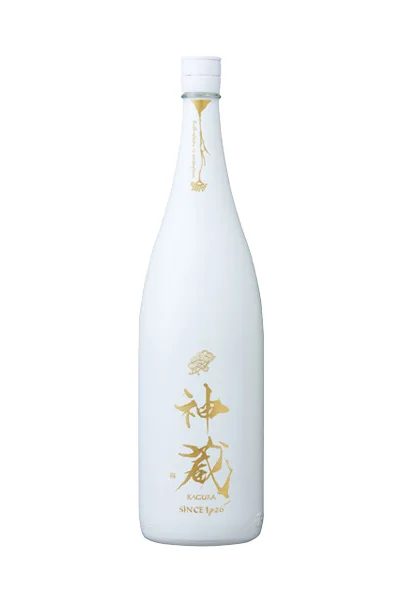
- Junmai Daiginjo Kagura Namazake (White)純米大吟醸 神蔵KAGURA 生酒(白)
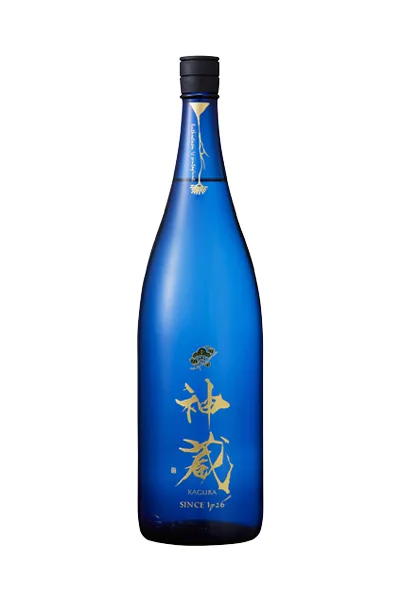
- Kagura Junmai Nama (Ruri)純米 神蔵KAGURA 生酒(ルリ)
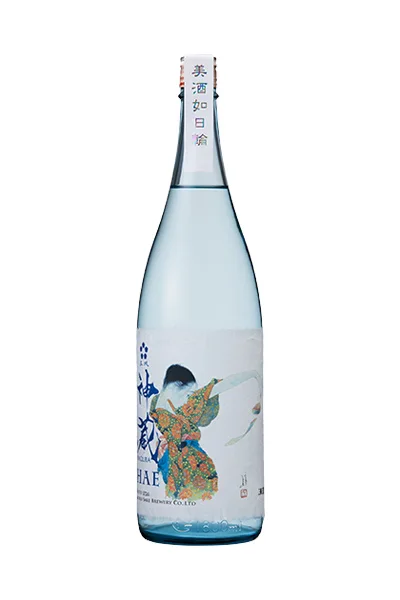
- Kagura Minamikaze HAE Namazake (Summer Limited)神蔵 南風HAE 生酒(夏季限定)
- Kagura Nigori Hisoka Namazake神蔵KAGURA にごり酒 ひそか 生酒
- Junmai Daiginjo Kagura Assemblage Nama (Limited Betsu-atsurae)純米大吟醸 神蔵KAGURA アッサンブラージュ 生酒(限定特別誂)
- Kagura Junmai Daiginjo Hitotsubi (Shiro)純米大吟醸 神蔵KAGURA 一火(白)
- Kagura Junmai Daiginjo Nama (Black)純米大吟醸 神蔵KAGURA 生酒(黒)
- Kagura Junmai Daiginjo Hitotsubi (Kuro)純米大吟醸 神蔵KAGURA 一火(黒)
- Kagura Kochi (Spring Limited)神蔵 東風KOCHI(春季限定)
- Kagura Nishikaze NALAI Namazake (Autumn Limited)神蔵 西風NALAI 生酒(秋季限定)
- Junmai Daiginjo Kagura Kyo no Hikaru Namazake純米大吟醸 神蔵KAGURA 京の輝き 生酒