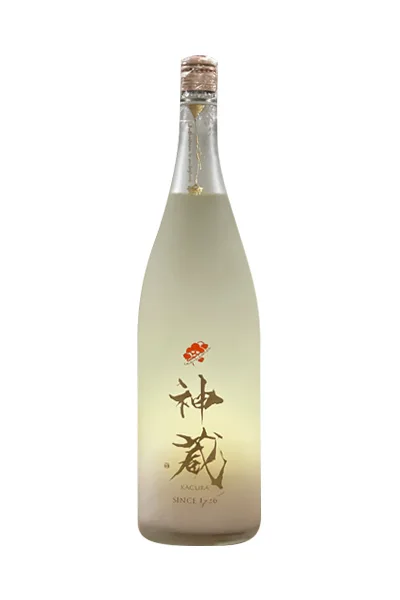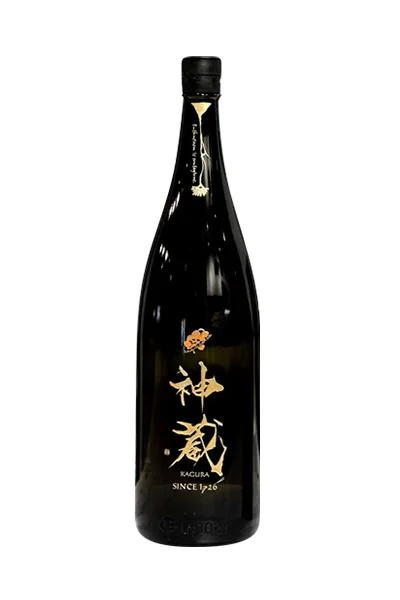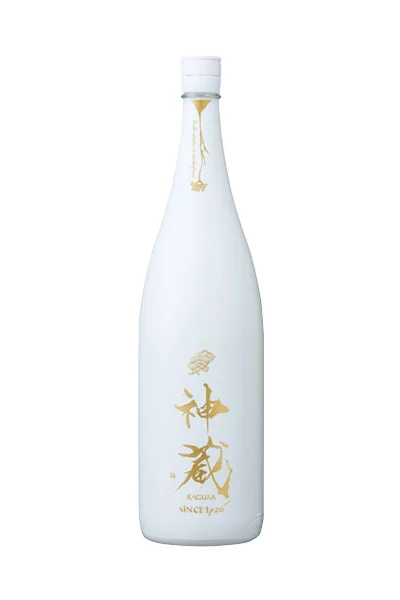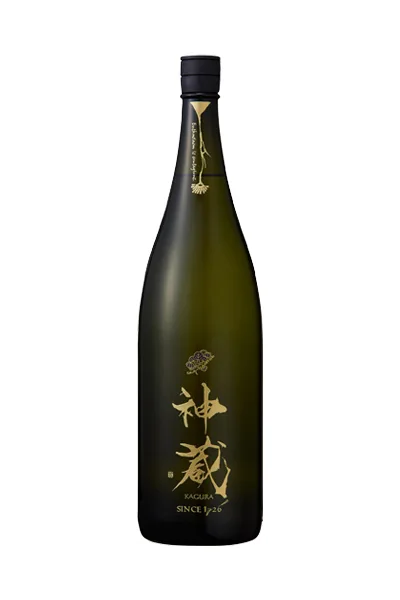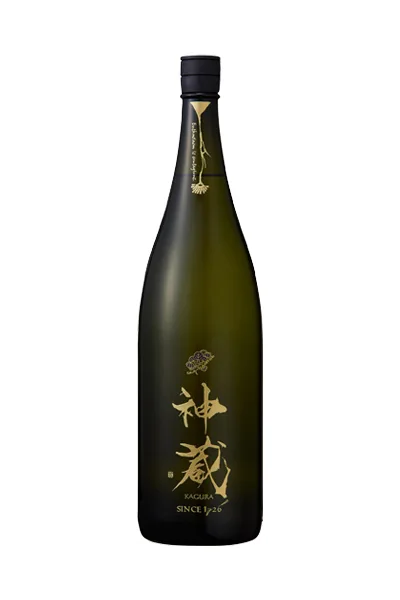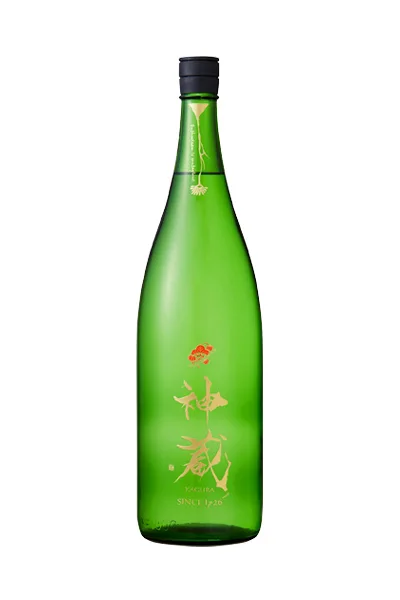
Junmai Daiginjo Kagura Aiyama Nama
純米大吟醸 神蔵KAGURA 愛山 生酒Junmai daiginjo, Aiyama rice polished to 50%, unpasteurized (nama)
Kagura — Matsui Shuzo, Kyoto
Deep and complex, with umami that spreads through every sip
Specifications
- Type
- Junmai Daiginjo
- Rice
- Aiyama
- Rice polishing ratio
- 50%50% of each grain polished away
- Yeast
- Not disclosed
- Alcohol
- 15–17%
How to read these
- Type
- The grade printed on the label. It depends on the ingredients (rice only, or with a little distilled alcohol) and on how far the rice is polished. More
- Rice
- The rice variety. Most premium sake uses varieties grown for brewing, such as Yamada Nishiki. More
- Rice polishing ratio
- How much of each grain is left after polishing. A lower number means more was milled away, which usually gives a lighter, more aromatic sake. More
- Yeast
- The yeast strain, which shapes the aroma. More
- Alcohol
- Alcohol by volume. Most sake is 15–16%; undiluted (genshu) sake is often 17–18%. More
Flavor profile Full & complex
Full & complex — aromatic and full-bodied, including aged sake. Known in Japan as juku-shu (熟酒).
The text describes a Aiyama junmai daiginjo polished to 50% with deep, concentrated umami and sweetness, pointing to a rich, full-bodied profile. Daiginjo-level polish supports a moderately aromatic character, while the unfiltered nama bottling keeps it lively.
Estimated by AI from the published specifications and the brewery's description; your impression may differ.
About
This is a Junmai Daiginjo sake made with 50% polished Aiyama, a rare sake rice. Aiyama is a sake rice with roots in Yamada Nishiki, known as the king of sake rice, and Omachi, one of Japan's oldest native varieties. Its large grains dissolve easily in the moromi (fermentation mash), tending to concentrate the umami of the rice. Because it also tends to carry a somewhat higher level of off-flavors, Matsui Shuzo does not ship freshly pressed sake right away. Instead, it is aged unpasteurized in bottles at sub-zero temperatures until it matures into a well-balanced flavor. Off-flavors turn into umami, and the rough edges mellow into a soft, concentrated sweetness. At present, the brewery is considering brewing one tank per year. No filtration is performed at all, and depending on the timing of bottling, some rice components may remain in the bottle. As a namazake (unpasteurized sake), the lively energy of the living yeast comes straight through to the palate.
Other sake from this brand 15
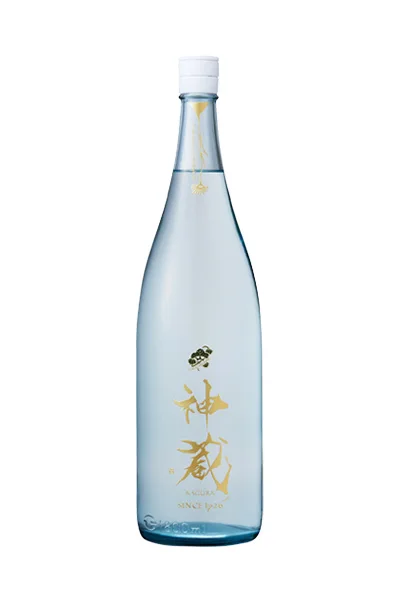
- Junmai Kagura Namazake (Clear)純米 神蔵KAGURA 生酒(クリア)
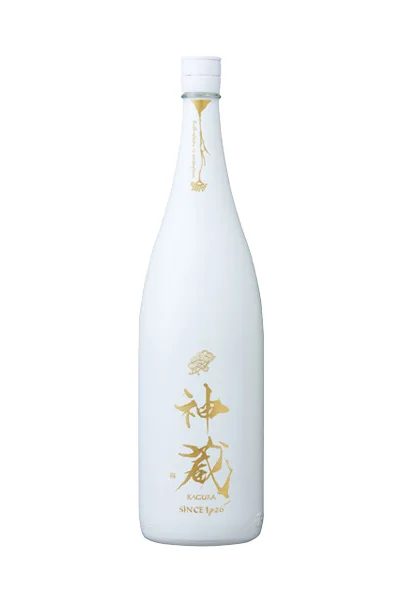
- Junmai Daiginjo Kagura Namazake (White)純米大吟醸 神蔵KAGURA 生酒(白)
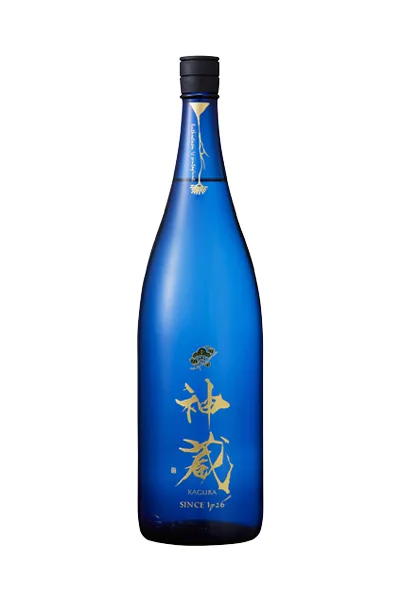
- Kagura Junmai Nama (Ruri)純米 神蔵KAGURA 生酒(ルリ)
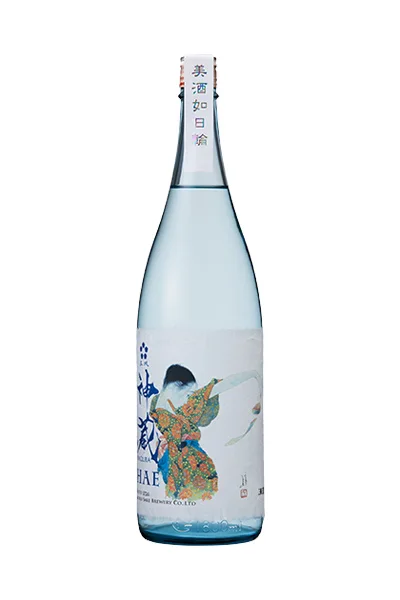
- Kagura Minamikaze HAE Namazake (Summer Limited)神蔵 南風HAE 生酒(夏季限定)
- Kagura Nigori Hisoka Namazake神蔵KAGURA にごり酒 ひそか 生酒
- Junmai Daiginjo Kagura Assemblage Nama (Limited Betsu-atsurae)純米大吟醸 神蔵KAGURA アッサンブラージュ 生酒(限定特別誂)
- Kagura Junmai Daiginjo Hitotsubi (Shiro)純米大吟醸 神蔵KAGURA 一火(白)
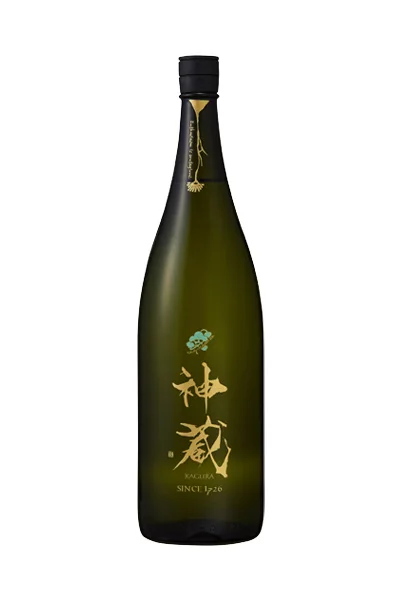
- Kagura Junmai Daiginjo Nama (Black)純米大吟醸 神蔵KAGURA 生酒(黒)
- Kagura Junmai Daiginjo Hitotsubi (Kuro)純米大吟醸 神蔵KAGURA 一火(黒)
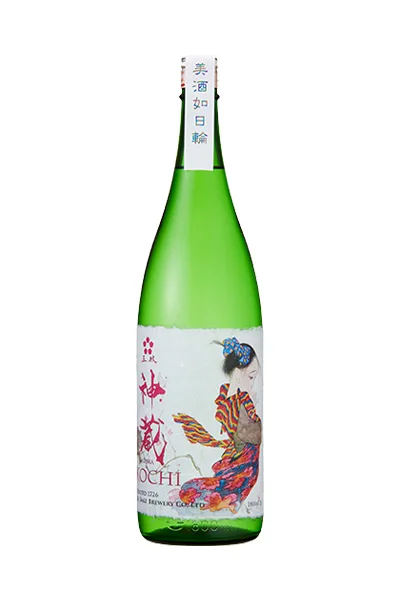
- Kagura Kochi (Spring Limited)神蔵 東風KOCHI(春季限定)
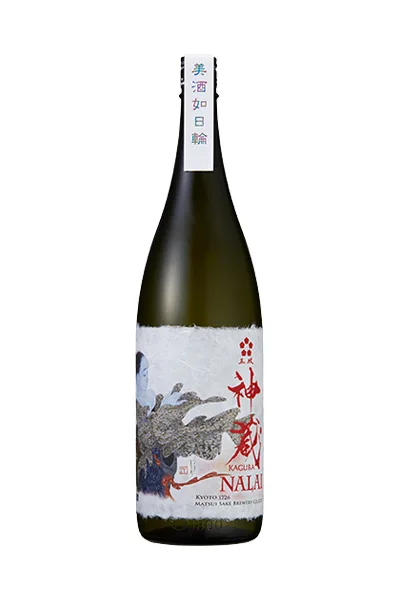
- Kagura Nishikaze NALAI Namazake (Autumn Limited)神蔵 西風NALAI 生酒(秋季限定)
- Junmai Daiginjo Kagura Kyo no Hikaru Namazake純米大吟醸 神蔵KAGURA 京の輝き 生酒