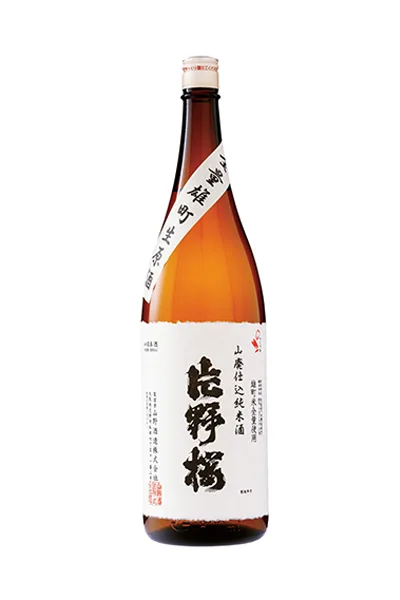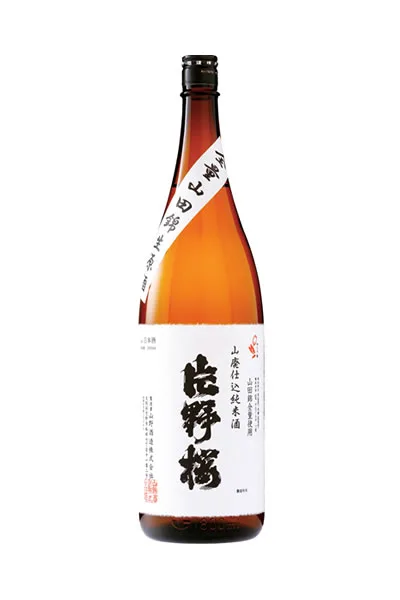
Katanosakura Yamahai Shikomi Junmai sake Muroka Nama Genshu Yamada Nishiki
片野桜 山廃仕込 純米酒 無濾過 生原酒 山田錦Junmai, Yamada Nishiki rice polished to 65%, yamahai starter, unfiltered, unpasteurized and undiluted (muroka nama genshu)
Katanosakura — Yamano Shuzo, Osaka
Deep richness with a pleasing touch of acidity and a rounded, full-bodied taste.
Specifications
- Type
- Junmai Shu
- Rice
- Yamada Nishiki
- Rice polishing ratio
- 65%35% of each grain polished away
- Yeast
- Kyokai No. 6
- Alcohol
- 17%
- Sake meter value
- +4dry
- Acidity
- 2.1
How to read these
- Type
- The grade printed on the label. It depends on the ingredients (rice only, or with a little distilled alcohol) and on how far the rice is polished. More
- Rice
- The rice variety. Most premium sake uses varieties grown for brewing, such as Yamada Nishiki. More
- Rice polishing ratio
- How much of each grain is left after polishing. A lower number means more was milled away, which usually gives a lighter, more aromatic sake. More
- Yeast
- The yeast strain, which shapes the aroma. More
- Alcohol
- Alcohol by volume. Most sake is 15–16%; undiluted (genshu) sake is often 17–18%. More
- Sake meter value
- A sweet-to-dry scale. Plus is drier, minus is sweeter. Acidity changes how it tastes, so treat it as a rough guide. More
- Acidity
- Total acid. Higher tends to taste fuller and drier; lower tastes lighter and sweeter. More
Flavor profile Rich & umami
Rich & umami — rice-driven umami and a fuller body. Known in Japan as jun-shu (醇酒).
The brewery text's deep koku and full, rounded body match the yamahai, nama genshu specs at 17% alcohol, pointing to a restrained aroma with strong umami. An SMV of +4 and acidity of 2.1 give a crisp finish with low perceived sweetness.
Estimated by AI from the published specifications and the brewery's description; your impression may differ.
About
An unfiltered, undiluted nama genshu junmai sake brewed with yamahai (traditional yeast-starter method) and made with 100% Yamada Nishiki rice. It is rich and full-bodied, with a clean finish and an exceptionally well-balanced profile, making it an excellent example of its style. Its rounded, full-bodied character is especially recommended for experienced sake drinkers. Katanosakura's basic brewing philosophy is to make each sake true to its own character (sono sake rashiku). For yamahai-style sake, the brewers work to bring out the full range of umami and acidity so that the distinctive qualities of each type of sake are expressed more clearly.
Other sake from this brand 16
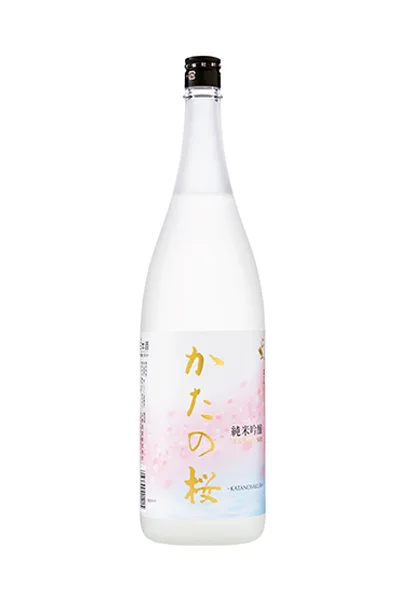
- Katanosakura Junmai Ginjo Katano Sakura片野桜 純米吟醸 かたの桜
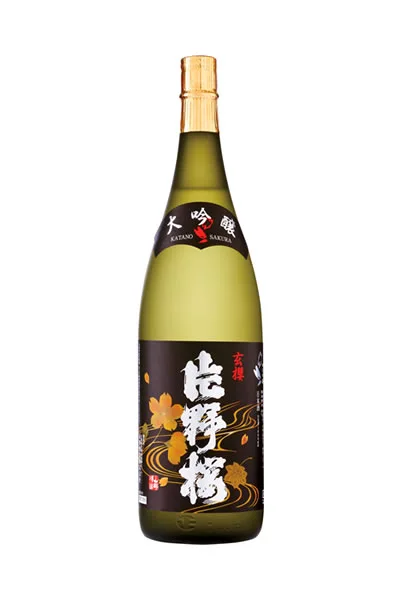
- Katanosakura Daiginjo Genō片野桜 大吟醸 玄櫻
- Katanosakura Tokubetsu Junmai Muroka Nama Genshu片野桜 特別純米酒 無濾過生原酒
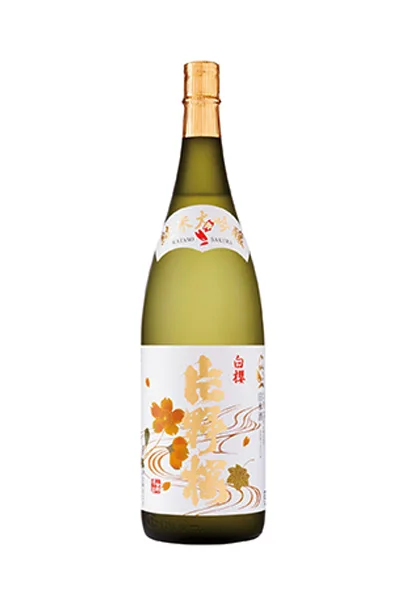
- Katanosakura Junmai Daiginjo Shirozakura片野桜 純米大吟醸 白櫻
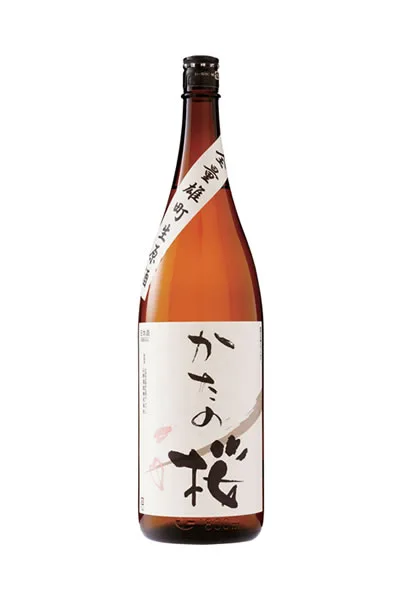
- Katanosakura Yamahai Shikomi Junmai Muroka Nama Genshu Omachi片野桜 山廃仕込 純米酒 無濾過 生原酒 雄町
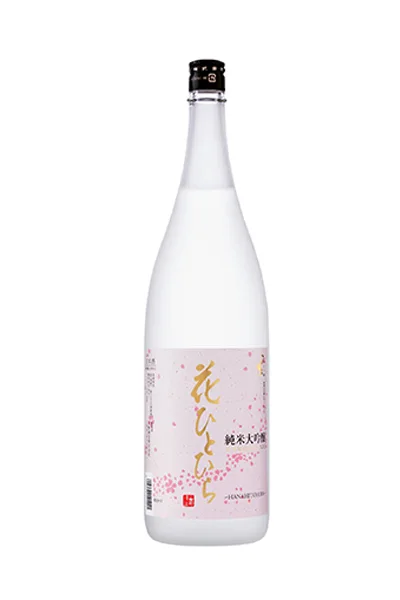
- Katanosakura Junmai Daiginjo Katano Sakura Hana Hitohira片野桜 純米大吟醸 かたの桜 花ひとひら
- Katanosakura Daiginjo Shizuku片野桜 大吟醸 雫
- Katanosakura Nigorizake片野桜 にごり酒
- Katanosakura Shiboritate Kuradashi片野桜 しぼりたて 蔵出し
- Katanosakura Ginjo片野桜 吟醸酒
- Katanosakura Shiboritate Junnama Hakki片野桜 しぼりたて 純生白貴
- Katanosakura Tokubetsu Honjozo片野桜 特別本醸造