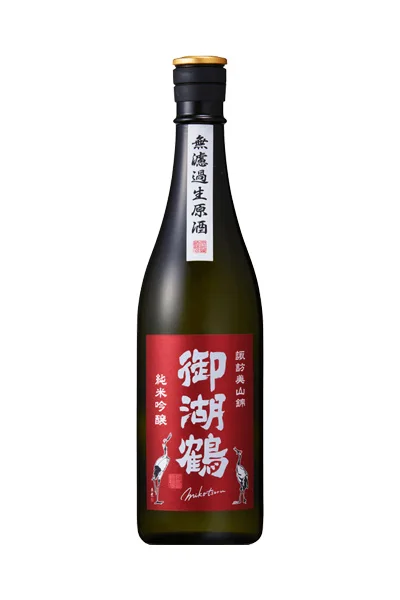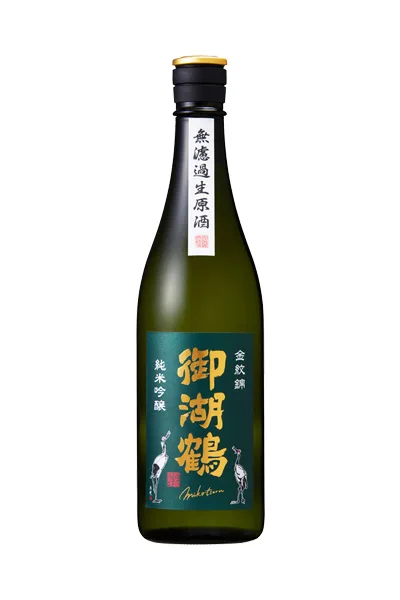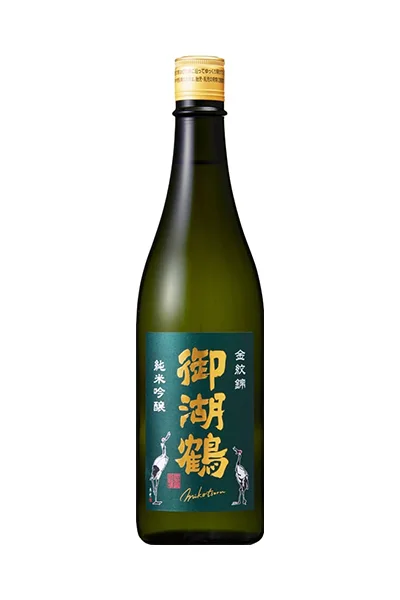
Mikotsuru Junmai Ginjo Kinmon Nishiki
御湖鶴 純米吟醸 金紋錦Junmai ginjo, Kinmon Nishiki rice polished to 50%
Mikotsuru — Suwamikotsuru Sakebrewery, Nagano
Crafted from Kinmon Nishiki sake rice grown by contract farmers at the foot of the Northern Alps in Nagano.
Specifications
- Type
- Junmai Ginjo
- Rice
- Kinmon Nishiki
- Rice polishing ratio
- 50%50% of each grain polished away
- Yeast
- Not disclosed
- Alcohol
- 16%
- Acidity
- 1.8
How to read these
- Type
- The grade printed on the label. It depends on the ingredients (rice only, or with a little distilled alcohol) and on how far the rice is polished. More
- Rice
- The rice variety. Most premium sake uses varieties grown for brewing, such as Yamada Nishiki. More
- Rice polishing ratio
- How much of each grain is left after polishing. A lower number means more was milled away, which usually gives a lighter, more aromatic sake. More
- Yeast
- The yeast strain, which shapes the aroma. More
- Alcohol
- Alcohol by volume. Most sake is 15–16%; undiluted (genshu) sake is often 17–18%. More
- Acidity
- Total acid. Higher tends to taste fuller and drier; lower tastes lighter and sweeter. More
Flavor profile Full & complex
Full & complex — aromatic and full-bodied, including aged sake. Known in Japan as juku-shu (熟酒).
The junmai ginjo specs (50% polishing, 1.8 acidity) and the description of deep, complex umami and fruity freshness point to a fragrant aroma with a rich, layered body. The gassy, fresh character suggests only moderate sweetness.
Estimated by AI from the published specifications and the brewery's description; your impression may differ.
About
Kinmon Nishiki is known as a 'legendary sake rice' (maboroshi no sakamai), and it produces a deep, complex umami. At our brewery, we bottle the Nama Genshu and then heat-sterilize it in a hot-water bath, followed by rapid cooling. This method requires considerable labor, time, and cost. As a result, although the sake is pasteurized (hiire), it has a lively, effervescent sensation and is fresh and fruity.
Other sake from this brand 19
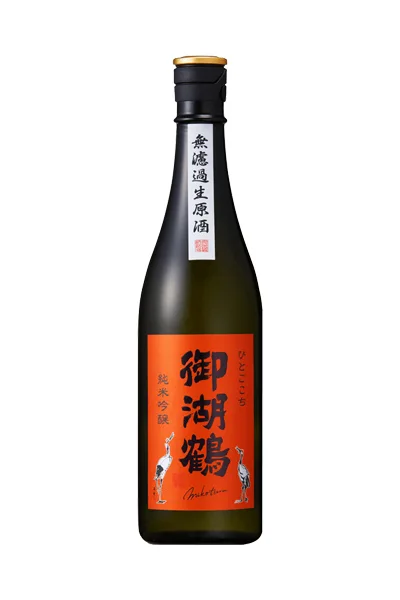
- Mikotsuru Junmai Ginjo Hitogokochi Muroka Nama Genshu御湖鶴 純米吟醸 ひとごこち 無濾過生原酒
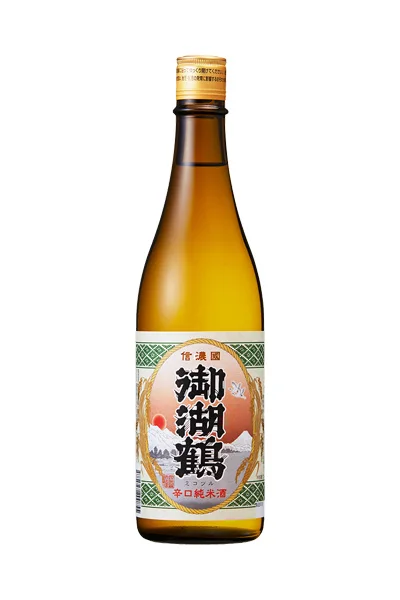
- Mikotsuru Junmai Dry Hiire御湖鶴 純米辛口 火入れ
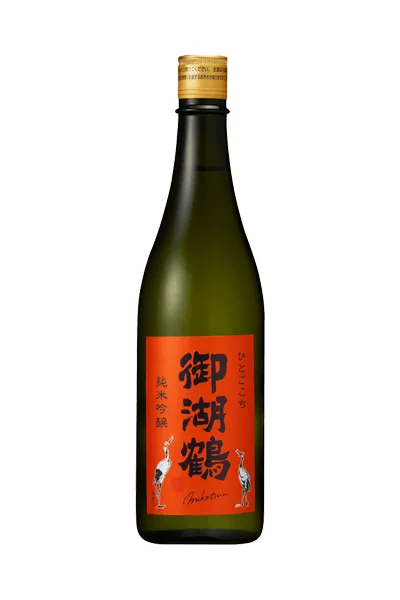
- Mikotsuru Junmai Ginjo Hitogokochi Hiire御湖鶴 純米吟醸 ひとごこち 火入れ
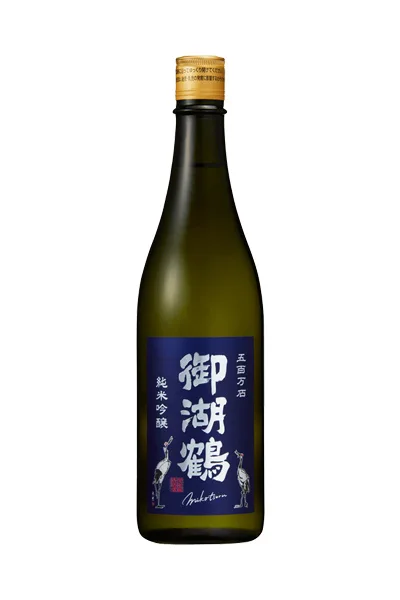
- Mikotsuru Junmai Ginjo Gohyakumangoku Hiire御湖鶴 純米吟醸 五百万石 火入れ
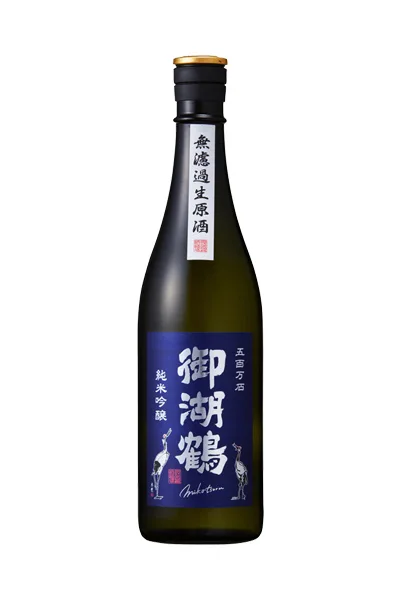
- Mikotsuru Junmai Ginjo Gohyakumangoku Muroka Nama Genshu御湖鶴 純米吟醸 五百万石 無濾過生原酒
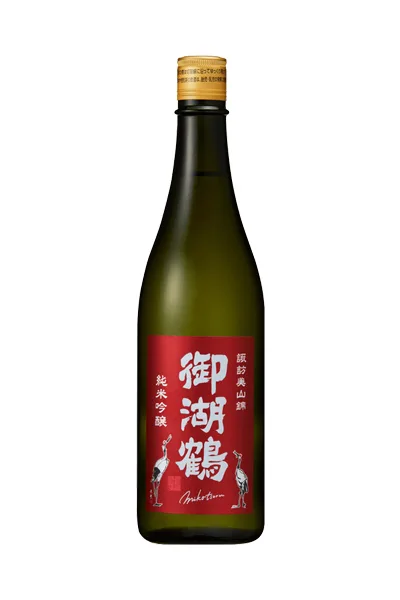
- Mikotsuru Junmai Ginjo Suwa Miyama Nishiki Hiire御湖鶴 純米吟醸 諏訪美山錦 火入れ
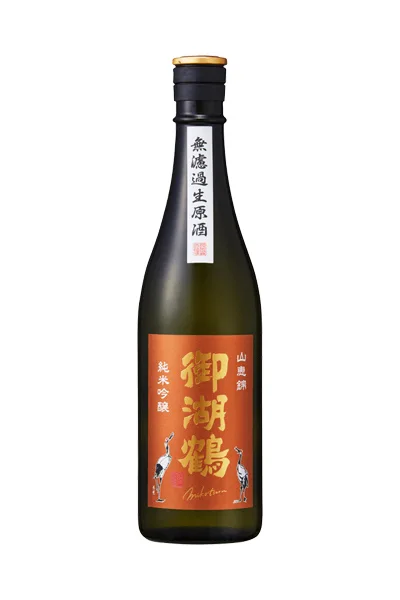
- Mikotsuru Junmai Ginjo Sankei Nishiki Muroka Nama Genshu御湖鶴 純米吟醸 山恵錦 無濾過生原酒
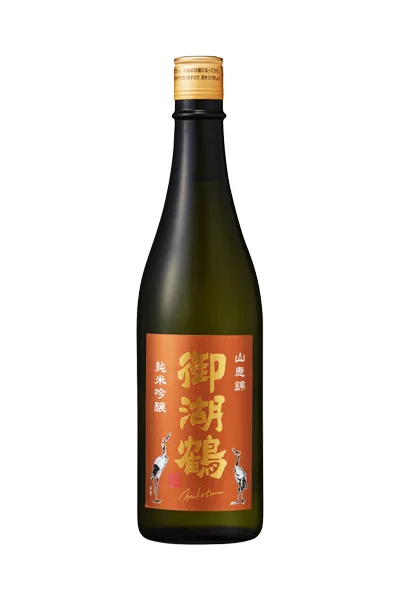
- Mikotsuru Junmai Ginjo Sankei Nishiki Hiire御湖鶴 純米吟醸 山恵錦 火入れ
- Mikotsuru Junmai Ginjo Suwa Miyama Nishiki Muroka Nama Genshu御湖鶴 純米吟醸 諏訪美山錦 無濾過生原酒
- Mikotsuru Junmai Karakuchi Origarami Muroka Nama Genshu御湖鶴 純米辛口 おりがらみ 無濾過生原酒
- Mikotsuru Junmai Dry Muroka Nama Genshu御湖鶴 純米辛口 無濾過生原酒
- Mikotsuru Junmai Ginjo Kinmon Nishiki Muroka Nama Genshu御湖鶴 純米吟醸 金紋錦 無濾過生原酒