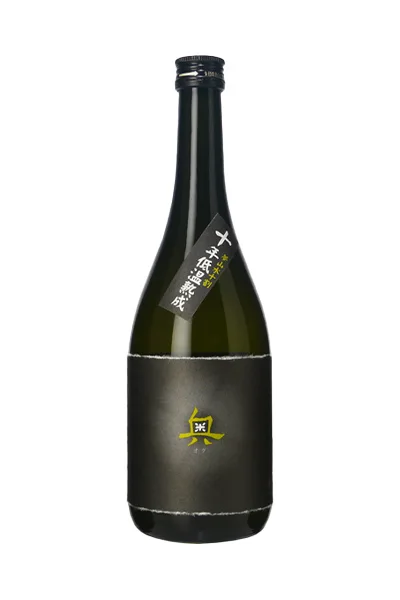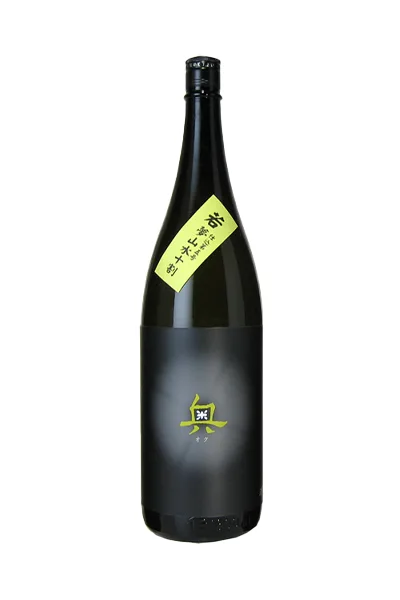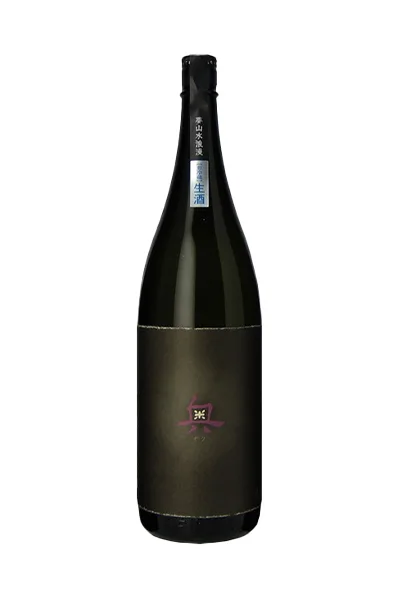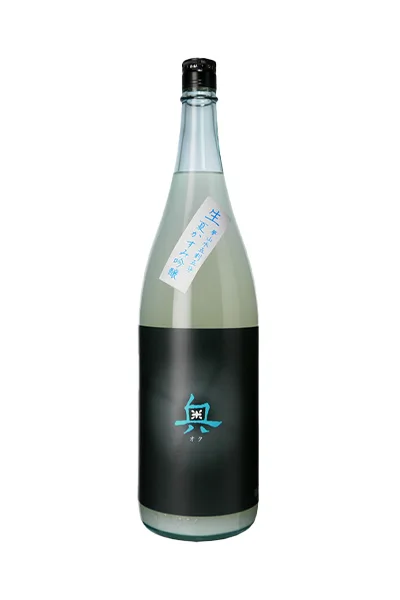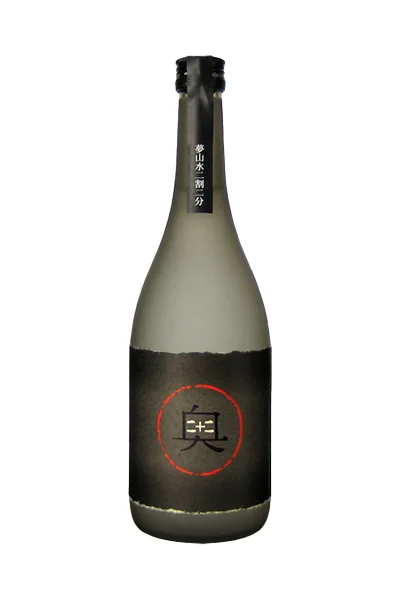
Oku Yume Sansui Niwari Nibu
奥 夢山水 二割二分Junmai daiginjo, rice polished to 22%, undiluted (genshu)
Oku — Yamazaki Goshi, Aichi
Exploring the potential of Yume Sansui, a premium sake rice grown under contract in Okumikawa, to create our sake Oku.
Specifications
- Type
- Junmai Daiginjo
- Rice
- Not disclosed
- Rice polishing ratio
- 22%78% of each grain polished away
- Yeast
- Not disclosed
- Alcohol
- 16.5%
- Sake meter value
- +2slightly dry
- Acidity
- 1.6
How to read these
- Type
- The grade printed on the label. It depends on the ingredients (rice only, or with a little distilled alcohol) and on how far the rice is polished. More
- Rice
- The rice variety. Most premium sake uses varieties grown for brewing, such as Yamada Nishiki. More
- Rice polishing ratio
- How much of each grain is left after polishing. A lower number means more was milled away, which usually gives a lighter, more aromatic sake. More
- Yeast
- The yeast strain, which shapes the aroma. More
- Alcohol
- Alcohol by volume. Most sake is 15–16%; undiluted (genshu) sake is often 17–18%. More
- Sake meter value
- A sweet-to-dry scale. Plus is drier, minus is sweeter. Acidity changes how it tastes, so treat it as a rough guide. More
- Acidity
- Total acid. Higher tends to taste fuller and drier; lower tastes lighter and sweeter. More
Flavor profile Aromatic & light
Aromatic & light — fruity, floral aroma with a light body. Known in Japan as kun-shu (薫酒).
A 22% polishing ratio in a junmai daiginjo points to an aromatic, elegant profile, consistent with the text's description of a refined, graceful sake. SMV +2, acidity 1.6 and a 16.5% genshu strength suggest a moderate, lightly structured body with restrained sweetness.
Estimated by AI from the published specifications and the brewery's description; your impression may differ.
About
This time, we focused on the polishing characteristics of Yume Sansui. This sake rice was said to shatter when polished below a rice polishing ratio of 50%. However, when we polished it ourselves slowly and with the utmost care, we were able to polish it cleanly not only to 40%, but even below 30%. We were made to realize the seemingly limitless polishing potential of Yume Sansui, and we drew the line at 22%. From these lovely grains of rice, we obtained a graceful sake with a refined elegance. The depth of our sake Oku has grown even greater.
Other sake from this brand 11
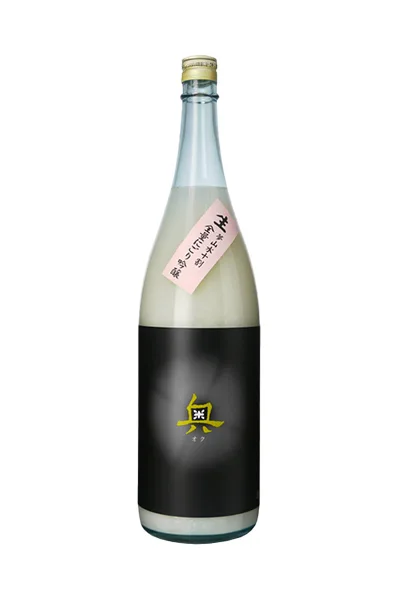
- Oku Zenryo Nigori Ginjo奥 全量にごり吟醸
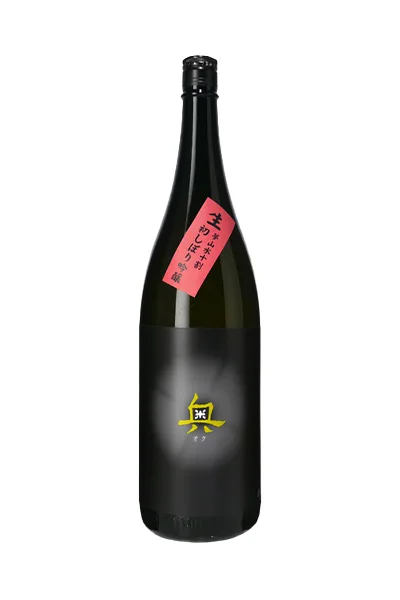
- Oku Hatsushibori Ginjo奥 初しぼり 吟醸
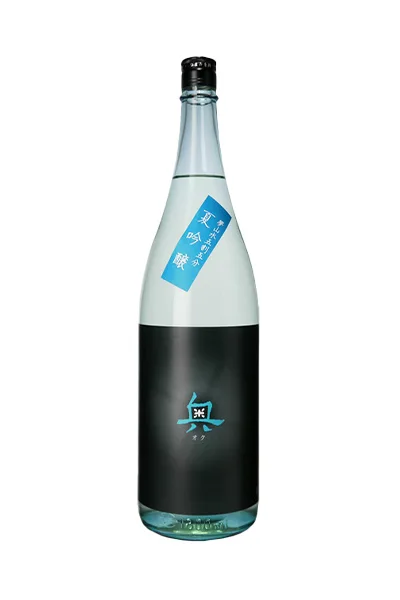
- Oku Yume Sansui Natsu Ginjo奥 夢山水 夏吟醸
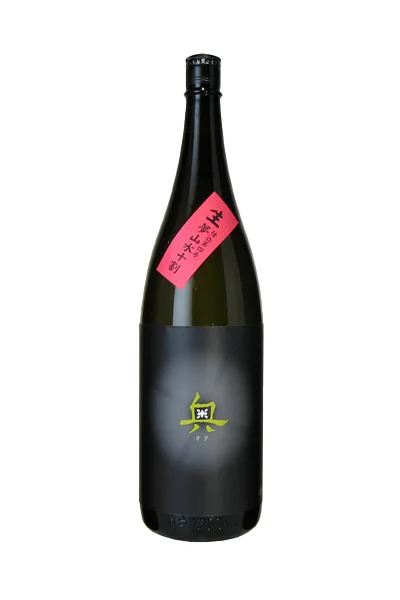
- Oku Yume Sansui Juwari Nama奥 夢山水 十割 生
- Oku Yume Sansui Juwari Junen Teion Jukusei奥 夢山水 十割 十年低温熟成
- Oku Yume Sansui Juwari Waka奥 夢山水 十割 若
- Oku Yume Sansui Roman奥 夢山水 浪漫
- Oku Yume Sansui Natsu Kasumi Ginjo奥 夢山水 夏かすみ吟醸
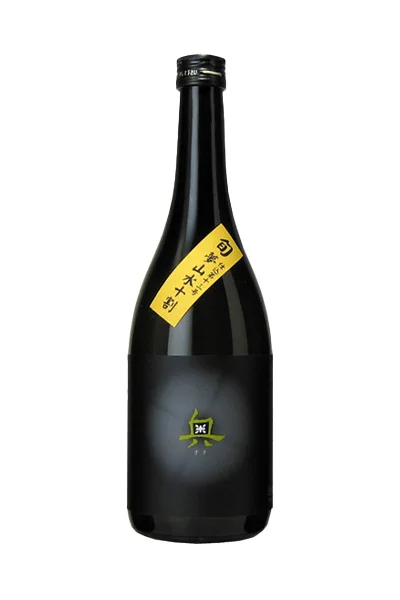
- Oku Yume Sansui Juwari Shun奥 夢山水 十割 旬
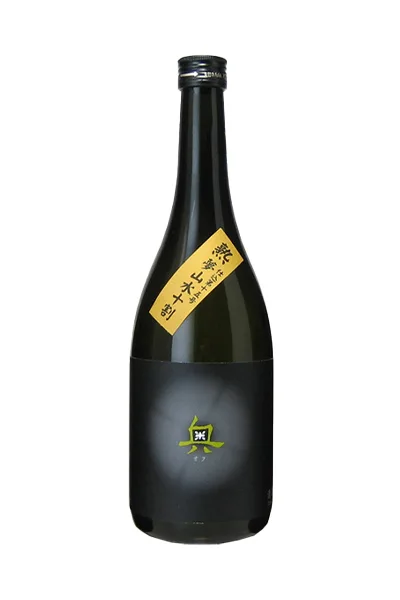
- Oku Yume Sansui Juwari Juku奥 夢山水 十割 熟
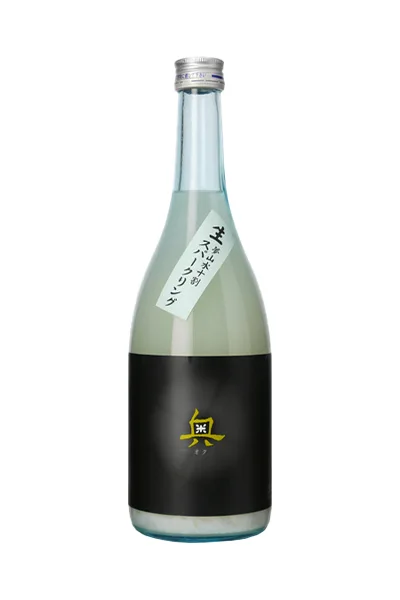
- Oku Sparkling奥 スパークリング