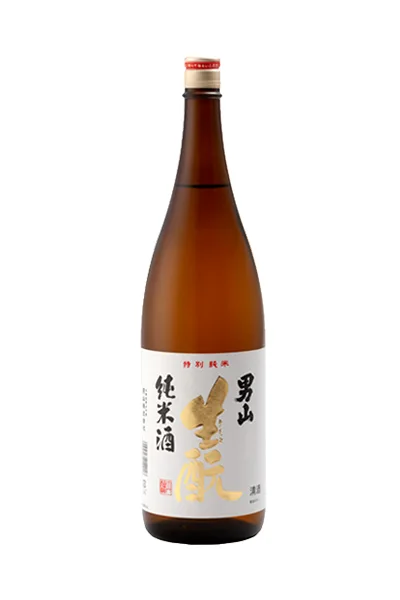
Otokoyama (Hokkaido) Kimoto Junmai
男山(北海道) 生酛 純米Junmai, Gin Ginga rice polished to 60%, kimoto starter
Otokoyama — Otokoyama, Hokkaido
A traditional brewing method that brings out the pure umami of rice.
Specifications
- Type
- Junmai Shu
- Rice
- Ginga
- Rice polishing ratio
- 60%40% of each grain polished away
- Yeast
- Not disclosed
- Alcohol
- 15%
- Sake meter value
- +4dry
- Acidity
- 1.6
How to read these
- Type
- The grade printed on the label. It depends on the ingredients (rice only, or with a little distilled alcohol) and on how far the rice is polished. More
- Rice
- The rice variety. Most premium sake uses varieties grown for brewing, such as Yamada Nishiki. More
- Rice polishing ratio
- How much of each grain is left after polishing. A lower number means more was milled away, which usually gives a lighter, more aromatic sake. More
- Yeast
- The yeast strain, which shapes the aroma. More
- Alcohol
- Alcohol by volume. Most sake is 15–16%; undiluted (genshu) sake is often 17–18%. More
- Sake meter value
- A sweet-to-dry scale. Plus is drier, minus is sweeter. Acidity changes how it tastes, so treat it as a rough guide. More
- Acidity
- Total acid. Higher tends to taste fuller and drier; lower tastes lighter and sweeter. More
Flavor profile Rich & umami
Rich & umami — rice-driven umami and a fuller body. Known in Japan as jun-shu (醇酒).
Kimoto junmai at 60% polishing with SMV +4 and acidity 1.6 reads as dry and rich, matching the description of 芳醇な辛口. Aroma is restrained, with body and umami leading, placing it in the jun quadrant.
Estimated by AI from the published specifications and the brewery's description; your impression may differ.
About
Kimoto (traditional yeast-starter method) is a traditional brewing method in which yeast is cultivated by hand, making use of natural forces. Made with only rice and rice koji, this kimoto junmai is a full-bodied, rich, dry sake. Served chilled (hiya), it is crisp and clean, and when warmed (kan), its flavor swells and deepens. Its character shifts with temperature, so we encourage you to enjoy how it changes across the temperature range.
Other sake from this brand 24
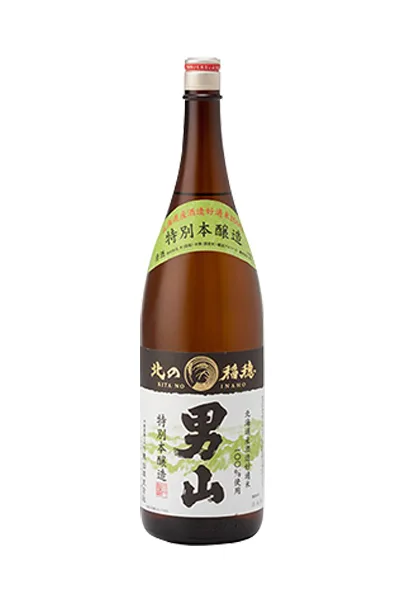
- Otokoyama (Hokkaido) Tokubetsu Honjozo男山(北海道) 特別本醸造
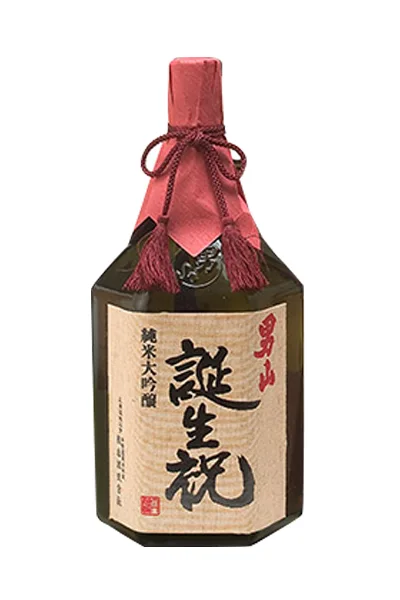
- Otokoyama (Hokkaido) Junmai Daiginjo Tanjo Iwai男山(北海道) 純米大吟醸 誕生祝
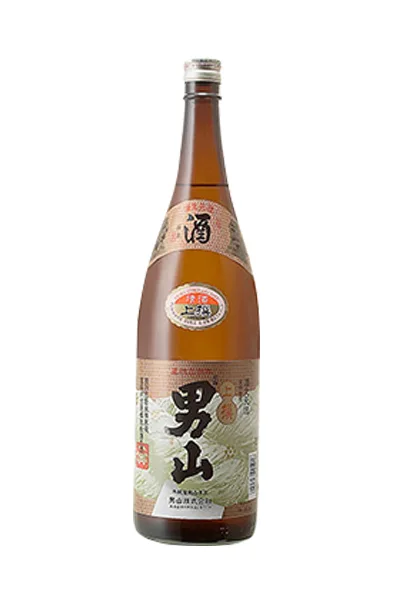
- Otokoyama (Hokkaido) Josen男山(北海道) 上撰
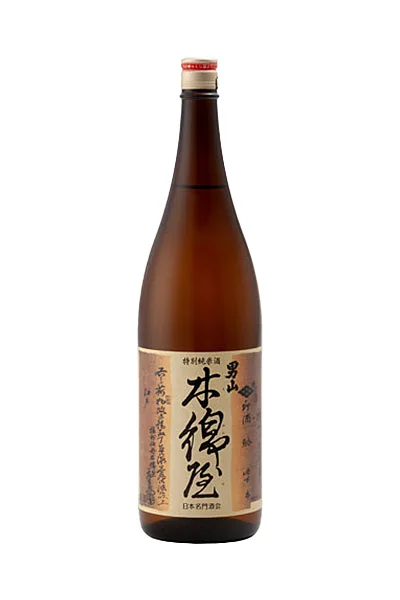
- Otokoyama (Hokkaido) Tokubetsu Junmai Momenya男山(北海道) 特別純米酒 木綿屋
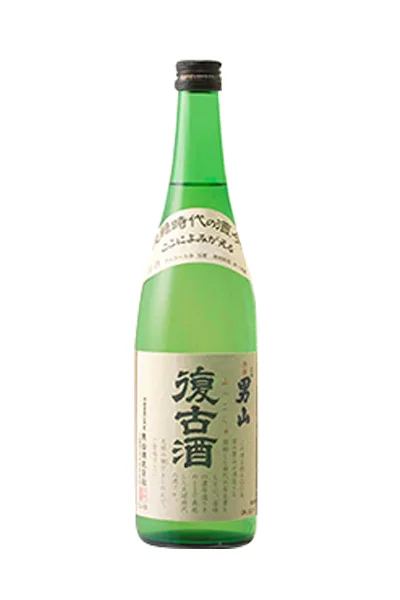
- Otokoyama (Hokkaido) Fukkoshu男山(北海道) 復古酒
- Otokoyama (Hokkaido) Tokubetsu Junmai Hiyaoroshi男山(北海道) 特別純米 ひやおろし
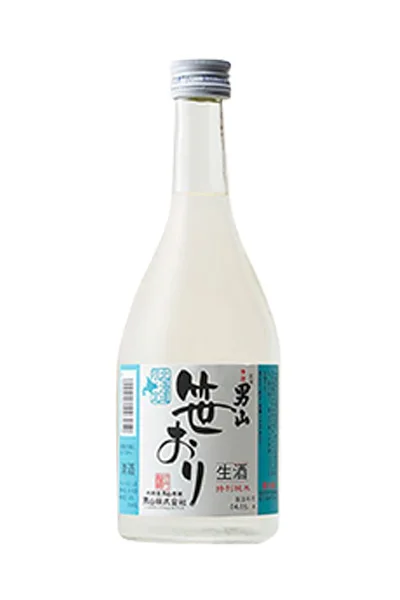
- Otokoyama (Hokkaido) Sasa Origarami男山(北海道) 笹おり
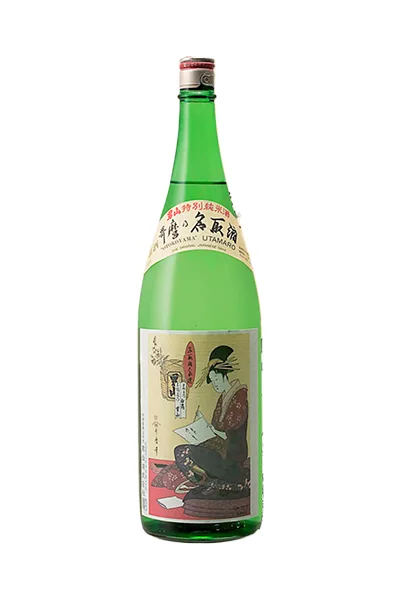
- Otokoyama (Hokkaido) Utamaro no Natorizake男山(北海道) 哥麿乃名取酒
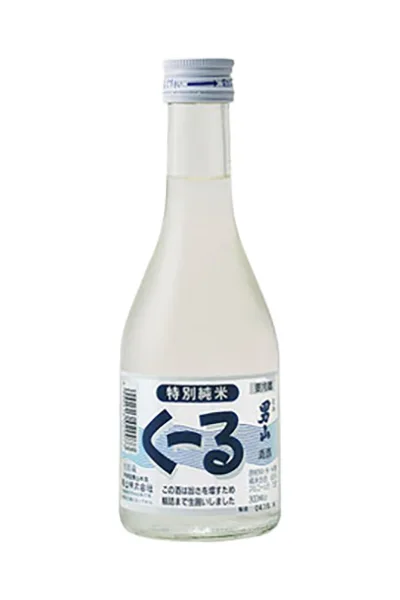
- Otokoyama (Hokkaido) Kuuru男山(北海道) くーる
- Otokoyama (Hokkaido) Kunikaori no Natori Sake男山(北海道) 國芳乃名取酒
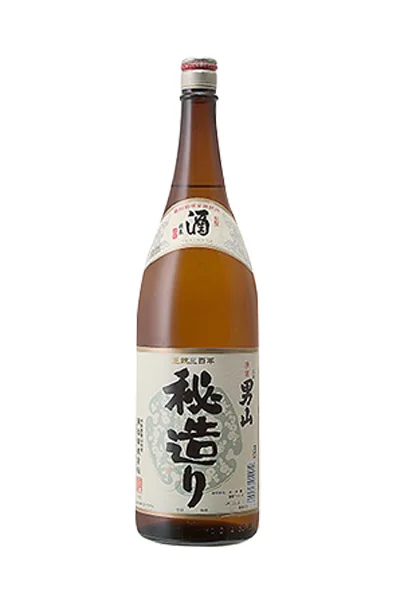
- Otokoyama (Hokkaido) Hizukuri男山(北海道) 秘造り
- Otokoyama (Hokkaido) Yuki Shibare男山(北海道) 雪しばれ