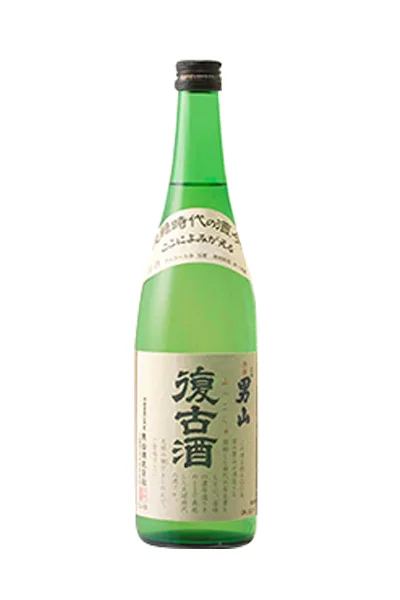
Otokoyama (Hokkaido) Fukkoshu
男山(北海道) 復古酒Junmai, rice polished to 65%, undiluted (genshu)
Otokoyama — Otokoyama, Hokkaido
A faithful revival of a 350-year-old taste: rich, sweet junmai genshu
Specifications
- Type
- Junmai Shu
- Rice
- Not disclosed
- Rice polishing ratio
- 65%35% of each grain polished away
- Yeast
- Not disclosed
- Alcohol
- 16%
- Sake meter value
- -50very sweet
- Acidity
- 3.4
How to read these
- Type
- The grade printed on the label. It depends on the ingredients (rice only, or with a little distilled alcohol) and on how far the rice is polished. More
- Rice
- The rice variety. Most premium sake uses varieties grown for brewing, such as Yamada Nishiki. More
- Rice polishing ratio
- How much of each grain is left after polishing. A lower number means more was milled away, which usually gives a lighter, more aromatic sake. More
- Yeast
- The yeast strain, which shapes the aroma. More
- Alcohol
- Alcohol by volume. Most sake is 15–16%; undiluted (genshu) sake is often 17–18%. More
- Sake meter value
- A sweet-to-dry scale. Plus is drier, minus is sweeter. Acidity changes how it tastes, so treat it as a rough guide. More
- Acidity
- Total acid. Higher tends to taste fuller and drier; lower tastes lighter and sweeter. More
Flavor profile Full & complex
Full & complex — aromatic and full-bodied, including aged sake. Known in Japan as juku-shu (熟酒).
An SMV of -50 and the description of a very sweet, rich junmai genshu point to strong sweetness and a full, umami-heavy body, reinforced by acidity of 3.4. Koshu aging suggests mature, complex notes, with aroma moderate rather than fruity.}
Estimated by AI from the published specifications and the brewery's description; your impression may differ.
About
This sake recreates a rich junmai brewing method (noko shikomi) recorded in old documents from the Genroku era (1688-1704). As an undiluted junmai sake (genshu), it is known for its thick, syrupy sweetness. It is often described as one of the sweetest sakes, with a moreish umami that can become habit-forming. We hope you will try it at least once.
Other sake from this brand 24
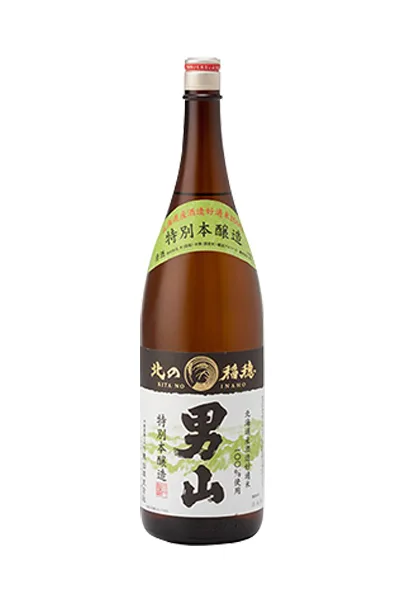
- Otokoyama (Hokkaido) Tokubetsu Honjozo男山(北海道) 特別本醸造
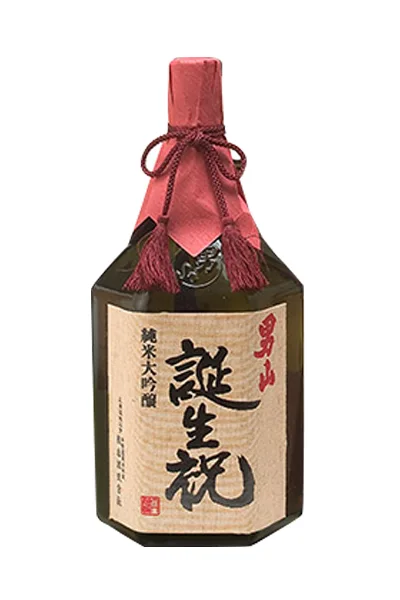
- Otokoyama (Hokkaido) Junmai Daiginjo Tanjo Iwai男山(北海道) 純米大吟醸 誕生祝
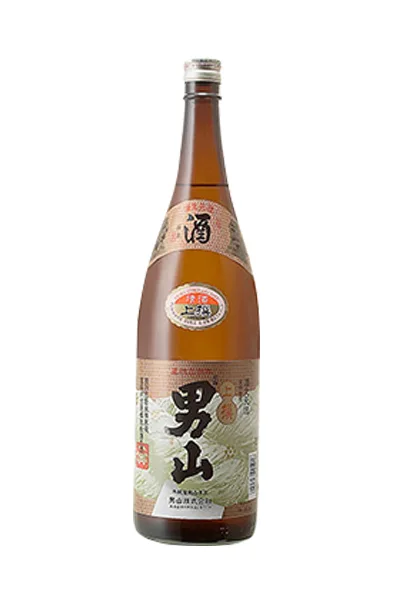
- Otokoyama (Hokkaido) Josen男山(北海道) 上撰
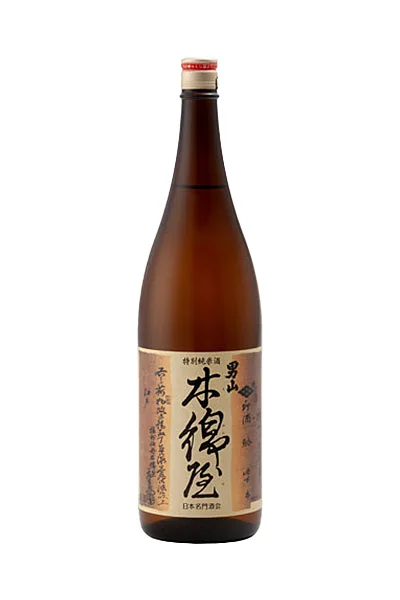
- Otokoyama (Hokkaido) Tokubetsu Junmai Momenya男山(北海道) 特別純米酒 木綿屋
- Otokoyama (Hokkaido) Tokubetsu Junmai Hiyaoroshi男山(北海道) 特別純米 ひやおろし
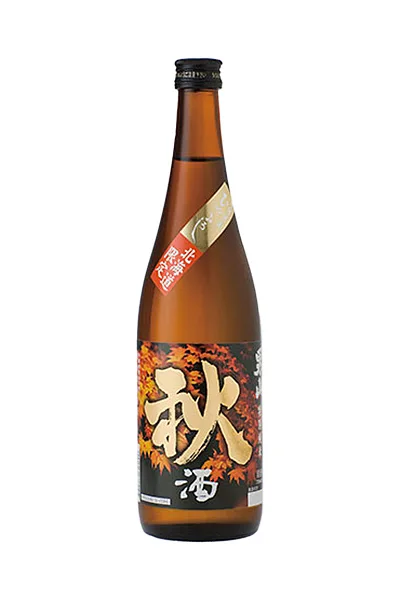
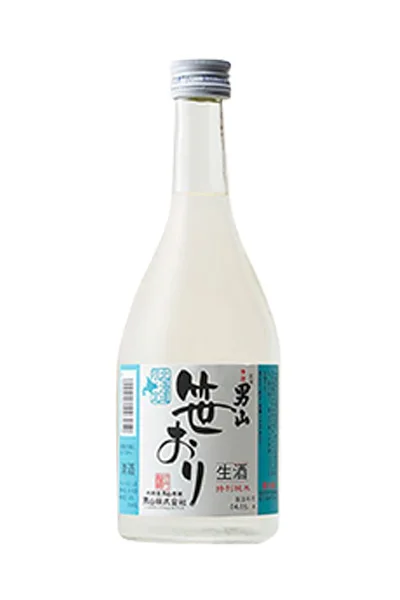
- Otokoyama (Hokkaido) Sasa Origarami男山(北海道) 笹おり
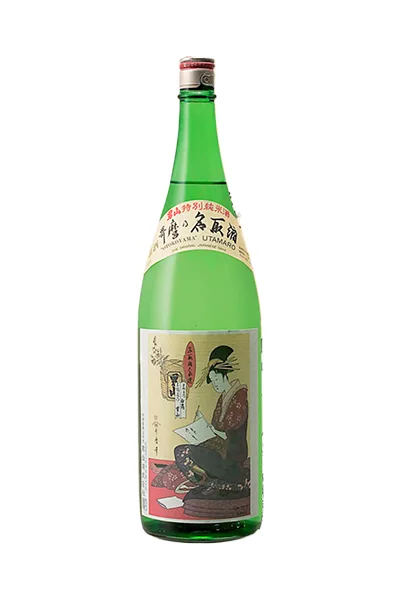
- Otokoyama (Hokkaido) Utamaro no Natorizake男山(北海道) 哥麿乃名取酒
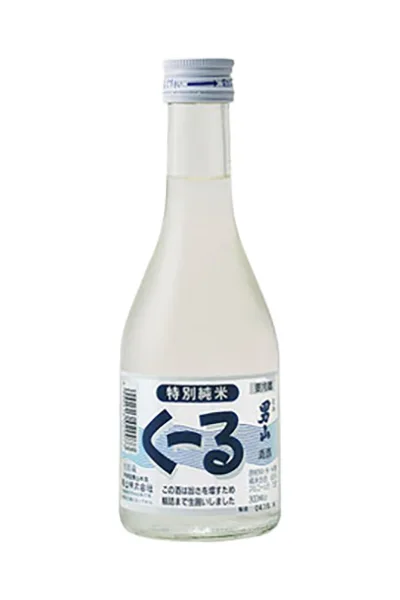
- Otokoyama (Hokkaido) Kuuru男山(北海道) くーる
- Otokoyama (Hokkaido) Kunikaori no Natori Sake男山(北海道) 國芳乃名取酒
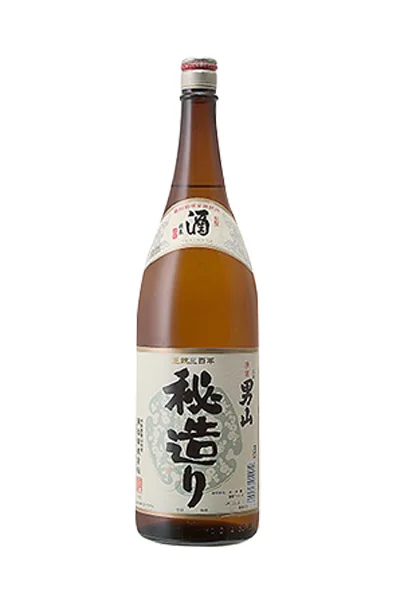
- Otokoyama (Hokkaido) Hizukuri男山(北海道) 秘造り
- Otokoyama (Hokkaido) Yuki Shibare男山(北海道) 雪しばれ
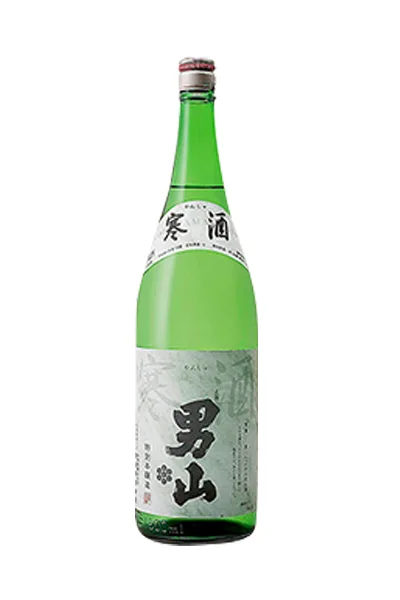
- Otokoyama Kansake (Hokkaido)男山(北海道) 寒酒