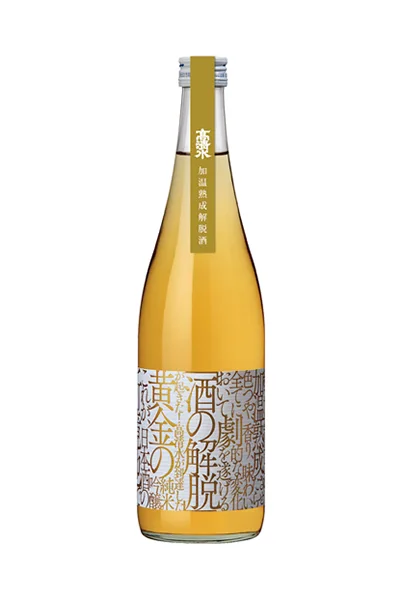
Takashimizu Kanon Jukusei Gedatsu Shu
高清水 加温熟成解脱酒Junmai ginjo, Akita Sake Komachi rice polished to 55%, warm-aged (koshu)
Takashimizu — Akita Shurui Seizo, Akita
A gentle, mellow aged aroma and a refreshing fruit-like acidity in fine balance
Specifications
- Type
- Junmai Ginjo
- Rice
- Akita Sakekomachi
- Rice polishing ratio
- 55%45% of each grain polished away
- Yeast
- Not disclosed
- Alcohol
- 13%
- Sake meter value
- -30very sweet
- Acidity
- 3.4
How to read these
- Type
- The grade printed on the label. It depends on the ingredients (rice only, or with a little distilled alcohol) and on how far the rice is polished. More
- Rice
- The rice variety. Most premium sake uses varieties grown for brewing, such as Yamada Nishiki. More
- Rice polishing ratio
- How much of each grain is left after polishing. A lower number means more was milled away, which usually gives a lighter, more aromatic sake. More
- Yeast
- The yeast strain, which shapes the aroma. More
- Alcohol
- Alcohol by volume. Most sake is 15–16%; undiluted (genshu) sake is often 17–18%. More
- Sake meter value
- A sweet-to-dry scale. Plus is drier, minus is sweeter. Acidity changes how it tastes, so treat it as a rough guide. More
- Acidity
- Total acid. Higher tends to taste fuller and drier; lower tastes lighter and sweeter. More
Flavor profile Full & complex
Full & complex — aromatic and full-bodied, including aged sake. Known in Japan as juku-shu (熟酒).
SMV of -30 and the description of a sweet, gentle aged aroma point to a sweet profile, while acidity of 3.4 with fruit-like tartness adds structure. The 13% alcohol and smooth, fresh finish suggest a moderate body, placing it in the aged, aromatic-leaning juku zone.
Estimated by AI from the published specifications and the brewery's description; your impression may differ.
About
When sake matures in storage, a sediment of aging lees (jukusei-ori) occasionally forms as a sign of full maturity. Sake in which this sediment has formed is known as gedatsu (解脱) and has long been prized by some enthusiasts. Takashimizu Kanon Jukusei Gedatsu Shu uses a proprietary heated-aging technique to reliably produce aging sediment (ori), which was then filtered out. It is a golden junmai ginjo with a light aged aroma and a clear, transparent character. Although it is an aged sake, the finish is clean and refreshing, and the palate is mellow, even giving an impression of freshness. Despite its low alcohol content, it retains a firm outline of flavor, making it a new-sensation sake that can be enjoyed visually as well. Recommended pairings: smoked salmon marinade and caramelized foie gras
Other sake from this brand 15
- Takashimizu Muroka Junmai Genshu高清水 無濾過 純米原酒
- Takashimizu Hyoon Namachozo Dry Namachozo高清水 氷温生貯蔵 辛口生貯
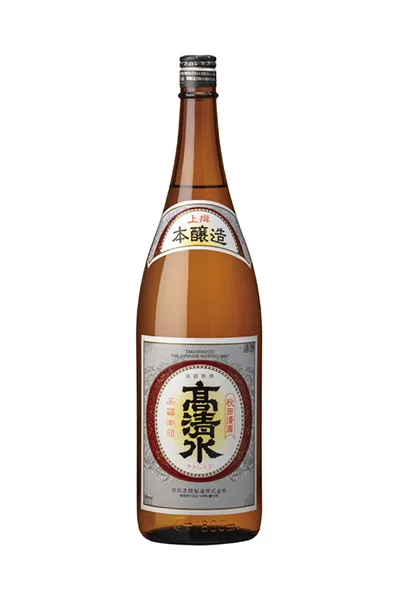
- Takashimizu Honjozo Josen高清水 本醸造 上撰
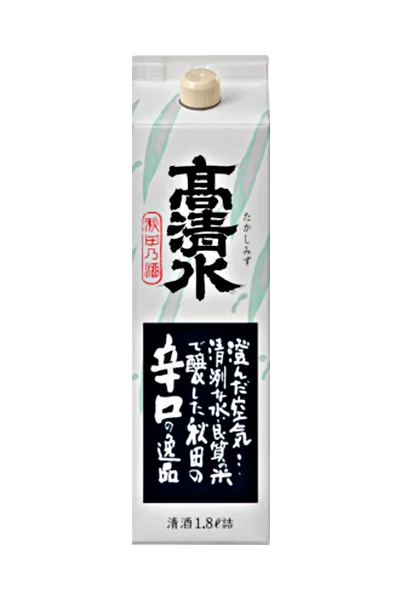
- Takashimizu Dry Pack高清水 辛口パック
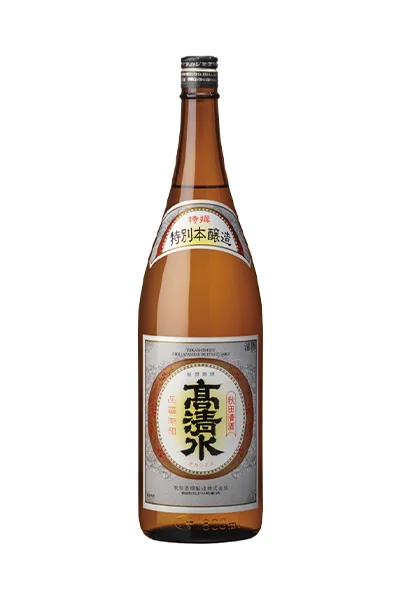
- Takashimizu Tokubetsu Honjozo Tokusen高清水 特別本醸造 特撰
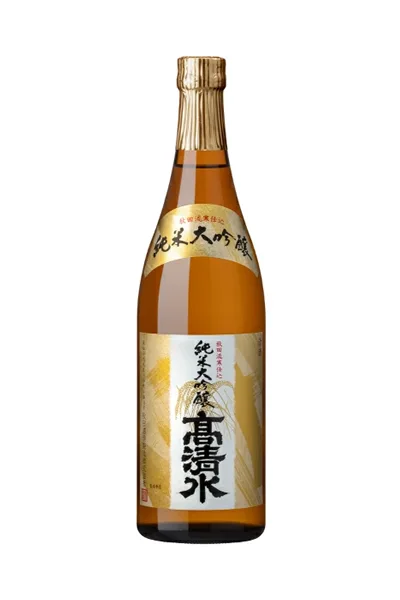
- Takashimizu Junmai Daiginjo高清水 純米大吟醸
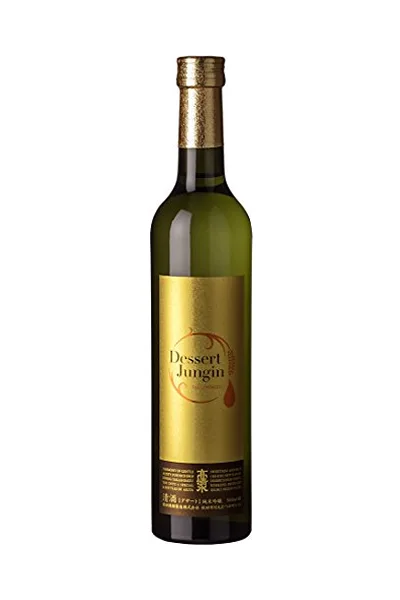
- Takashimizu Dessert Junmai Ginjo高清水 デザート純吟
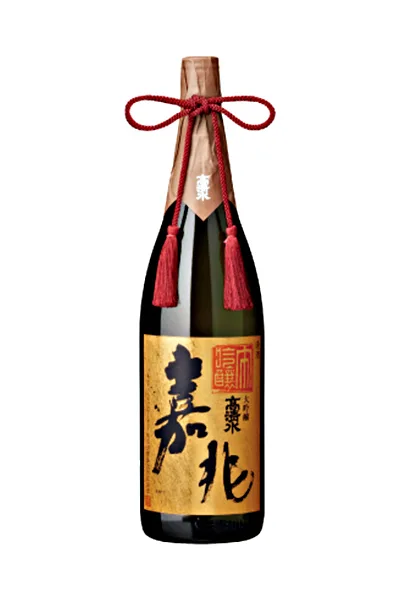
- Takashimizu Daiginjo Kacho高清水 大吟醸 嘉兆
- Takashimizu Daiginjo Shizuku-dori Zuicho高清水 大吟醸 しずく採り 瑞兆
- Takashimizu Daiginjo Wacho高清水 大吟醸 和兆
- Takashimizu Seisen Junmai sake高清水 精撰 純米酒
- Takashimizu Tokubetsu Junmai高清水 特別純米酒