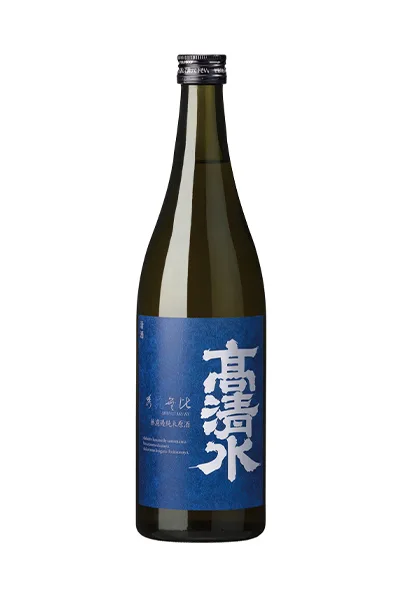
Takashimizu Muroka Junmai Genshu
高清水 無濾過 純米原酒Junmai, rice polished to 65%, unfiltered (muroka), undiluted (genshu)
Takashimizu — Akita Shurui Seizo, Akita
The Akita cold-brewing method and Kyokai No. 6 yeast, said to be the foundation of modern ginjo brewing.
Specifications
- Type
- Junmai Shu
- Rice
- Not disclosed
- Rice polishing ratio
- 65%35% of each grain polished away
- Yeast
- Not disclosed
- Alcohol
- 18.5%
- Sake meter value
- +2slightly dry
- Acidity
- 1.8
How to read these
- Type
- The grade printed on the label. It depends on the ingredients (rice only, or with a little distilled alcohol) and on how far the rice is polished. More
- Rice
- The rice variety. Most premium sake uses varieties grown for brewing, such as Yamada Nishiki. More
- Rice polishing ratio
- How much of each grain is left after polishing. A lower number means more was milled away, which usually gives a lighter, more aromatic sake. More
- Yeast
- The yeast strain, which shapes the aroma. More
- Alcohol
- Alcohol by volume. Most sake is 15–16%; undiluted (genshu) sake is often 17–18%. More
- Sake meter value
- A sweet-to-dry scale. Plus is drier, minus is sweeter. Acidity changes how it tastes, so treat it as a rough guide. More
- Acidity
- Total acid. Higher tends to taste fuller and drier; lower tastes lighter and sweeter. More
Flavor profile Rich & umami
Rich & umami — rice-driven umami and a fuller body. Known in Japan as jun-shu (醇酒).
The description of a rich, rough-textured character, together with genshu at 18.5% and a 65% polishing ratio, points to a full and dense body. A sake meter value of +2 and acidity of 1.8 suggest a medium-dry profile, while the aroma stays restrained and rice-led.
Estimated by AI from the published specifications and the brewery's description; your impression may differ.
About
Brewed at Kawamoto, the founding site where the No. 6 yeast has been passed down, this sake is left unfiltered and undiluted, preserving its rustic, unpolished character in its true form. It is a limited release intended first for customers in Akita prefecture. Because it is not adjusted, it offers a rich, full-bodied flavor with a rugged texture. Its character shifts with temperature and dilution, whether served at room temperature, on the rocks, or with water. Its real strength lies in its versatility at the table. It is not confined to Japanese cuisine, pairing well with a wide range of international dishes and working as a cocktail base.
Other sake from this brand 15
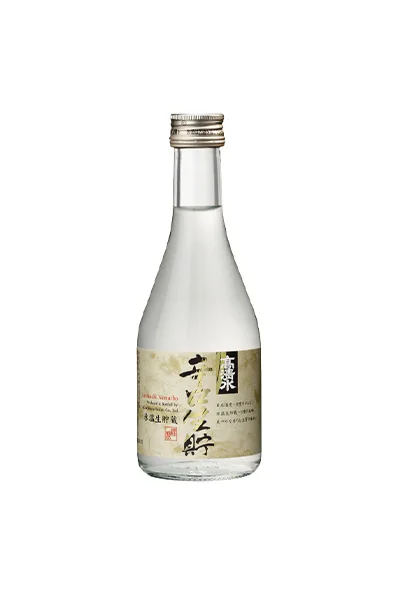
- Takashimizu Hyoon Namachozo Dry Namachozo高清水 氷温生貯蔵 辛口生貯
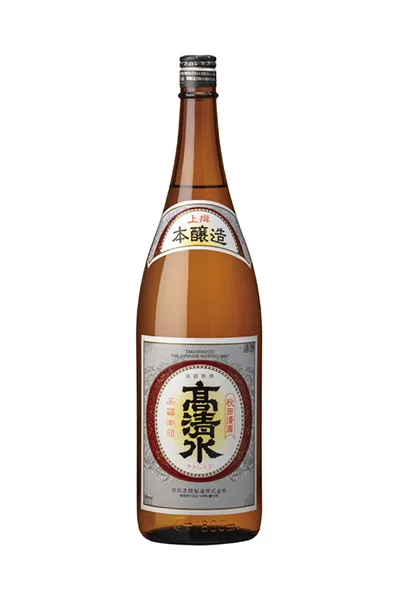
- Takashimizu Honjozo Josen高清水 本醸造 上撰
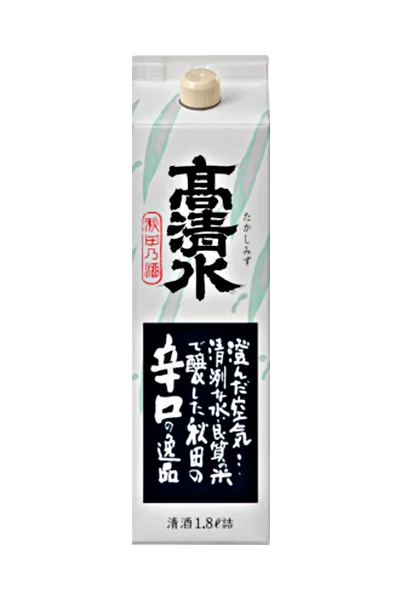
- Takashimizu Dry Pack高清水 辛口パック
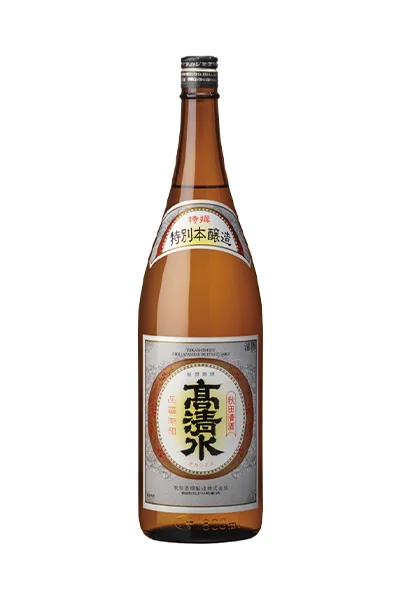
- Takashimizu Tokubetsu Honjozo Tokusen高清水 特別本醸造 特撰
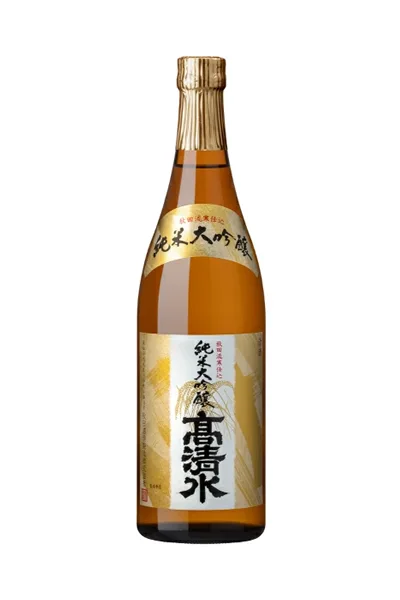
- Takashimizu Junmai Daiginjo高清水 純米大吟醸
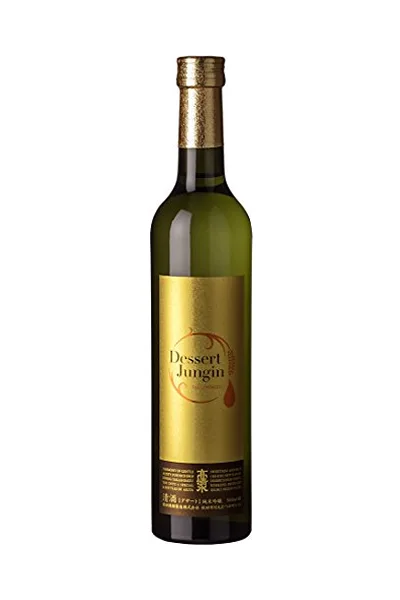
- Takashimizu Dessert Junmai Ginjo高清水 デザート純吟
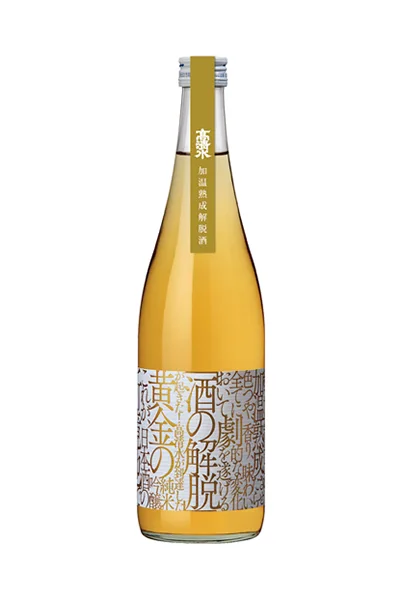
- Takashimizu Kanon Jukusei Gedatsu Shu高清水 加温熟成解脱酒
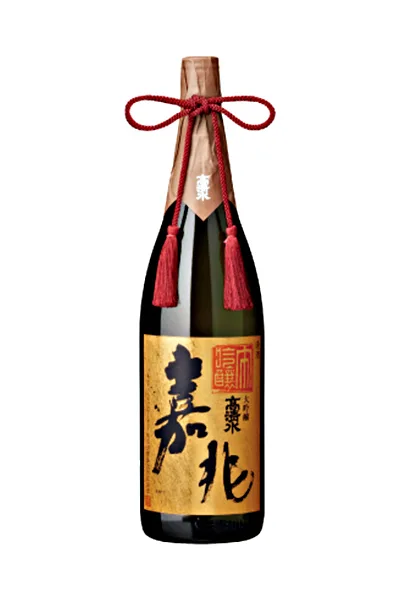
- Takashimizu Daiginjo Kacho高清水 大吟醸 嘉兆
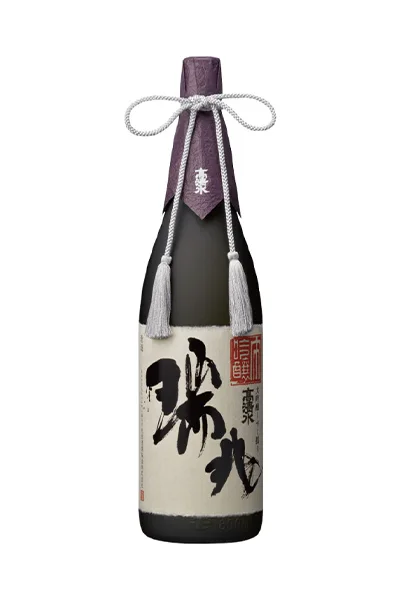
- Takashimizu Daiginjo Shizuku-dori Zuicho高清水 大吟醸 しずく採り 瑞兆
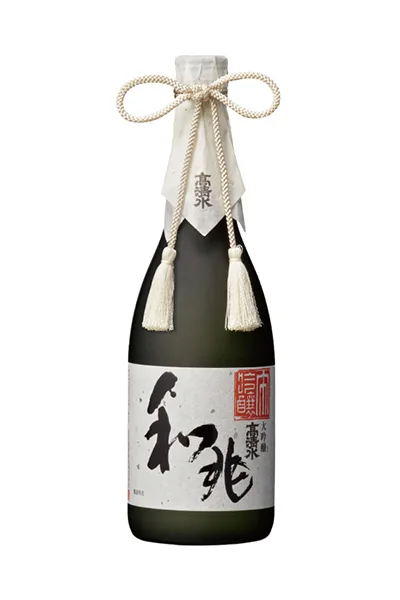
- Takashimizu Daiginjo Wacho高清水 大吟醸 和兆
- Takashimizu Seisen Junmai sake高清水 精撰 純米酒
- Takashimizu Tokubetsu Junmai高清水 特別純米酒