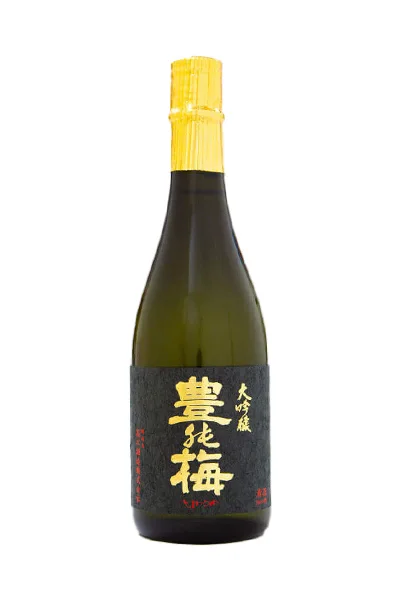
Toyo no Ume Daiginjo Genshu Uguisu Kotobuki
豊の梅 大吟醸原酒 鴬寿Daiginjo, rice polished to 40%, undiluted (genshu)
Toyo no Ume — Takagi Shuzo, Kochi
Elegant, fragrant aroma and a mellow, deep flavor. Enjoy it slightly chilled and savor it slowly.
Specifications
- Type
- Daiginjo
- Rice
- Not disclosed
- Rice polishing ratio
- 40%60% of each grain polished away
- Yeast
- Not disclosed
- Alcohol
- 17%
- Sake meter value
- +6very dry
- Acidity
- 1.4
How to read these
- Type
- The grade printed on the label. It depends on the ingredients (rice only, or with a little distilled alcohol) and on how far the rice is polished. More
- Rice
- The rice variety. Most premium sake uses varieties grown for brewing, such as Yamada Nishiki. More
- Rice polishing ratio
- How much of each grain is left after polishing. A lower number means more was milled away, which usually gives a lighter, more aromatic sake. More
- Yeast
- The yeast strain, which shapes the aroma. More
- Alcohol
- Alcohol by volume. Most sake is 15–16%; undiluted (genshu) sake is often 17–18%. More
- Sake meter value
- A sweet-to-dry scale. Plus is drier, minus is sweeter. Acidity changes how it tastes, so treat it as a rough guide. More
- Acidity
- Total acid. Higher tends to taste fuller and drier; lower tastes lighter and sweeter. More
Flavor profile Full & complex
Full & complex — aromatic and full-bodied, including aged sake. Known in Japan as juku-shu (熟酒).
Polished to 40% as a daiginjo, the sake shows the refined floral aroma described in the text. Its 17% genshu strength and low acidity of 1.4 give a mellow, layered body, while SMV +6 keeps sweetness modest.
Estimated by AI from the published specifications and the brewery's description; your impression may differ.
About
When people speak of Toyonome's daiginjo, this is generally the sake they mean. It is brewed as a daiginjo for entry in brewing competitions. Sake rice is polished to 40%, and the sake is fermented slowly at low temperature using Kochi yeast. It is bottled as genshu (undiluted sake) at the point where its balance is best, so that it grows richer with the seasons, and it is stored refrigerated.
Other sake from this brand 12
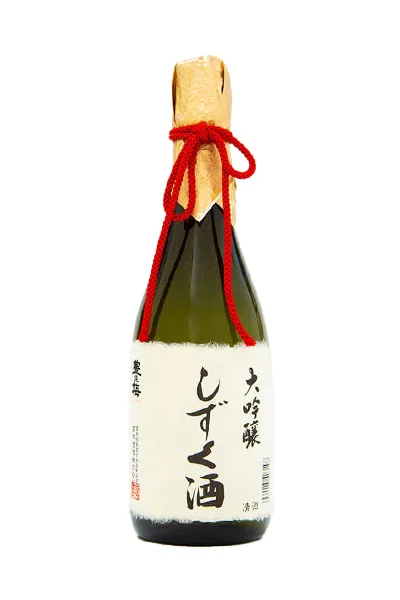
- Toyo no Ume Daiginjo Genshu Shizuku-zake豊の梅 大吟醸原酒 しずく酒
- Toyo no Ume Origarami Junmai Nama豊の梅 おりがらみ純米 生
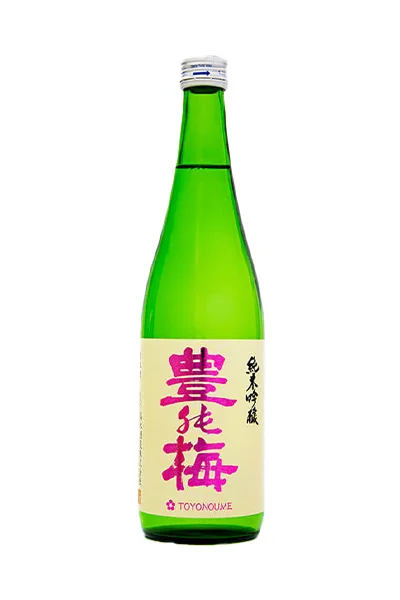
- Toyo no Ume Junmai Ginjo豊の梅 純米吟醸
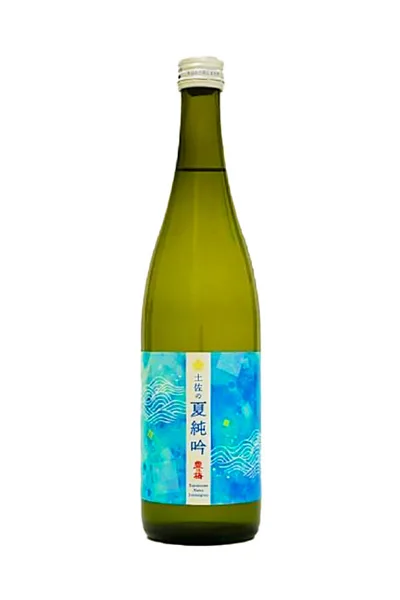
- Toyo no Ume Tosa no Natsu Jungin豊能梅 土佐の夏純吟
- Toyo no Ume Ginjo Ginou豊の梅 吟醸酒 吟鴬
- Toyo no Ume Rakuo豊の梅 楽鴬
- Toyo no Ume Shiboritate Junmai Nama Genshu豊の梅 しぼりたて 純米生原酒
- Toyo no Ume Junmai Ginjo Gin no Yume Shikomi豊の梅 純米吟醸 吟の夢仕込
- Toyo no Ume Daiginjo Genshu豊の梅 大吟醸原酒
- Toyo no Ume Honjozo豊の梅 本醸造
- Toyo no Ume Dry Junmai sake豊の梅 辛口純米酒
- Toyo no Ume Daiginjo Genshu Yairo豊の梅 大吟醸原酒 やいろ