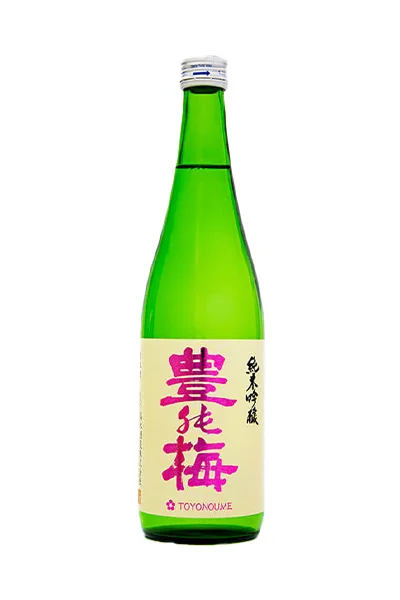
Toyo no Ume Junmai Ginjo
豊の梅 純米吟醸Junmai ginjo, rice polished to 50%
Toyo no Ume — Takagi Shuzo, Kochi
A notch above in food-friendly junmai ginjo Made to sit at the center of the dinner table
Specifications
- Type
- Junmai Ginjo
- Rice
- Not disclosed
- Rice polishing ratio
- 50%50% of each grain polished away
- Yeast
- Not disclosed
- Alcohol
- 16%
- Sake meter value
- +1medium
- Acidity
- 1.6
How to read these
- Type
- The grade printed on the label. It depends on the ingredients (rice only, or with a little distilled alcohol) and on how far the rice is polished. More
- Rice
- The rice variety. Most premium sake uses varieties grown for brewing, such as Yamada Nishiki. More
- Rice polishing ratio
- How much of each grain is left after polishing. A lower number means more was milled away, which usually gives a lighter, more aromatic sake. More
- Yeast
- The yeast strain, which shapes the aroma. More
- Alcohol
- Alcohol by volume. Most sake is 15–16%; undiluted (genshu) sake is often 17–18%. More
- Sake meter value
- A sweet-to-dry scale. Plus is drier, minus is sweeter. Acidity changes how it tastes, so treat it as a rough guide. More
- Acidity
- Total acid. Higher tends to taste fuller and drier; lower tastes lighter and sweeter. More
Flavor profile Aromatic & light
Aromatic & light — fruity, floral aroma with a light body. Known in Japan as kun-shu (薫酒).
The 50% polishing, junmai ginjo brewing, SMV +1 and acidity 1.6 together point to a gently aromatic nose, restrained rice umami and a balanced, moderately dry, medium-light profile.
Estimated by AI from the published specifications and the brewery's description; your impression may differ.
About
Matsuyama Mii (まつやまみい), a rice from Ehime that is not a sake rice but is easy to make koji with and suited to low-temperature ginjo brewing, is polished to 50% and brewed with Kochi yeast AC95 to make this junmai ginjo sake. Conceived as a food sake that enriches the dinner table, it aims for a junmai ginjo that pairs well with meals and stays enjoyable glass after glass. Its aroma combines a lively opening (uwadachi) with a balanced sense of body, and it expresses the umami of rice without heaviness. When there is a special dish to look forward to, or when you want to unwind after a casual day, this sake will be a fine supporting player at the table.
Other sake from this brand 12
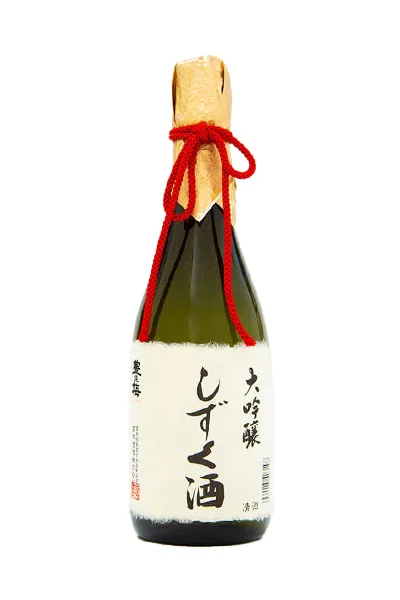
- Toyo no Ume Daiginjo Genshu Shizuku-zake豊の梅 大吟醸原酒 しずく酒
- Toyo no Ume Origarami Junmai Nama豊の梅 おりがらみ純米 生
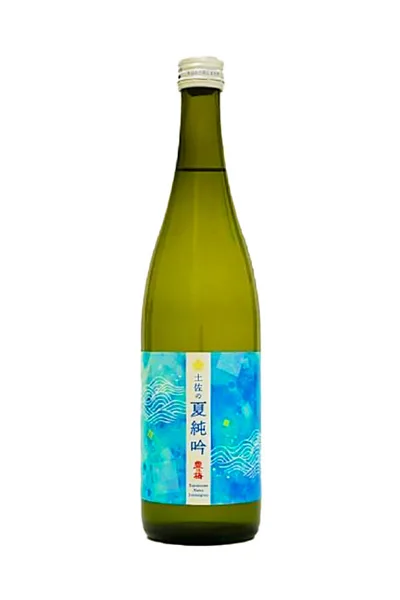
- Toyo no Ume Tosa no Natsu Jungin豊能梅 土佐の夏純吟
- Toyo no Ume Daiginjo Genshu Uguisu Kotobuki豊の梅 大吟醸原酒 鴬寿
- Toyo no Ume Ginjo Ginou豊の梅 吟醸酒 吟鴬
- Toyo no Ume Rakuo豊の梅 楽鴬
- Toyo no Ume Shiboritate Junmai Nama Genshu豊の梅 しぼりたて 純米生原酒
- Toyo no Ume Junmai Ginjo Gin no Yume Shikomi豊の梅 純米吟醸 吟の夢仕込
- Toyo no Ume Daiginjo Genshu豊の梅 大吟醸原酒
- Toyo no Ume Honjozo豊の梅 本醸造
- Toyo no Ume Dry Junmai sake豊の梅 辛口純米酒
- Toyo no Ume Daiginjo Genshu Yairo豊の梅 大吟醸原酒 やいろ