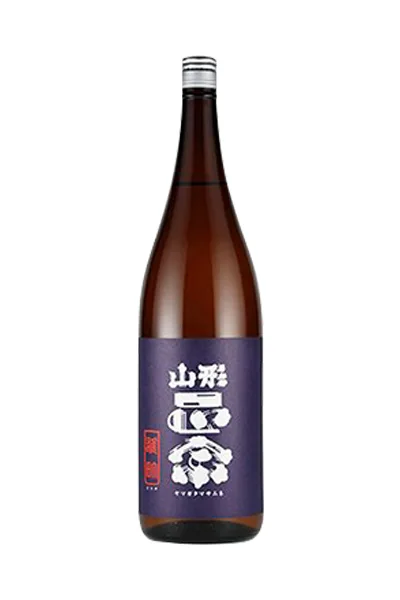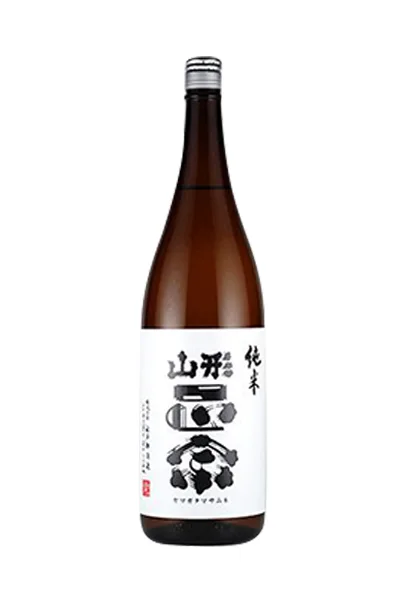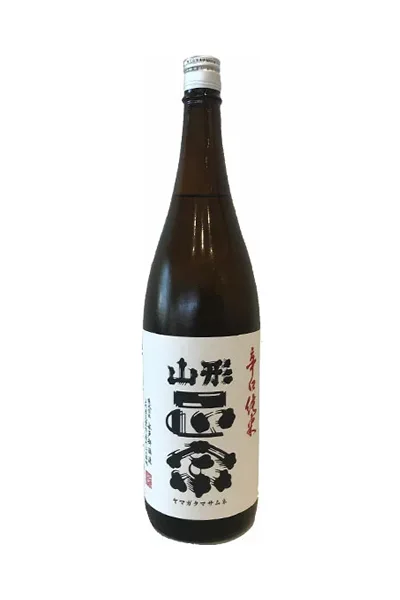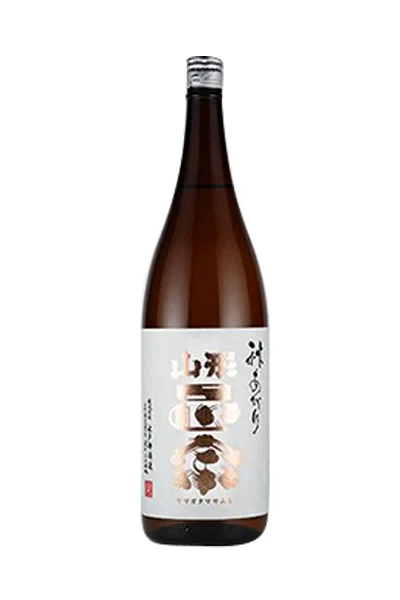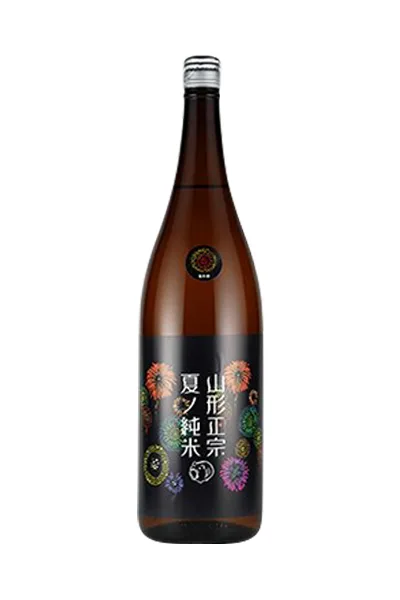
Yamagata Masamune Natsu no Junmai
山形正宗 夏ノ純米Junmai, rice polished to 60%, summer release
Yamagata Masamune — Mitobe Shuzo, Yamagata
A summer-only release known for its fireworks label.
Specifications
- Type
- Junmai Shu
- Rice
- Not disclosed
- Rice polishing ratio
- 60%40% of each grain polished away
- Yeast
- Not disclosed
- Alcohol
- 16%
- Sake meter value
- +3slightly dry
- Acidity
- 1.4
How to read these
- Type
- The grade printed on the label. It depends on the ingredients (rice only, or with a little distilled alcohol) and on how far the rice is polished. More
- Rice
- The rice variety. Most premium sake uses varieties grown for brewing, such as Yamada Nishiki. More
- Rice polishing ratio
- How much of each grain is left after polishing. A lower number means more was milled away, which usually gives a lighter, more aromatic sake. More
- Yeast
- The yeast strain, which shapes the aroma. More
- Alcohol
- Alcohol by volume. Most sake is 15–16%; undiluted (genshu) sake is often 17–18%. More
- Sake meter value
- A sweet-to-dry scale. Plus is drier, minus is sweeter. Acidity changes how it tastes, so treat it as a rough guide. More
- Acidity
- Total acid. Higher tends to taste fuller and drier; lower tastes lighter and sweeter. More
Flavor profile Rich & umami
Rich & umami — rice-driven umami and a fuller body. Known in Japan as jun-shu (醇酒).
The 60% polishing junmai has restrained aroma, and the brewery text stresses a solid, umami-rich profile. Acidity 1.4 and SMV +3 point to a full but moderately dry, mildly sweet impression, placing it in the jun quadrant.
Estimated by AI from the published specifications and the brewery's description; your impression may differ.
About
Even if you do not know Yamagata Masamune, you may have seen this label at an izakaya (Japanese pub). The choice of rice went through several twists and turns, but in the end we settled on Yamada Nishiki. With Gohyakumangoku, I felt the flavor came across as slightly too refined. Although this is a summer sake, we did not pursue refreshing crispness alone. We wanted to express a solid, substantial flavor. For that reason, we recommend enjoying it in a cool room with good food. In addition, the tanks shipped in early summer and those shipped in midsummer differ in flavor and alcohol content. Early-summer tanks have a fuller body with more umami. Midsummer tanks have a slightly lower alcohol content and are finished as a crisp, dry sake.
Other sake from this brand 14
- Yamagata Masamune Junmai Ginjo Omachi山形正宗 純米吟醸 雄町
- Yamagata Masamune Junmai山形正宗 純米
- Yamagata Masamune Dry Junmai山形正宗 辛口純米
- Yamagata Masamune Junmai Ginjo Akiagari山形正宗 純米吟醸 秋あがり
- Yamagata Masamune Junmai Ginjo Inazo山形正宗 純米吟醸 稲造
- Yamagata Masamune Junmai Ginjo Sake Mirai山形正宗 純米吟醸 酒未来
- Yamagata Masamune Josen山形正宗 上撰
- Yamagata Masamune Himuro Kanjukushu山形正宗 氷室完熟酒
- Yamagata Masamune Junmai Ginjo Shiboritate山形正宗 純米吟醸 しぼりたて
- Yamagata Masamune Seisen山形正宗 精撰
- Yamagata Masamune Dry Honjozo Ote山形正宗 辛口本醸造 王手
- Yamagata Masamune Junmai Ginjo Akaiwa Omachi山形正宗 純米吟醸 赤磐雄町