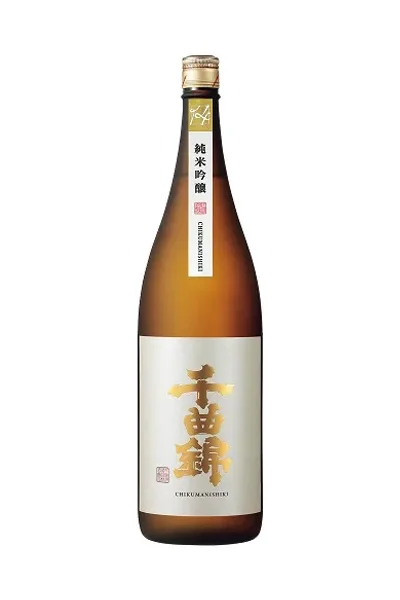
Chikumanishiki Junmai Ginjo
千曲錦 純米吟醸Junmai ginjo, Miyama Nishiki rice polished to 55%
Chikumanishiki — Chikumanishiki Shuzo, Nagano
Highly polished Miyama Nishiki rice, slowly fermented at low temperature on the 700-meter Saku Kogen highlands of Shinshu.
Specifications
- Type
- Junmai Ginjo
- Rice
- Miyama Nishiki
- Rice polishing ratio
- 55%45% of each grain polished away
- Yeast
- Not disclosed
- Alcohol
- 15.3%
- Sake meter value
- -3–+2medium
- Acidity
- 1.2
How to read these
- Type
- The grade printed on the label. It depends on the ingredients (rice only, or with a little distilled alcohol) and on how far the rice is polished. More
- Rice
- The rice variety. Most premium sake uses varieties grown for brewing, such as Yamada Nishiki. More
- Rice polishing ratio
- How much of each grain is left after polishing. A lower number means more was milled away, which usually gives a lighter, more aromatic sake. More
- Yeast
- The yeast strain, which shapes the aroma. More
- Alcohol
- Alcohol by volume. Most sake is 15–16%; undiluted (genshu) sake is often 17–18%. More
- Sake meter value
- A sweet-to-dry scale. Plus is drier, minus is sweeter. Acidity changes how it tastes, so treat it as a rough guide. More
- Acidity
- Total acid. Higher tends to taste fuller and drier; lower tastes lighter and sweeter. More
Flavor profile Aromatic & light
Aromatic & light — fruity, floral aroma with a light body. Known in Japan as kun-shu (薫酒).
Low-temperature long fermentation and 55% polishing of Miyamanishiki suggest a gentle ginjo aroma. SMV -3 to 2 and acidity 1.2 point to a soft, slightly sweet, light-to-medium body.
Estimated by AI from the published specifications and the brewery's description; your impression may differ.
About
Junmai Ginjo Chikumanishiki (1.8L) has received a Gold Award for 12 consecutive years at Mondo Selection 2020. After pasteurization, the sake was carefully aged in a low-temperature storage room. The brewing water comes from a spring flowing from the Mount Asama range. Taneda Santoka, the haiku poet known for his skill in water tasting, wrote the verse "Kaze kaoru / Shinano no kuni no / mizu no yoroshisa" (The wind carries fragrance; how fine the water of the land of Shinano is) about this water.
Other sake from this brand 18
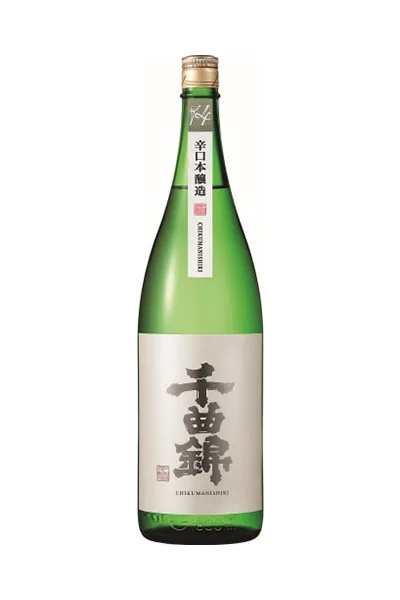
- Chikumanishiki Josen Karakuchi Honjozo千曲錦 上撰 辛口 本醸造
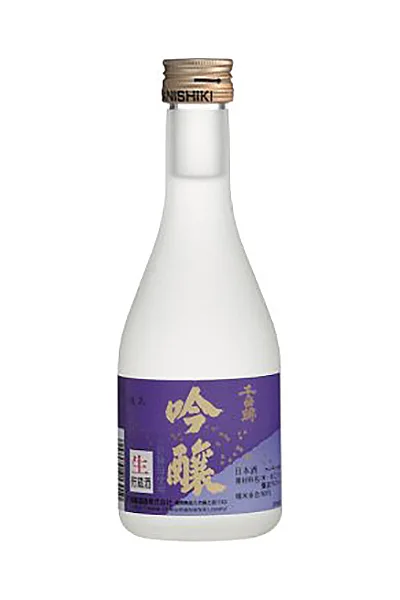
- Chikumanishiki Ginjo Namachozo千曲錦 吟醸 生貯蔵酒
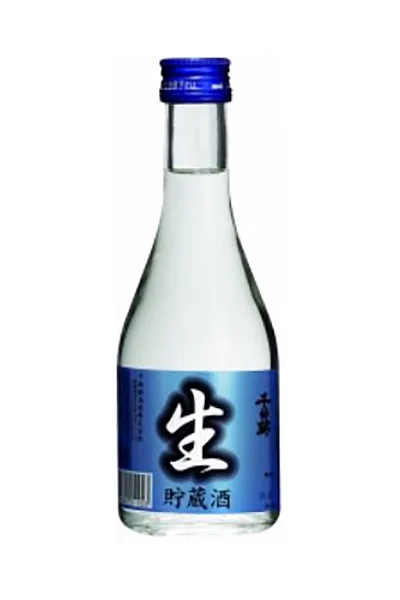
- Chikumanishiki Namachozo千曲錦 生貯蔵酒
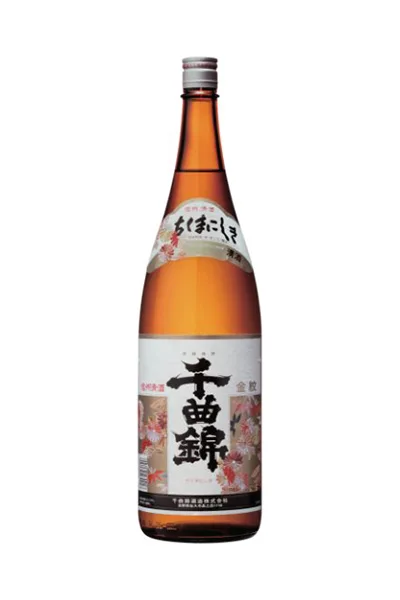
- Chikumanishiki Kinmon千曲錦 金紋
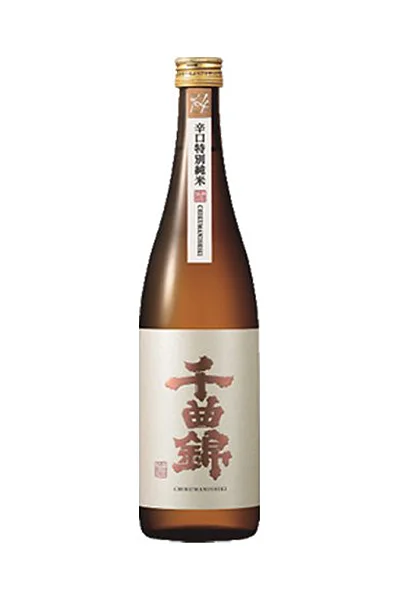
- Chikumanishiki Dry Tokubetsu Junmai千曲錦 辛口 特別純米酒
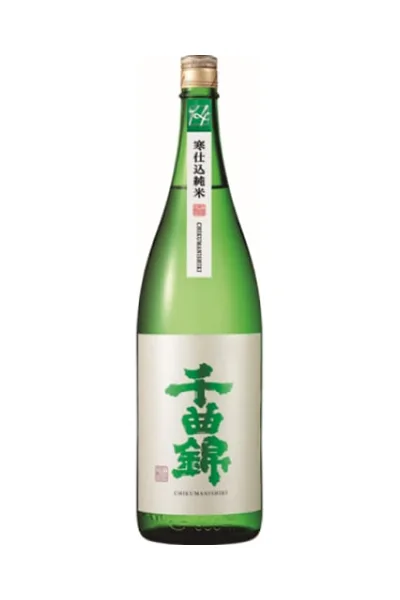
- Chikumanishiki Kan Shikomi Junmai千曲錦 寒仕込 純米
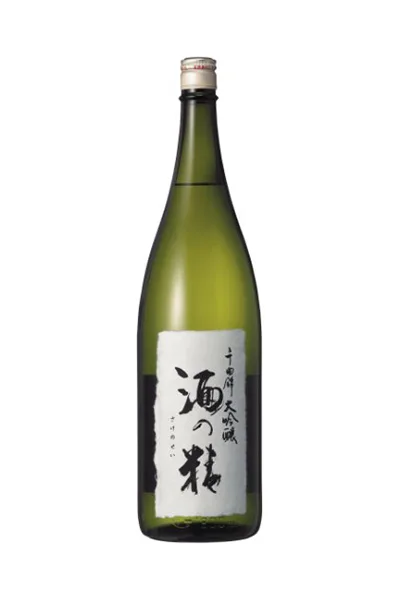
- Chikumanishiki Daiginjo Sake no Sei千曲錦 大吟醸 酒の精
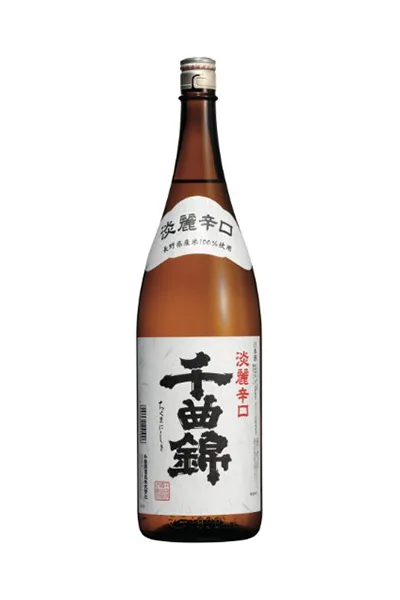
- Chikumanishiki Tanrei Karakuchi千曲錦 淡麗辛口
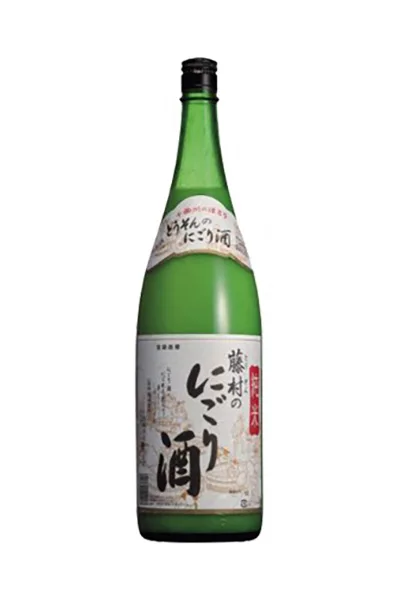
- Chikumanishiki Junmai Fujimura no Nigorizake千曲錦 純米 藤村のにごり酒
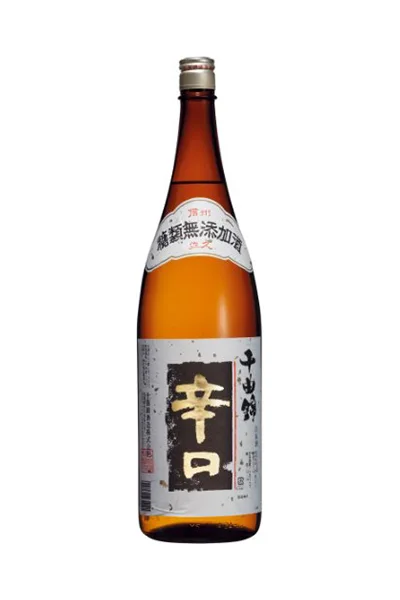
- Chikumanishiki Dry千曲錦 辛口
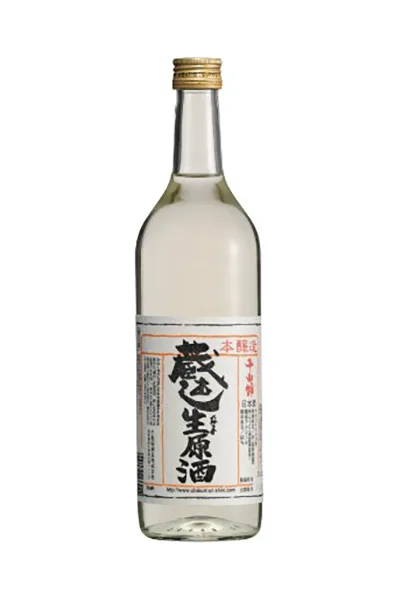
- Chikumanishiki Honjozo Kuradashi Nama Genshu千曲錦 本醸造 蔵出し生原酒
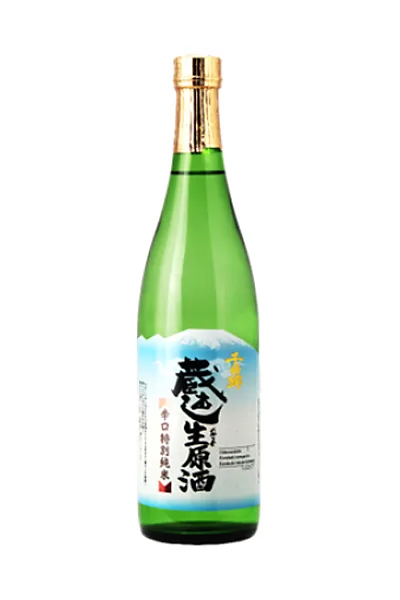
- Chikumanishiki Dry Tokubetsu Junmai Kuradashi Nama Genshu千曲錦 辛口特別純米 蔵出し生原酒